


You’ve Been Saying These Maltese Town Names Your Whole Life – But Do You Know What They Actually Mean?
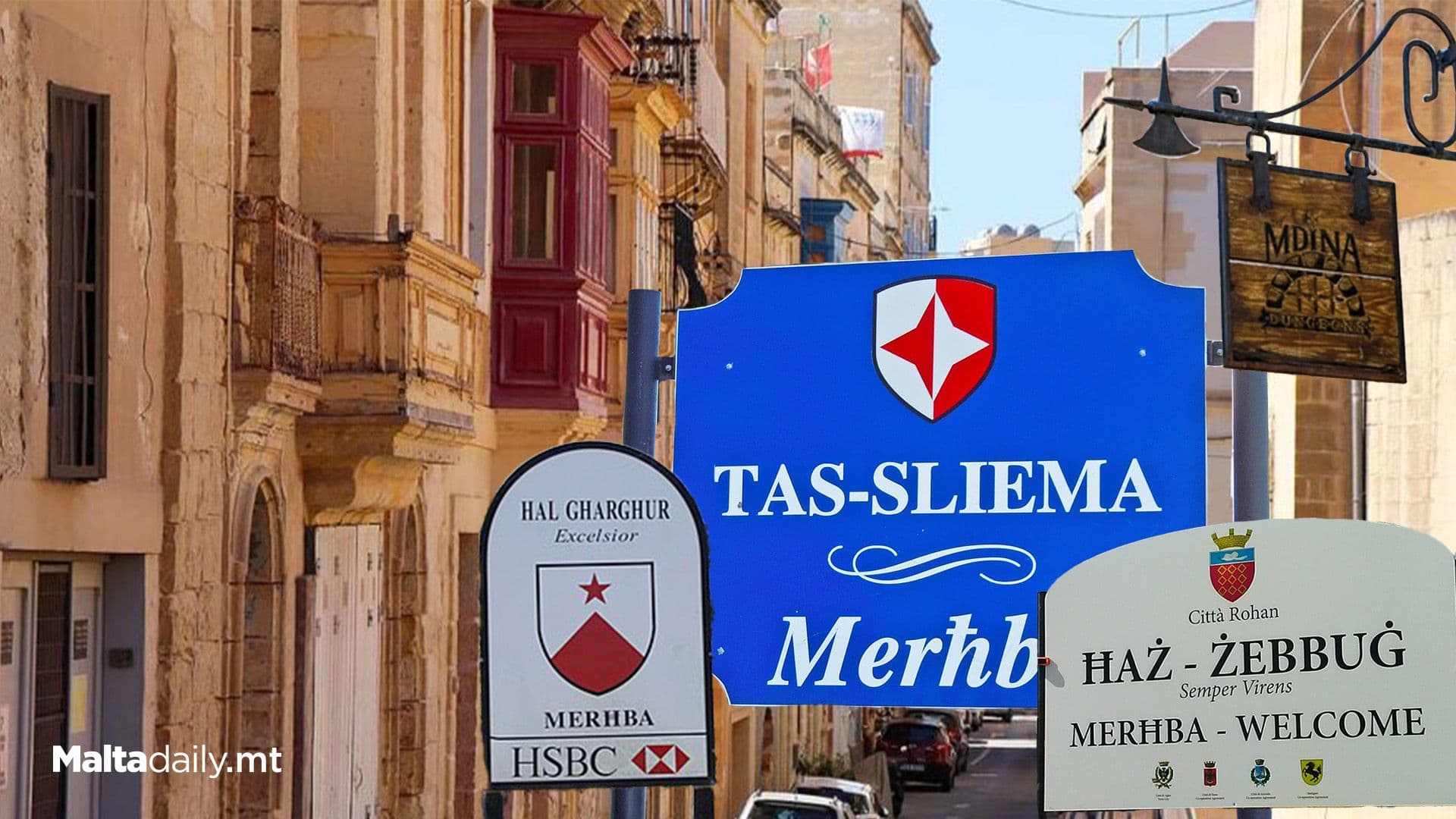
Many of Malta’s towns and villages have names we use every day, but few people stop to think about what those names truly mean. Their origins often go back hundreds or even thousands of years. These names tell fascinating stories about the island’s history, geography and culture.
Sliema
The name Sliema comes from the Maltese word sliem, which means peace. This popular coastal town, now known for shopping and cafés, was once a quiet fishing village. Its name likely reflects the calm surroundings it once offered by the sea.
Birkirkara
Birkirkara, Malta’s largest town, has a name made up of three parts: bir (meaning well), kir (thought to mean lord) and kara (meaning cold). Together, the name is believed to mean “The Lord’s Cold Well”, possibly referring to a natural water source once found there.
Mdina
The name Mdina comes from the Arabic word medina, meaning city. During the Arab period in Malta, between the 9th and 11th centuries, Mdina was the capital. Its name reflects its role as the main fortified city of the time.
Għargħur
The name Għargħur is believed to come from a word connected to birdsong or chirping. This peaceful hilltop village is still known today for its natural beauty and quiet surroundings, making the name especially appropriate.
Żebbuġ
Żebbuġ gets its name from żebbuġa, the Maltese word for olives. The area was once full of olive trees, and the name shows how important olive farming was to the local community in earlier times.
Għajn Tuffieħa
Għajn Tuffieħa means “Spring of the Apple”, but it may not refer to eating apples. In older Maltese, tuffieħa could also mean medicinal plants. The name might describe a spring once known for its healing waters.
#MaltaDaily