


The Gozitan Tradition of Family Coats of Arms
Heraldry is the art of designing and displaying coats of arms, and it first appeared in Europe in the 12th century as a way to identify warriors on the battlefield.
Malta’s own story with heraldry began in 1287, when the Santa Sofia family were given the title “Baron of Fiddien”. From then on, coats of arms became tied to noble families, sometimes earned through service or sometimes, simply bought.
In Malta, the tradition really took off during the time of the Knights of St John, when most titles and their colourful heraldic shields were formally recognised.
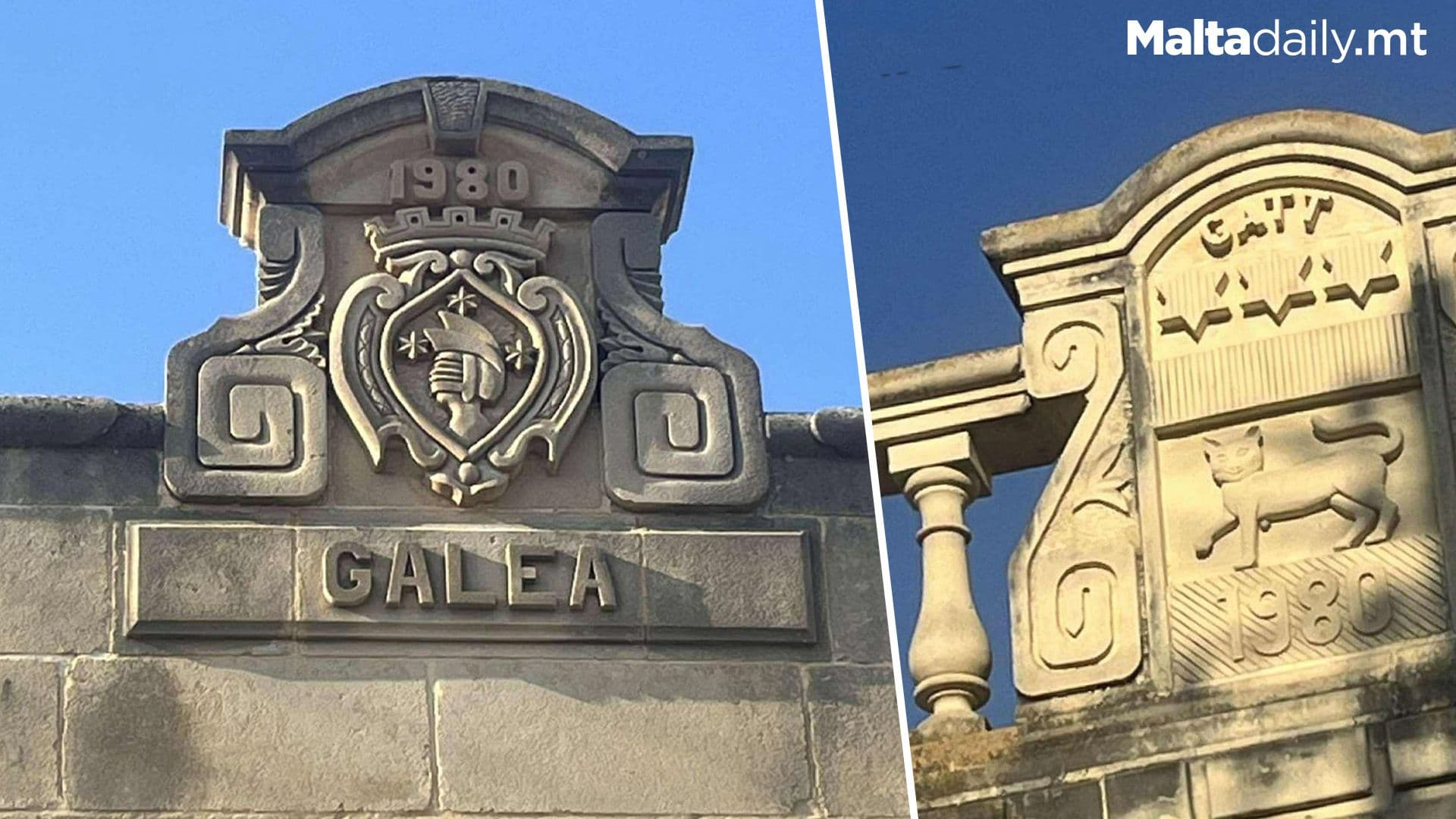
These symbols didn’t stay hidden in books or documents; they were proudly carved into stone and placed on houses, churches, and palaces.
In Gozo, families like Asciaq, Attardo, Bonnici and Navarra made their arms part of the very walls of their homes, turning architecture into a celebration of lineage.
And there’s often a playful twist! In Għarb, the Apap family used bees on their shieldsince “ape” means bee in Italian. The Testaferrata Olivier family unsurprisingly went with an olive tree, the De Piro arms show a pear tree, while Gatt naturally feature a cat.
Today, heraldry in Malta is officially safeguarded by the Office of the Chief Herald, set up in 2019. But in Gozo, all you need to do is look up while walking through the villages as Gozitan families ensure to carry on this tradition to this day.
The coats of arms are still there, quietly telling the stories of different families and identities.
#MaltaDaily
Photo Credit: DOI