

Right To Smile & iHelp Africa Lead Mental Health & Medical Project In Ghana
This is an Official Development Assistance Project, being financed by the Office of the Deputy Prime Minister and Ministry for Foreign Affairs and Tourism
Right to Smile Foundation, a local NGO, is collaborating with iHelp Africa which is an organisation based in Ghana.
Together they are carrying out a project related to mental health and medical outreach in the region of Kpando, Ghana.
The project started in January, and will come to an end in November. This project is aligning with the Sustainable Development Goals (SDGs) outlined in the United Nations 2030 Agenda, in particular SDG 3 (Good Health and Well-being) and SDG 5 (Gender Equality) by:
● Healthcare Provision: Delivering mental health, menstrual health, and medical treatments to underserved communities, particularly in regions with limited access to healthcare.
● Capacity Building: Training local healthcare providers and community volunteers to sustainably manage mental and menstrual health and medical initiatives, ensuring long-term impact.
● Gender Equality: Empowering women and girls with health education, access to services, and leadership opportunities within project activities.
● Partnership and Sustainability: Collaborating with the Ghana Health Service, Ghana Education Service, and local organisations for sustainable implementation.
● Collaborative Approach: Uniting educational, medical, and correctional institutions through our partnership with IHelp Africa to foster a collective impact.
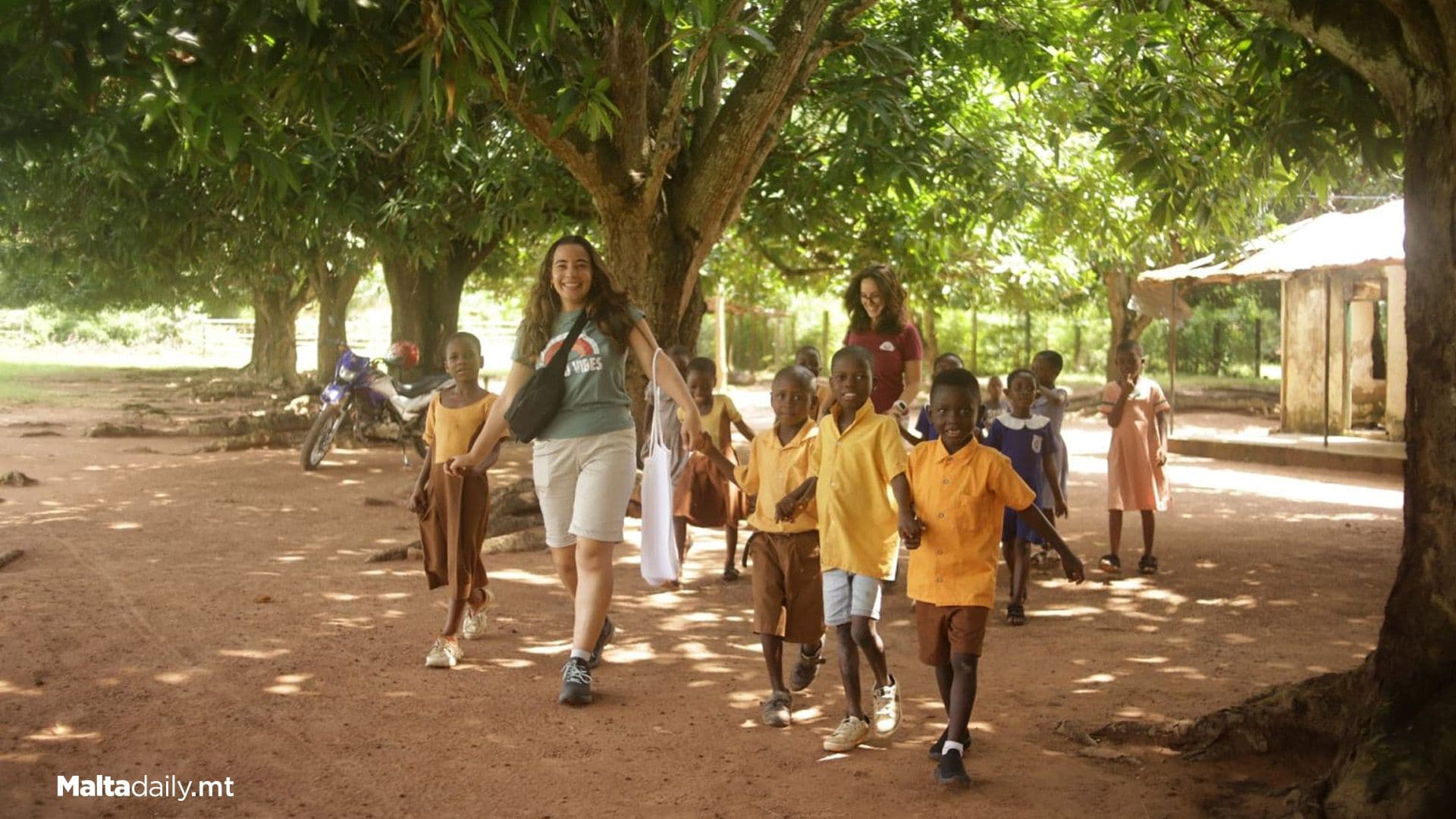
During the month of July, five volunteers from Malta visited the project and carried out tasks related to the above mentioned project. Julia Pace, one of the volunteers who spent six weeks on the project, shared her experience, thoughts and lessons learned:
Work Carried Out
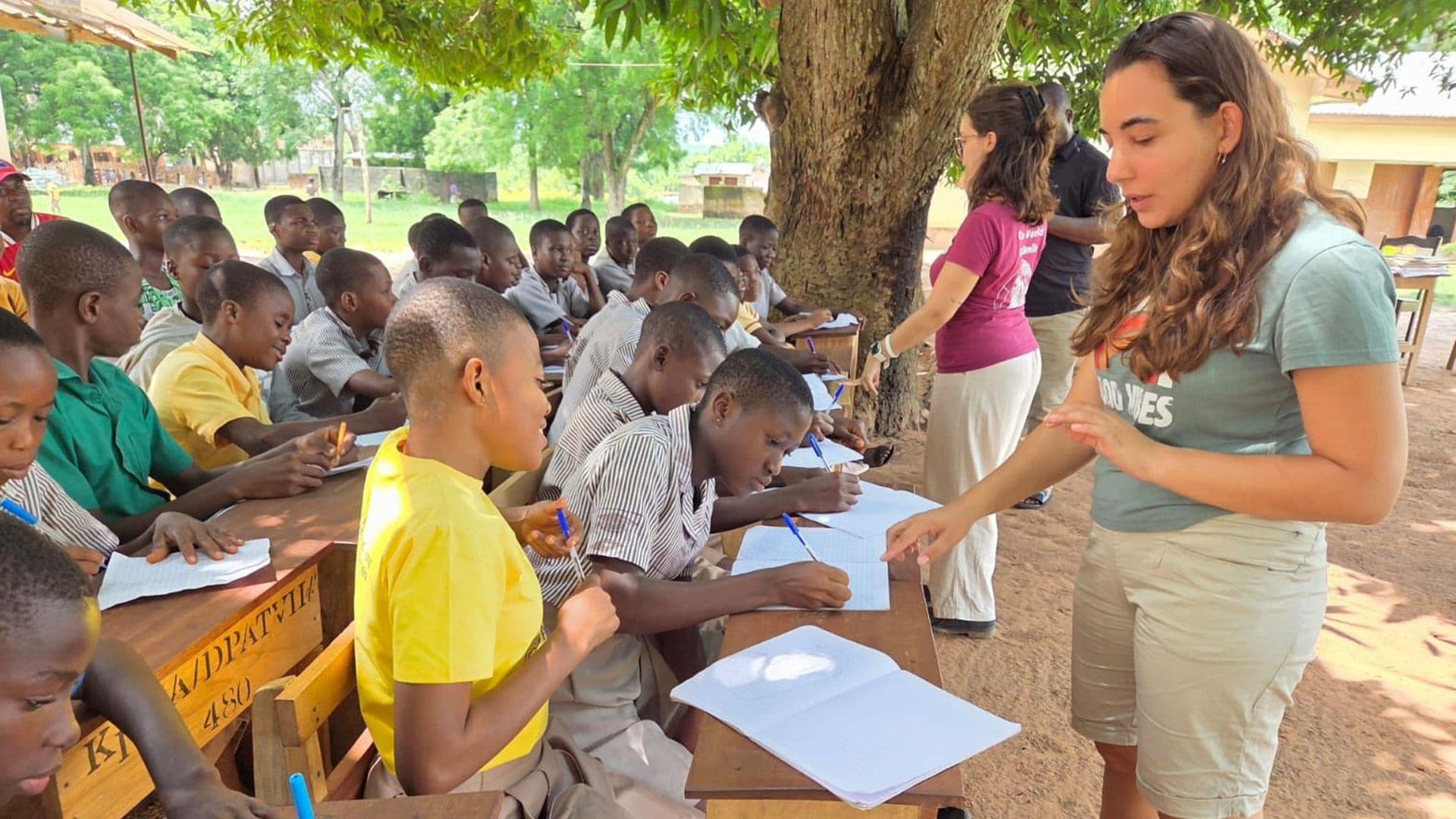
During my voluntary placement in Ghana, I was involved in coordinating the team of Maltese volunteers and in the planning and preparing for the mental health education sessions. The main topics tackled were emotions, the definition of mental health, stress, self-esteem and substance abuse. We prepared documents, charts and images. We adapted all the content for junior high schools, senior schools, the prison and communities respectively to be able to cater to their needs. Upon more specific understanding of the culture and their current state of mental health awareness, I could relate the content to the audience better and we kept ensuring that it is age appropriate and culturally respectful.
From participating in the reusable pad training and tie and dye training sessions, I could better recognise the importance they give to local work and to sustainability. These training sessions were held alongside the other Maltese volunteers of the medical team which I had the pleasure to work with.
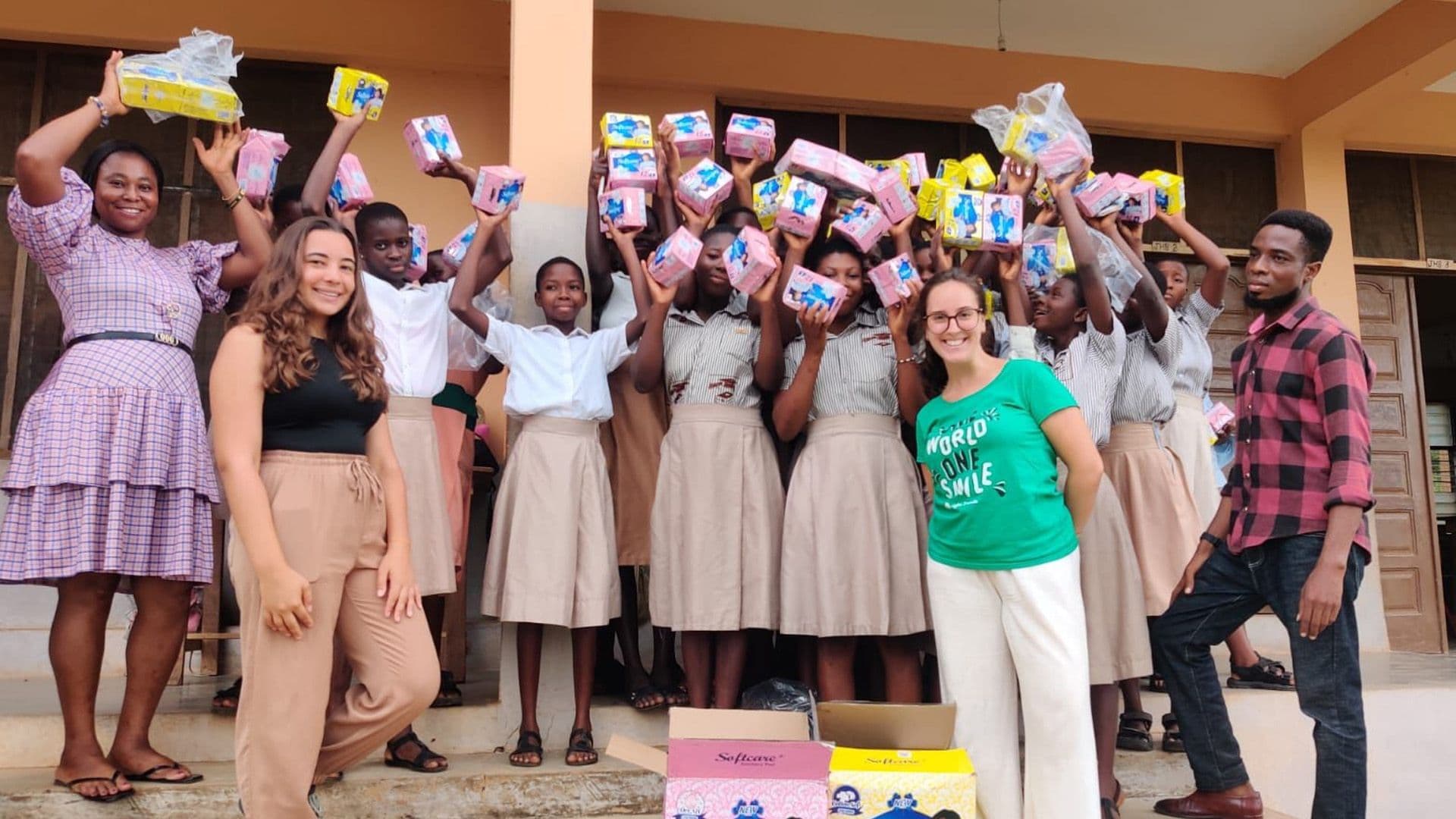
Their focus was menstrual hygiene and sexual health education. I got to learn from them and follow their sessions and even hear about their experience from the hospital placement. I even got to participate in sanitary pad distribution to young local girls in 2 separate schools. I also met the staff of the special needs school to donate some handmade crocheted toys from Malta.
They are the only school in Kpando that caters to many learning needs and even physical impairments for all ages so the toys will be used even for sensory play and roleplay games. Going abroad as a group composed of individuals from different backgrounds and professional paths is not always easy. However, we worked very well as a team. We encouraged each other through challenges and low moments, collaborated on key decisions, went out evenings and weekends, and supported each other throughout the journey.
Connections Made
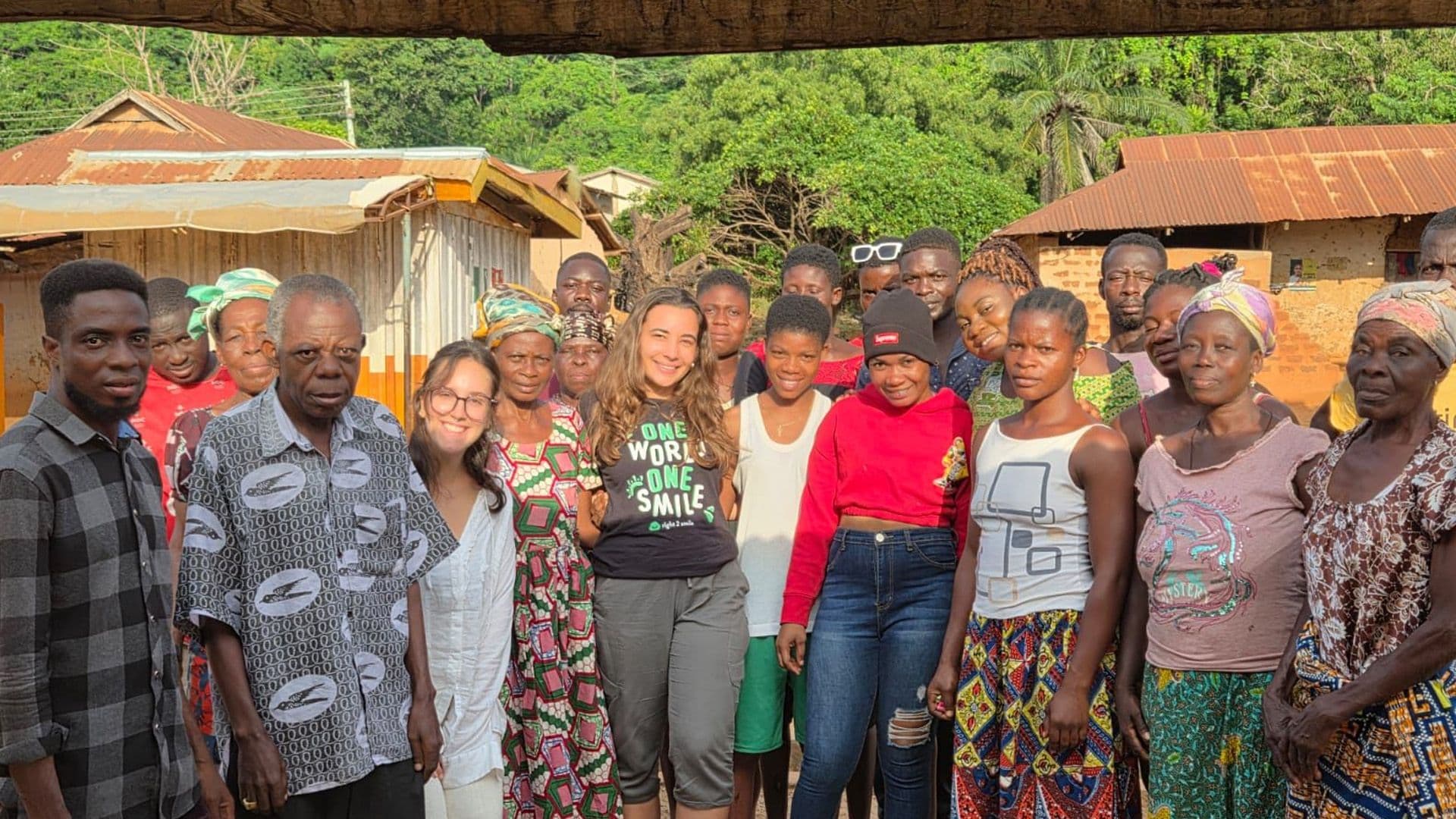
I believe that I have managed to make a lot of meaningful connections with the locals I have encountered, even if we did not have a lot of contact time. Apart from the professional partnerships and connections we made with schools and other local institutions, living with a big local family with many visits/encounters from relatives and friends was an immersive and enriching experience of a normal way of life here.
From their daily habits to the food they cook and how they eat all together, it gave me the rare chance to witness and be part of authentic community life. Over the course of six weeks, I established very caring and loving relationships with the family members who took me in with great hospitality and always ensured my needs were met. These moments made me feel a sense of home when I was so far away from my own for so long.
Valuable Lessons
Something valuable I learnt here is a newfound appreciation for community life, of hanging outdoors together, visiting and supporting friends at work, and eating a home cooked meal all together in the evening. These are aspects that have been declining in Malta so I appreciated more and more a slow, humble and patriotic way of living.
Additionally, I learned the importance of listening before acting, especially when working in unfamiliar environments. We had to come here with an open heart and open mind, rather than expectations.
The education system is very different from ours and what may be seen as the students lacking basic education fails to consider how talented and skilled these children are in manual labour, house chores and basic life skills such as sewing, washing and cooking.
Making the generalisation and assumption that countries in Africa are underdeveloped and cannot achieve standards can have many negative and harmful repercussions. Cultural humility and openness were essential to building trust along the way and ensuring that the work we did was not only meaningful to us as volunteers but also truly useful for any participant.
This is an Official Development Assistance Project, being financed by the Office of the Deputy Prime Minister and Ministry for Foreign Affairs and Tourism
#MaltaDaily