


Fun Facts You Might Not Know About Santa Venera
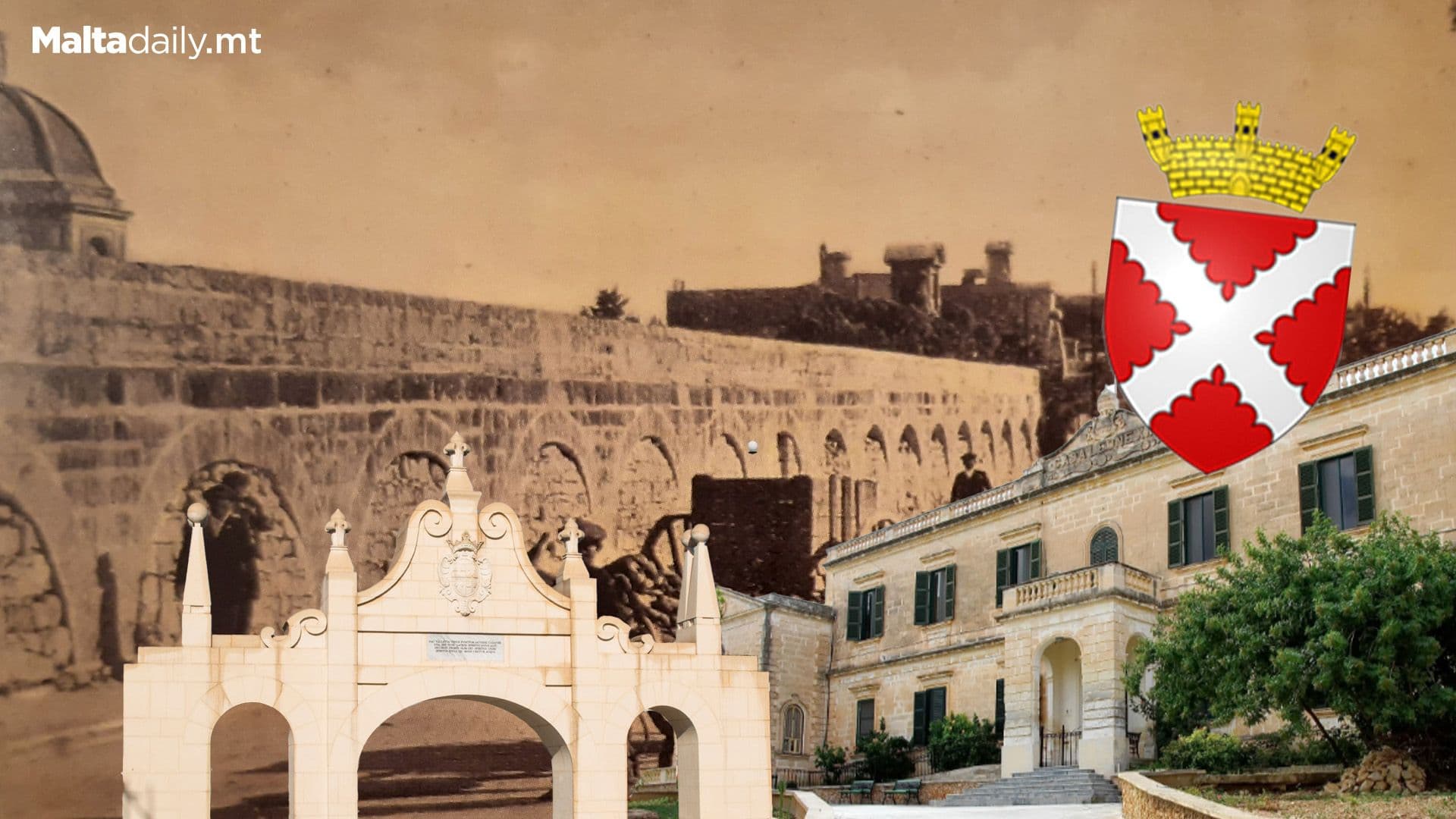
Santa Venera is a small town in central Malta, covering less than one square kilometre, yet it is home to around 8,800 residents. Despite its size, it has a rich history and several notable landmarks.
The Wignacourt Aqueduct and Arch
One of Santa Venera’s most significant features is the Wignacourt Aqueduct, constructed between 1610 and 1615 to carry fresh water from Dingli and Rabat to Valletta. The aqueduct once passed directly through the town. Part of it included the Wignacourt Arch, first completed in 1615. Although it was destroyed during the Second World War, a replica was built and inaugurated in 2016, restoring a key piece of Malta’s heritage.
Casa Leoni
Another important landmark is Casa Leoni, also known as the “House of the Lions,” named after the lion statues on its roof. Built in 1730 as a summer residence for Grand Master António Manoel de Vilhena, it has served various purposes over the years, including as a school and museum. Today, it houses the Ministry for Transport, Infrastructure and Capital Projects.
The Old Parish Church
The Old Church of Santa Venera was rebuilt between 1658 and 1688 and served as the parish church until 1989, when a new church was built. During restoration work in 2017, wall paintings in the Baroque and Rococo styles were uncovered, adding to its artistic and historical value.
Cultural Identity
Santa Venera honours its patron saint, St Venera, with two annual feasts: one on the last Sunday of July and another on 14 November. These events remain an important part of the town’s cultural and religious identity.
Local Sport
The town is also represented in football by the St Venera Lightnings, who play in Malta’s amateur divisions. The club is easily recognised by its bright yellow and blue colours and serves as a source of local pride.
#MaltaDaily