


“Fl-ewwel nofs tal-2025, l-ekonomija Maltija bl-ikbar tkabbir fl-Unjoni Ewropea minkejja l-isfidi internazzjonali”, Finance Minister Clyde Caruana
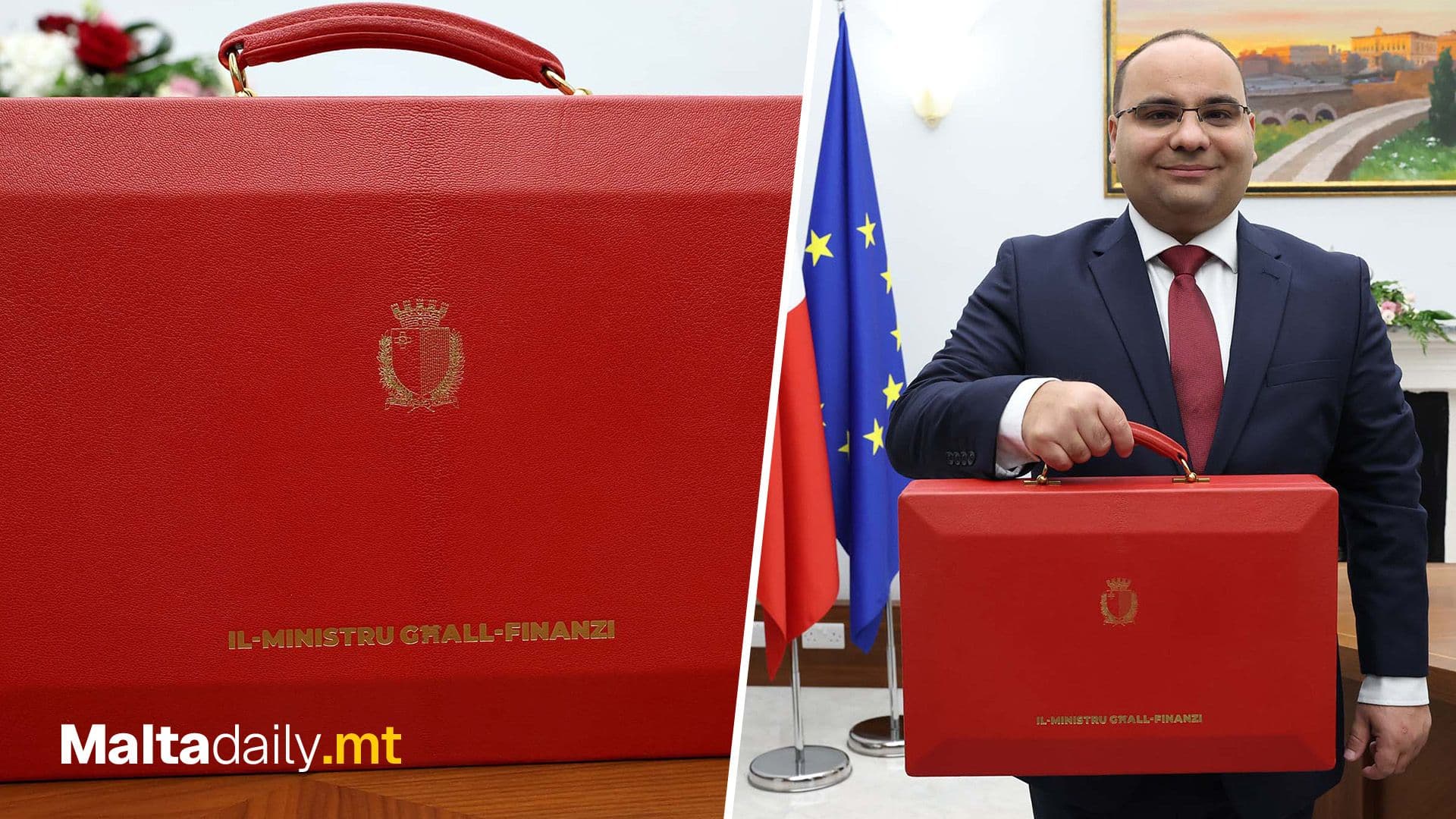
During tonight’s Budget 2026 speech, Finance Minister Clyde Caruana announced that Malta’s economy continued to demonstrate strong performance in the first half of 2025, recording the highest growth in the European Union despite ongoing international challenges faced by countries worldwide in recent years.
Malta’s GDP grew by 3.1% in real terms, well above the EU and Eurozone averages of 1.4% and 1.3% respectively. This growth was largely driven by robust domestic demand and an increase in the export of services.
Gross value added in nominal terms rose by 6.0%, with significant contributions from both the services sector and the public sector. Economic activity was further boosted by digital services, which increased by 7.4%, including a 10.3% rise in information and communication.
Tourism also continued to strengthen, with 2.2 million visitors arriving in the first seven months of 2025, marking a 12.9% increase, alongside a 19.1% rise in spending.
Looking ahead, Minister Caruana emphasised that Malta’s economy is projected to grow by 4.1% in real terms in 2025, with a more moderate pace expected in 2026.
“The world is changing in ways that present major challenges for small and open economies like ours,” the Minister told the House of Representatives. “Geopolitical risks from conflicts in our region are undermining trade and the movement of capital globally. In this context, the IMF forecasts global growth of 2.8% in 2025 and 3.0% in 2026.”
In Europe, conditions are gradually improving, but the European Central Bank’s September update remains cautious. External trade is expected to remain a drag until 2026, while domestic demand will carry the weight of economic growth. Risks are rising across Europe as governments cut spending to reduce deficits, unemployment increases, and preparation for potential conflict continues.
“In Malta, the reality is entirely different,” Caruana said. “The prudent policies we have pursued over recent years are now bearing fruit. Not only are we not increasing the burden, but this Budget will continue to support families and businesses while our deficit continues to fall year on year.”
The Minister highlighted that the Government has consistently presented responsible budgets, strengthening the economy and public finances without imposing additional weight on families or employers. In 2013, Malta’s debt stood at around 70% of GDP; through deficit reduction and wealth creation, the Government has lowered this rate. By the end of this year, debt is expected to reach 47.1% of GDP, remaining below 50% despite substantial support measures over the past five years.
Regarding the deficit, Caruana noted that it fell from 8.7% in 2020 to 3.5% in 2024. For 2025, the deficit is projected to fall further to 3.3% of GDP, and in 2026, despite over €200 million in fiscal measures, social support, and economic incentives, it is expected to decline to 2.8%, bringing Malta below the EU’s 3% threshold.
“Our country has strong foundations, and today we present to the people another Budget that continues to address their challenges,” the Finance Minister concluded. “The fiscal credibility of this Government is essential to continue protecting people’s livelihoods today and to strengthen the economy for tomorrow, for the future of our children.”
#MaltaDaily