World War II in Malta: Bomb Shelters, Heroes and Survival
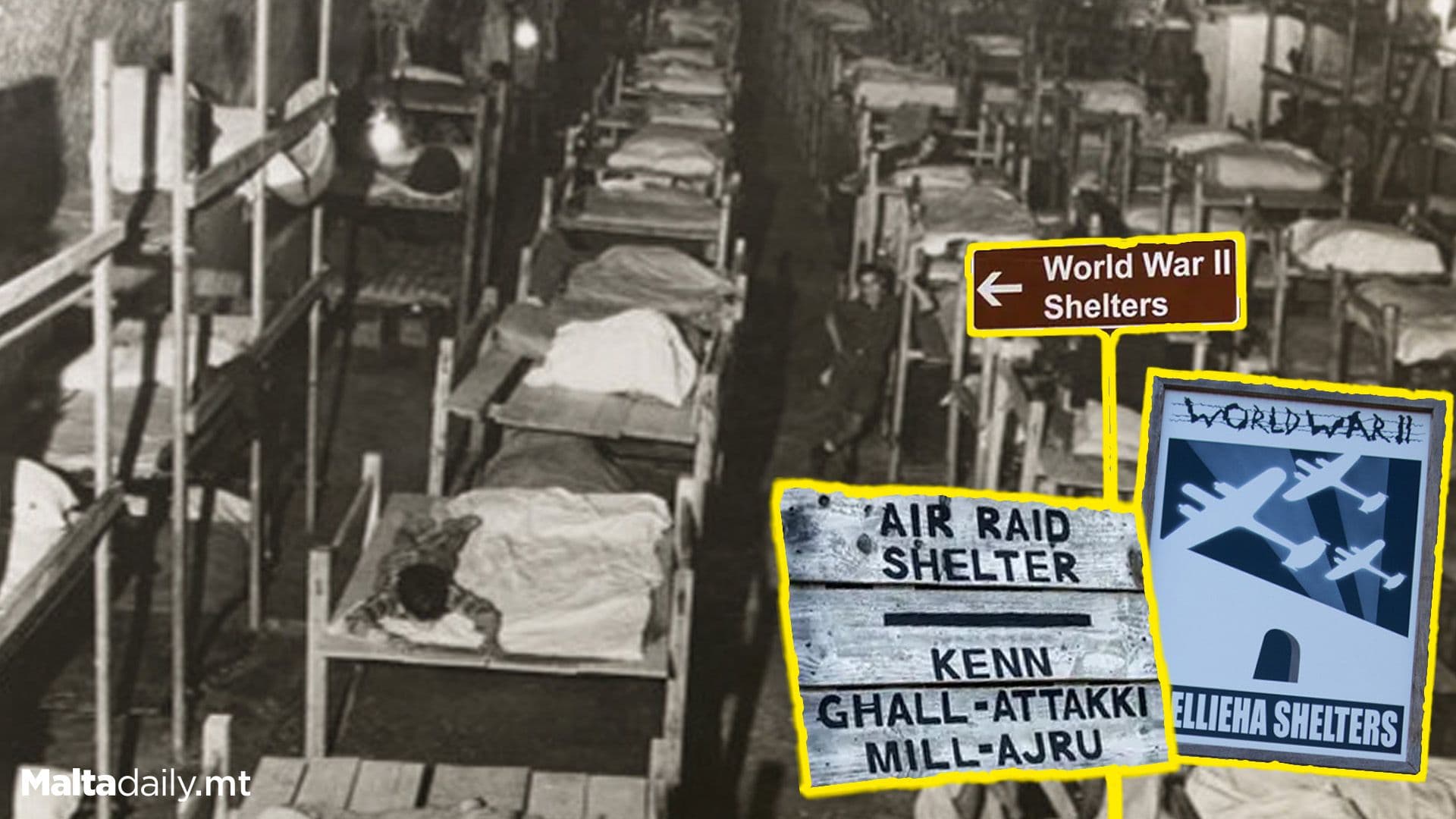
During the Second World War, Malta became one of the most heavily bombed places in Europe. Its location in the central Mediterranean made it vital for controlling sea routes, and as a result it was relentlessly attacked from the air between 1940 and 1942.
Bomb Shelters and Underground Life
At the start of the war many Maltese families sheltered in cellars or under staircases, but these soon proved unsafe. Authorities and local communities then carved hundreds of rock-cut bomb shelters into the limestone. By mid-1941 there were 473 public shelters with space for more than 138,000 people. Life underground was difficult, with families spending long hours inside during air raids. People slept on makeshift bedding, shared food in cramped spaces, and often prayed together as bombs fell above.
Bravery of the Maltese People
In recognition of the islanders’ courage and resilience, King George VI awarded the George Cross to the entire population of Malta in April 1942. This medal remains on Malta’s national flag as a lasting symbol of bravery and endurance.
Command Centres and Defence
Malta was not only a target but also a strategic base. The Lascaris War Rooms in Valletta were used as an underground command centre where British and Maltese forces planned defensive operations and later co-ordinated the Allied invasion of Sicily in 1943. Other defence sites included Fort Campbell and small coastal pillboxes that kept watch for enemy aircraft and ships.
Museums and Reminders Today
The story of Malta’s wartime struggle is preserved in several museums. The Malta at War Museum in Birgu combines exhibits with access to wartime tunnels and shelters. Visitors can also see restored command centres and coastal fortifications, which highlight the scale of Malta’s defensive efforts.
#MaltaDaily