

Women’s Representation In Malta’s local Councils Doubles Since 1993, Government Study Finds
Women’s participation in Malta’s Local Councils has increased significantly since the system was first introduced in the 1990s, according to a new study commissioned by the Government.
The research, carried out by the University of Malta under the leadership of Professor Carmen Sammut and Professor Vincent Marmara, shows that the number of women serving on Local Councils has doubled between 1993 and 2024.
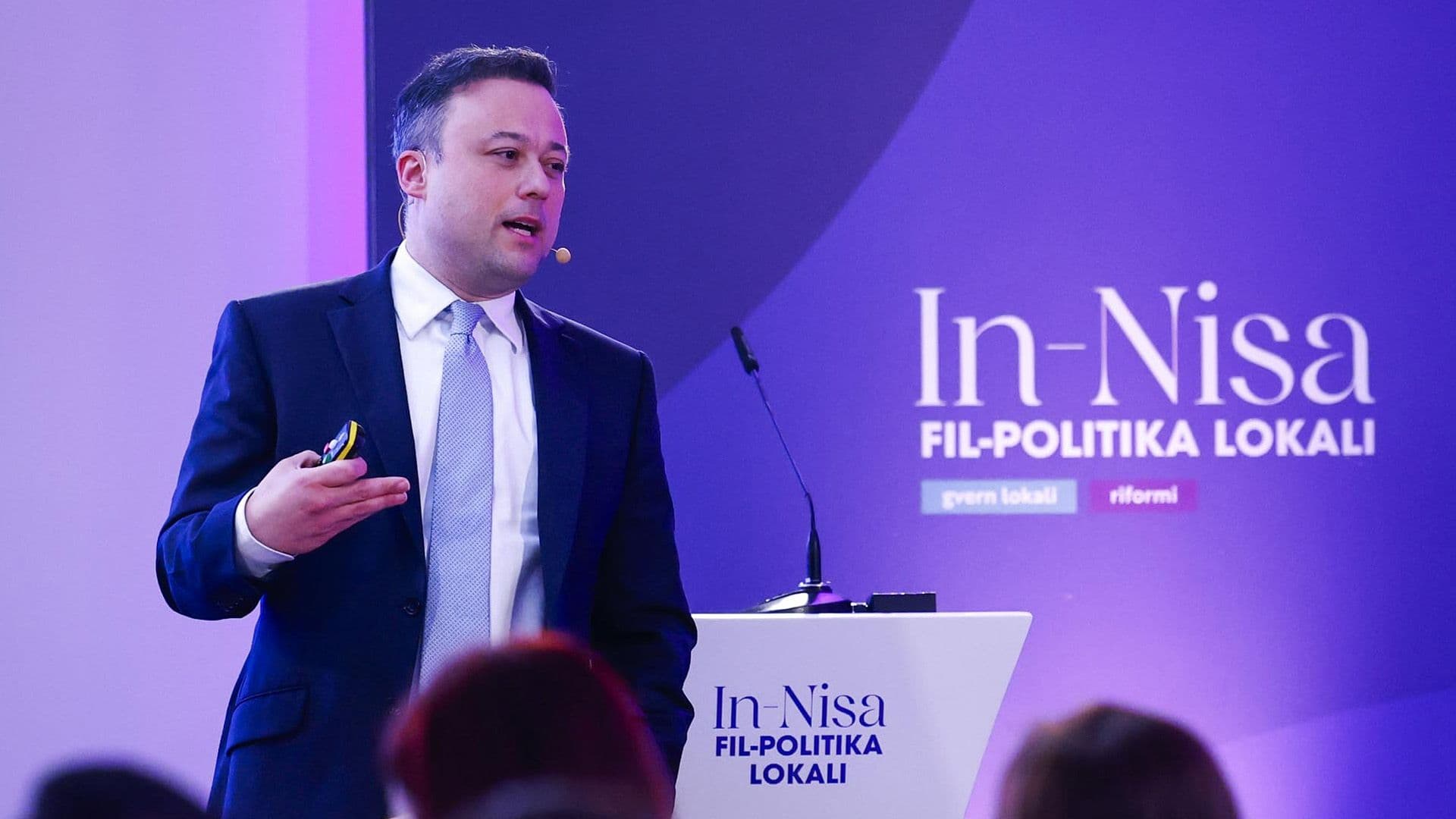
In the first year after Local Councils were established in 1993, women made up 13.5 per cent of council members. Following the most recent Local Council elections in 2024, the proportion of female members rose to 28.2 per cent.
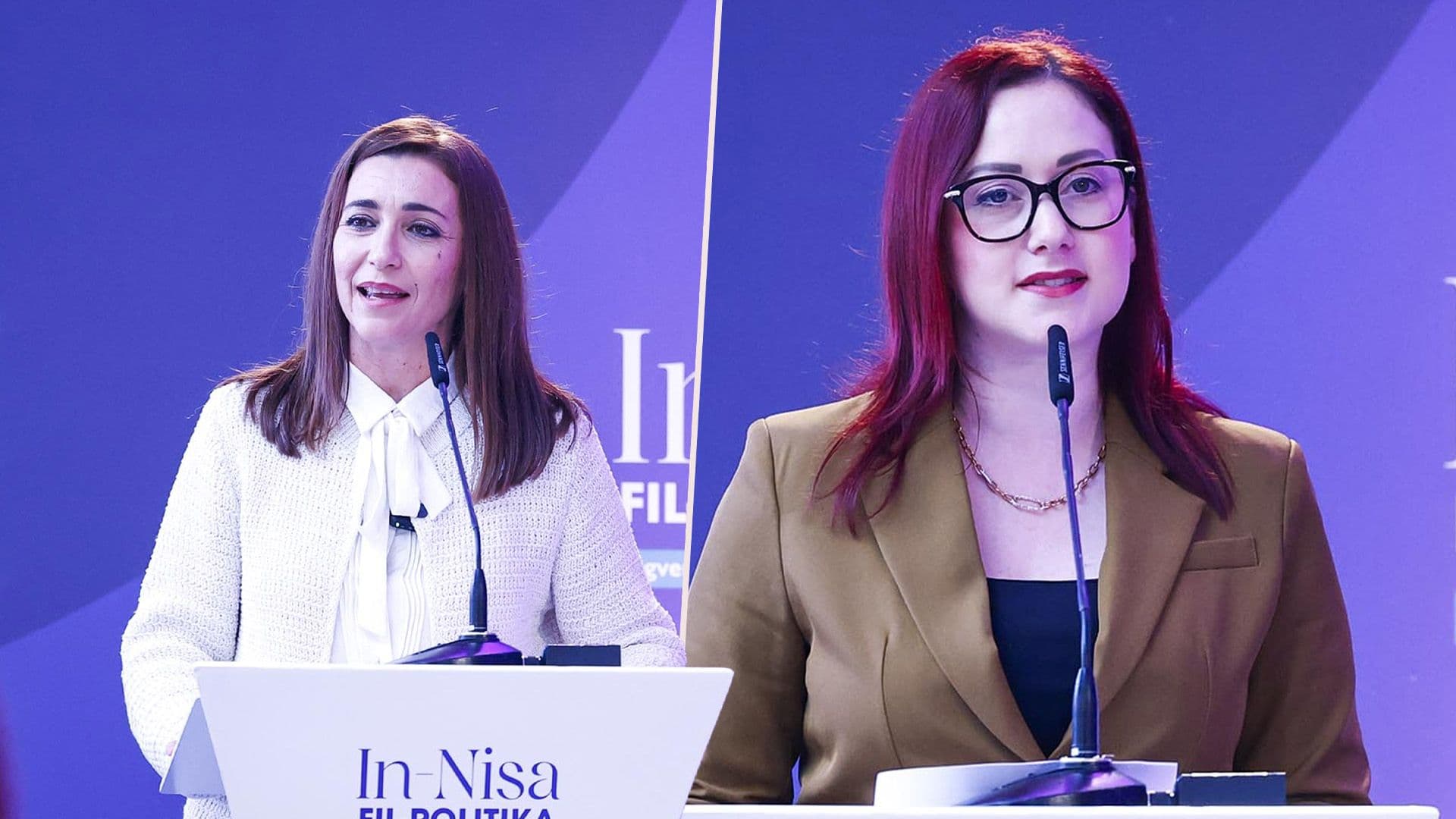
The findings were presented during a conference addressed by the Parliamentary Secretary for Local Government, Alison Zerafa Civelli, and the Parliamentary Secretary for Equality and Reforms, Rebecca Buttigieg.
They explained that the study forms part of a wider initiative linked to an electoral pledge made in the Malta Flimkien manifesto.
Zerafa Civelli noted that many women currently serving in Parliament began their political careers at local level. Some of them, including herself, had previously served as mayors in their communities.
She stressed that balanced political representation cannot be achieved without the participation of women at every level of governance.
“The woman is the backbone of our families and the foundation of our society. Communities are made up of families and our society is built on them. Today women are also one of the main pillars of our economy through their full participation in the labour market. Therefore women should also have proper representation in the administration and in the highest institutions of the country,” she said.
Zerafa Civelli also highlighted the importance of challenging stereotypes and promoting greater inclusion. She explained that the study provides a clearer understanding of the obstacles that women face when considering whether to stand as candidates for Local Councils.
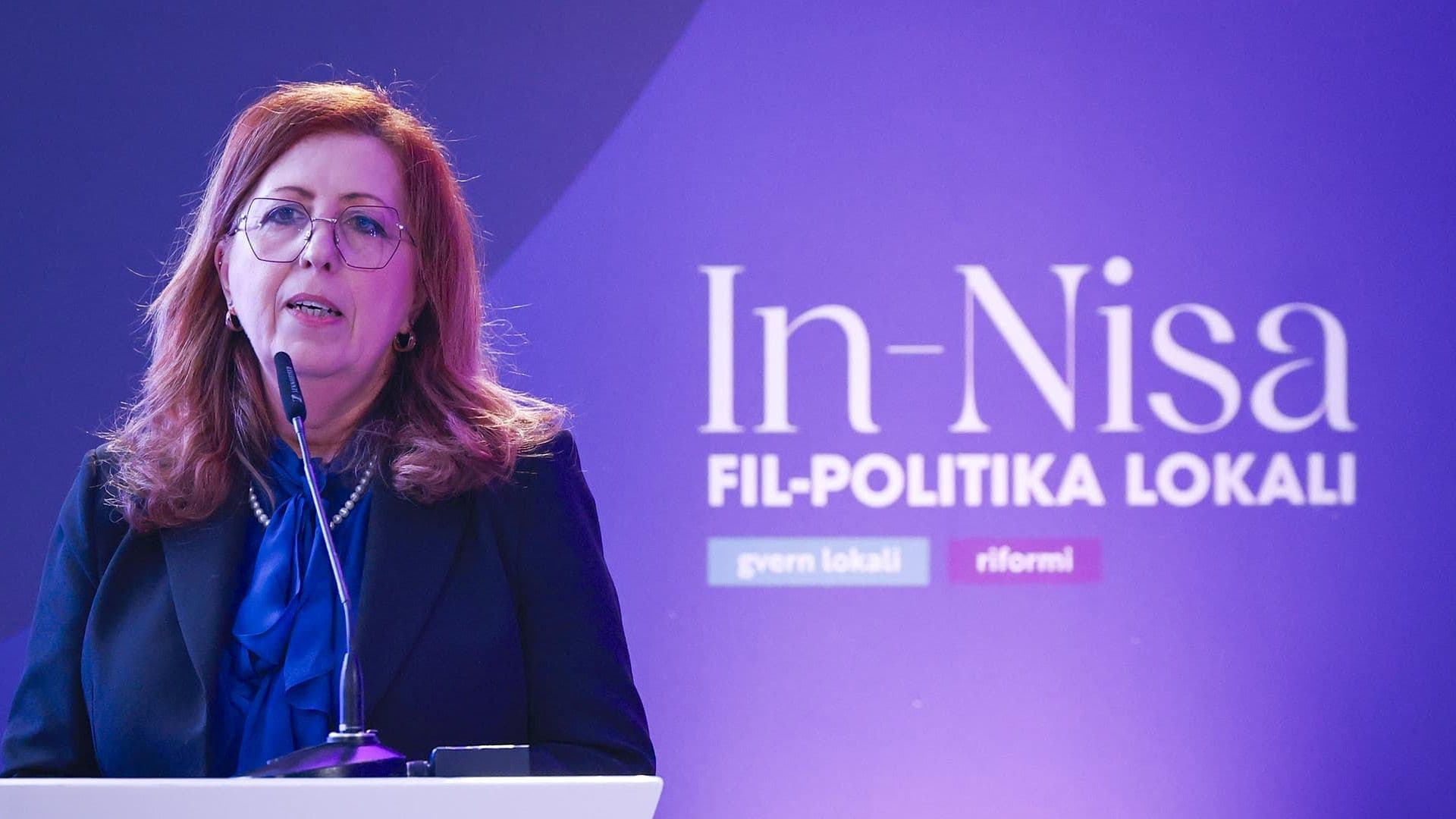
Rebecca Buttigieg said the research sheds light on why women’s participation in Local Councils and in politics more broadly remains limited.
She described the study as an important step towards developing an action plan that would implement the report’s recommendations and examine initiatives already adopted in several European countries.
Buttigieg emphasised that equal representation should be seen as a right rather than a privilege, adding that women’s perspectives must be reflected in political decision making.
“We are not working for women to be privileged or placed on a pedestal. We simply want women to always enjoy respect and dignity everywhere and in everything, with equality and inclusion,” she said.
Both parliamentary secretaries welcomed the study’s recommendations and said that training, communication and stronger cooperation with political parties would be key to achieving more balanced and fair representation in the future.
#MaltaDaily
