Why Is It Called Carnival?
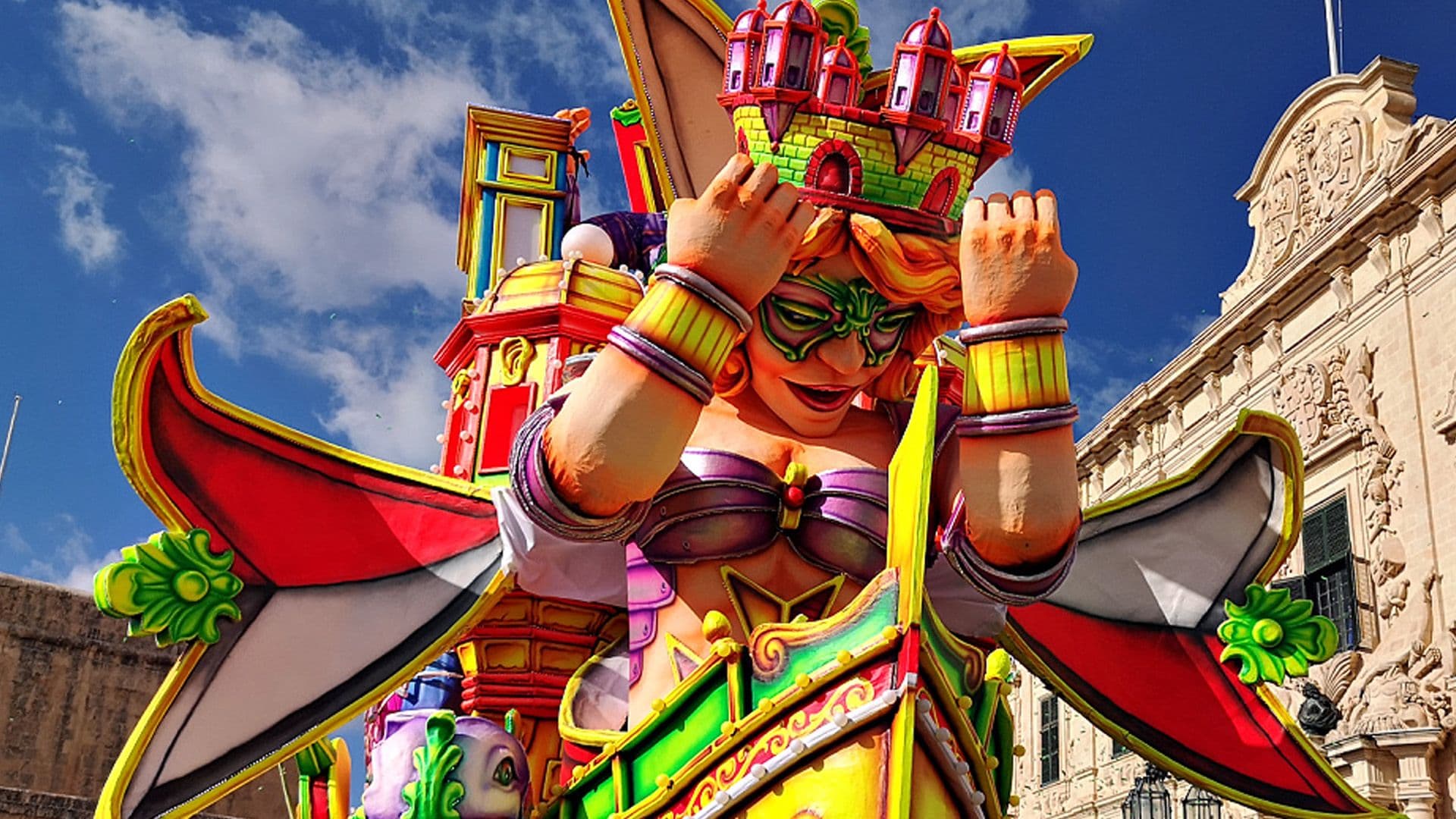
In Malta, Carnival is more than a weekend of costumes and street celebrations. It is a tradition shaped by centuries of religion, culture, and Mediterranean influence. Even the name Carnival carries a meaning that explains why the celebration exists in the first place.
The word Carnival is widely believed to come from the Latin phrase carne levare, meaning “to remove meat,” or from carne vale, meaning “farewell to meat.” Both interpretations point to the same idea. Carnival marked the period just before Lent, when Christians traditionally gave up meat and rich foods in preparation for Easter. It was the final opportunity to feast, celebrate, and indulge before a time of restraint.
This meaning fits closely with how Carnival developed in Malta. When the Knights of the Order of St John arrived in the sixteenth century, they reinforced pre-Lenten celebrations across the islands. Masquerades, public entertainment, feasts, and parades became part of Maltese life, reflecting traditions already common in Italy and France, where the word Carnival was firmly established.
Over time, Carnival in Malta also became a moment when everyday rules were relaxed. Masks and costumes allowed people to hide their identities, mock authority, and blur social boundaries. This spirit of freedom remains especially visible in Gozo, where spontaneity and anonymity are still central to the celebrations.
Although Carnival became closely linked to Christianity, historians note that many of its customs echo much older Mediterranean and Roman festivals tied to seasonal change and renewal. These ancient traditions blended over time with Christian practices, shaping the celebration as it exists today.
In Malta, the name Carnival still reflects its original purpose. It represents indulgence before discipline, humour before seriousness, and collective joy before routine returns. The name is not just symbolic. It is a reminder of how deeply this tradition is woven into Maltese history and identity.
#MaltaDaily
Photo Source: Maltatina