Why Do We Celebrate Halloween On 31st October?
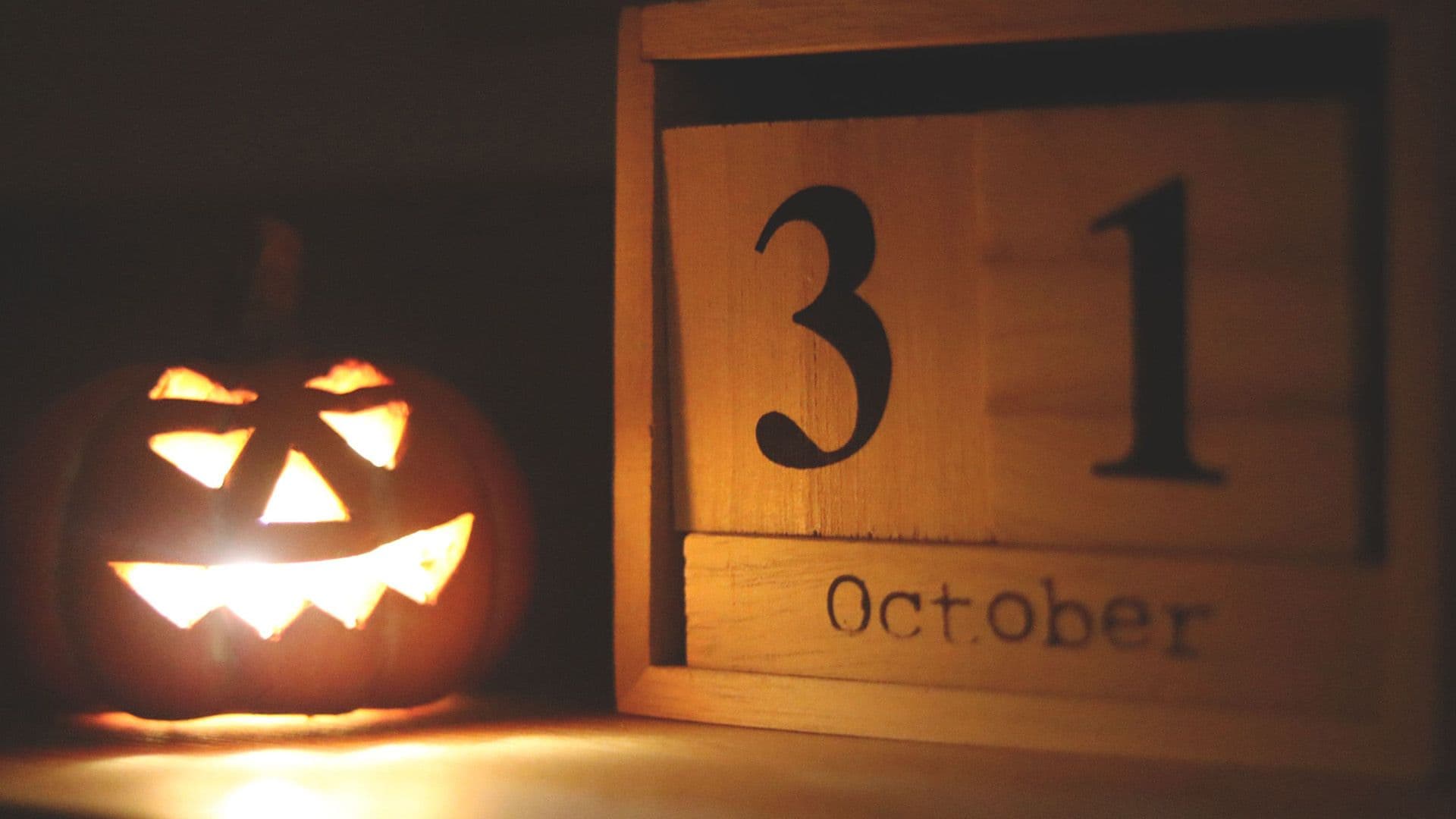
Every year on 31st October, people around the world dress up in spooky costumes, carve pumpkins, watch horror films and celebrate Halloween. But have you ever wondered why we celebrate it on this particular date?
The origins of Halloween can be traced back more than 2,000 years to an ancient Celtic festival known as Samhain (pronounced sow-in).
The Celts, who lived in parts of modern-day Ireland, Britain and France, celebrated Samhain around 31st October and 1st November to mark the end of the harvest season and the beginning of winter.
They believed this was a time when the boundary between the living and the dead became thinner, allowing spirits to return to the world of the living.
To protect themselves from unwanted spirits, people would light bonfires and take part in rituals, with disguises and costumes eventually becoming associated with the tradition.
Over time, Christian traditions also influenced the celebration. The 1st of November became known as All Saints' Day, while the evening before was called All Hallows' Eve, which eventually evolved into the word Halloween.
As Irish and Scottish immigrants brought their traditions to North America, Halloween gradually developed into the celebration we recognise today, complete with trick-or-treating, pumpkin carving and fancy dress.
Interestingly, the tradition of carving pumpkins actually developed from an older custom of carving turnips into lanterns. Pumpkins became the preferred choice in North America because they were larger and easier to carve.
Today, Halloween has become a major celebration in countries around the world, including Malta, where costume parties, spooky decorations and themed events have become increasingly familiar.
So, while Halloween might seem like a modern celebration inspired by horror films and American culture, its roots actually stretch back thousands of years!
Will you be celebrating Halloween this Saturday?
