

Who Was St Paul and Why Is He So Important to Malta?
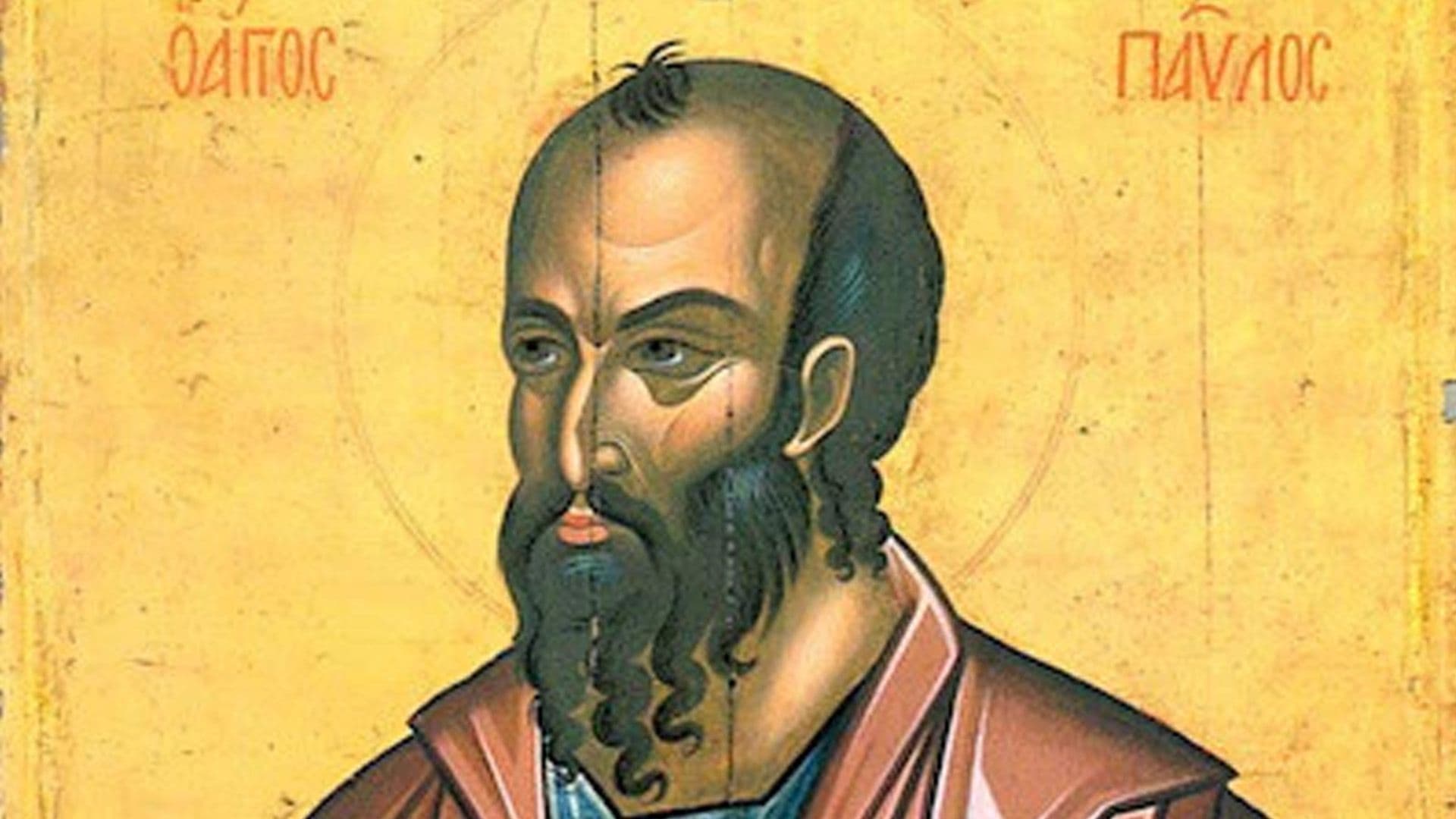
St Paul the Apostle is one of the most influential figures in the history of Christianity and is regarded as the spiritual father of Christianity in Malta. Born as Saul of Tarsus in the Roman city of Tarsus, in present-day Turkey, he was a Roman citizen and a devout Jew who initially opposed the early Christian movement.
His life changed dramatically after a profound conversion experience on the road to Damascus, after which he became one of Christianity’s most passionate missionaries. St Paul went on to travel extensively across the Roman Empire, preaching Christianity and establishing early Christian communities. His letters, written to various churches, later became a foundational part of the New Testament and continue to shape Christian theology today.
St Paul’s deep connection to Malta dates back to around AD 60. While being transported to Rome as a prisoner, his ship was caught in a violent storm and was wrecked on the Maltese islands. This event is recorded in the Acts of the Apostles, which describes how all those on board survived and were welcomed by the island’s inhabitants.
According to tradition and biblical accounts, St Paul remained in Malta for approximately three months. During this time, he is believed to have preached Christianity and performed miracles, including healing the father of the Roman governor Publius. These events are widely seen as the moment Christianity was introduced to Malta, giving the island one of the oldest Christian traditions in Europe.
Tradition places St Paul’s residence in the area of Rabat, where St Paul’s Grotto is today a major place of pilgrimage and religious devotion. His legacy is also deeply embedded in Valletta, particularly through the Collegiate Parish Church of St Paul’s Shipwreck and the annual feast commemorating the shipwreck, one of the most important religious celebrations in the country.
Beyond religion, St Paul’s story forms a key part of Malta’s cultural identity. His shipwreck is often cited as a defining moment in the island’s history, symbolising hospitality, faith, and resilience. For this reason, St Paul remains a central figure in Maltese heritage and is honoured not only as a saint, but as a foundational figure in the nation’s spiritual history.
#MaltaDaily
