What Malta’s Historic Recognition Of Palestine Means
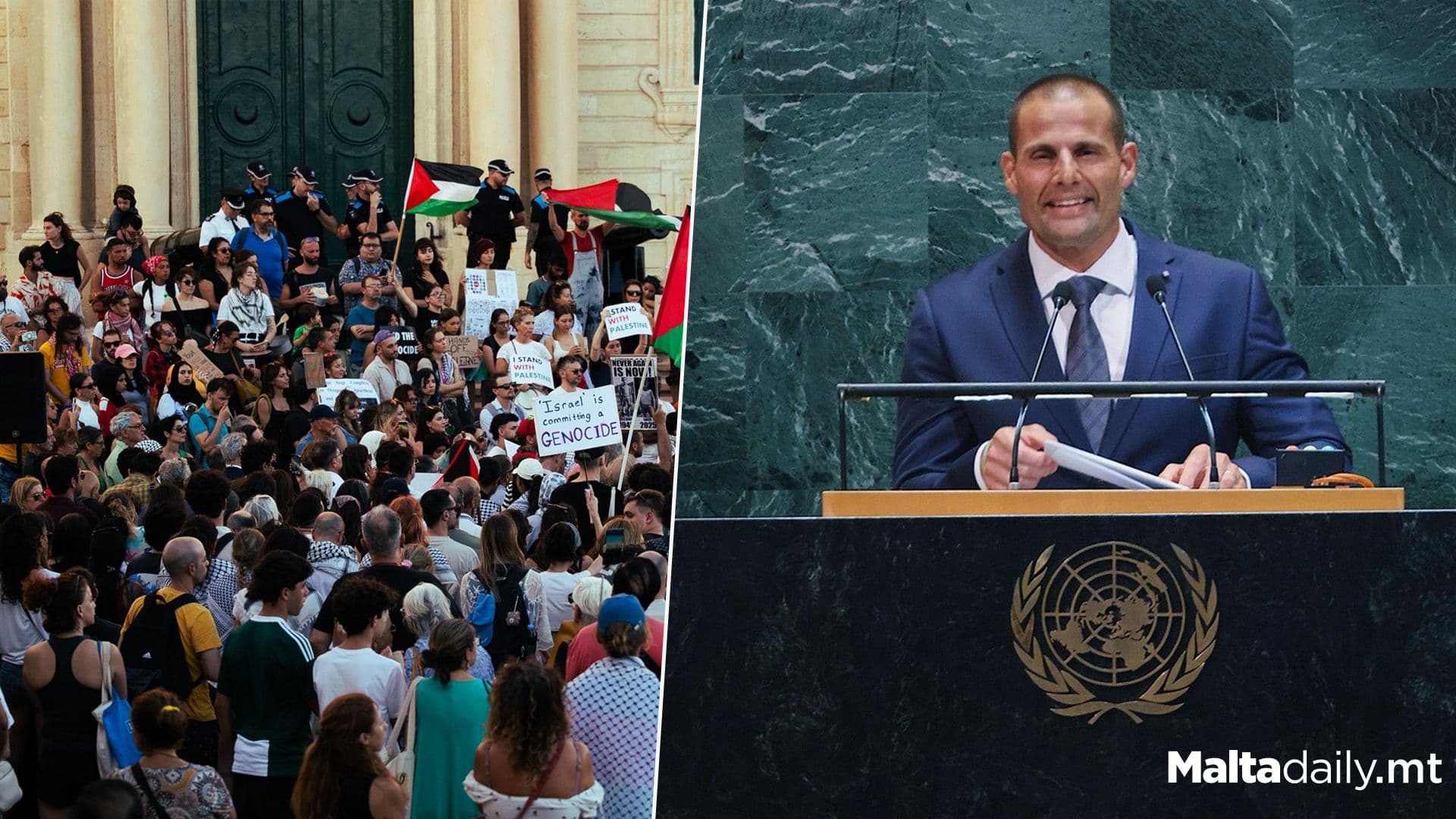
Malta has joined a growing number of countries in officially recognising the State of Palestine, with Prime Minister Robert Abela calling the decision a “demonstration of our commitment to peace” and the only realistic path towards a two-state solution.
The move comes as momentum builds across the international community. The UK, Australia and Canada have already announced their recognition of Palestine, while France and a vast number of other European nations such as Andorra, Belgium, Luxembourg and Monaco recognised Palestine as a state on the same day as Malta.
Recognition by Malta places the island nation firmly within a bloc of countries calling for a negotiated settlement that secures a viable Palestinian state alongside a safe and secure Israel.
But what does such recognition actually mean? Palestine is a state that, in many ways, exists and does not exist. It has diplomatic missions abroad and takes part in global sporting events, yet it lacks internationally agreed borders, a capital, and an army.
The Palestinian Authority exercises only partial control over the West Bank due to Israel’s occupation, while Gaza remains embroiled in a devastating conflict.
Recognition therefore carries significant symbolic weight, even if it does little to alter realities on the ground. It sends a powerful political and moral message, that Palestinians have the right to self-determination and that a two-state solution remains the only credible path to peace.
Currently, around 75% of UN member states recognise Palestine, which holds the status of “permanent observer state” at the UN. With Malta’s decision, Palestine gains yet another supporter within Europe at a time when calls for peace are louder than ever.
#MaltaDaily