
Warning: Why You Shouldn’t Bring Plants Back to Malta
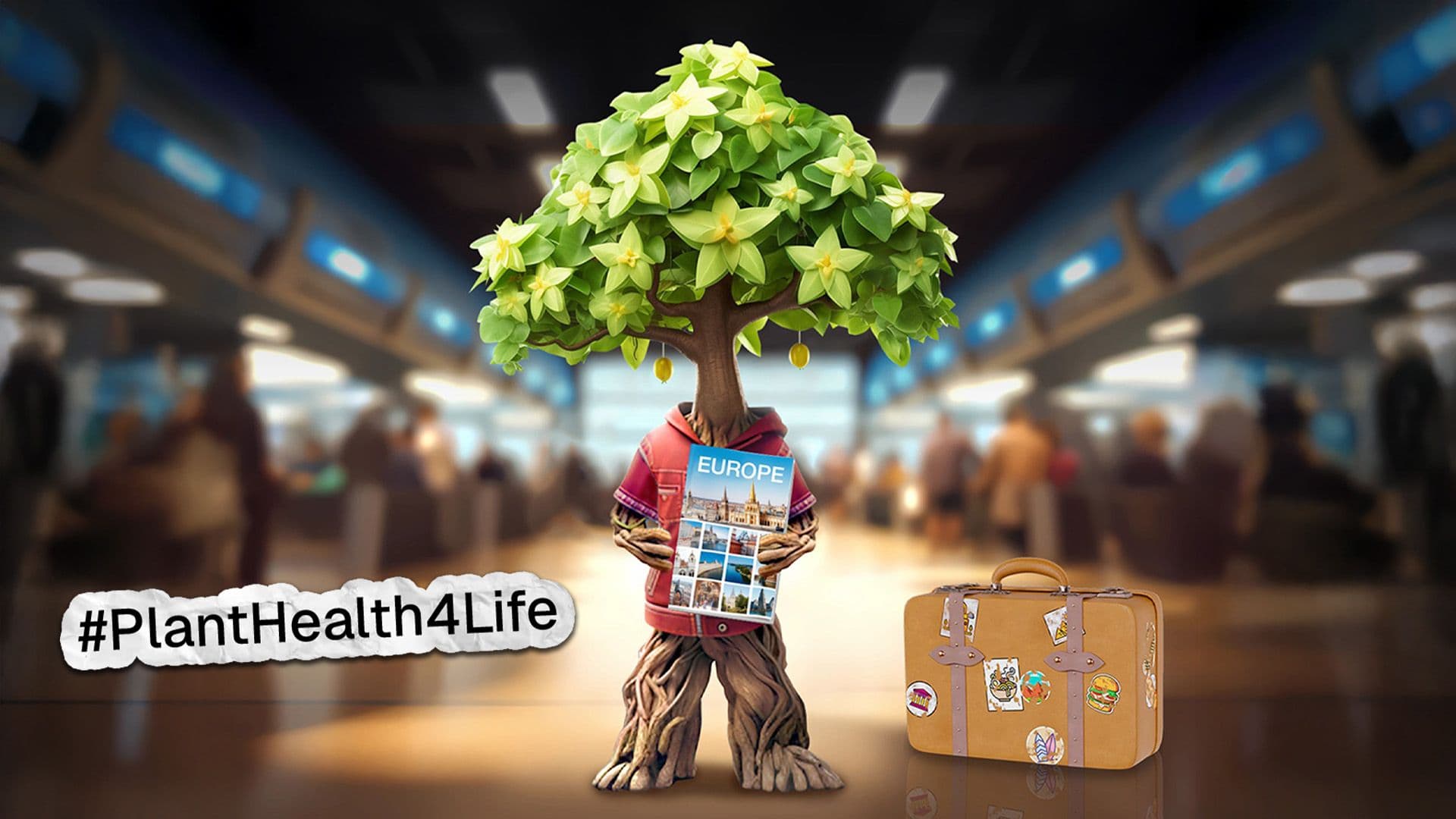
As many Maltese residents travel abroad, authorities are reminding the public that bringing plants, seeds, soil or cuttings back home, even as gifts or souvenirs, can pose serious risks to Malta’s environment, agriculture and biodiversity.
The reminder forms part of the #PlantHealth4Life campaign, now in its third year, launched by the European Food Safety Authority (EFSA), the European Commission (EC) and partners across Europe. Kicking off in May 2025, the campaign aims to raise awareness about the importance of plant health and encourage citizens to make informed choices that protect ecosystems and food security.
“When citizens understand the vital role of plant health in their lives, from the food on their tables to the air they breathe, they become powerful agents of change,” said Sylvain Giraud, Head of Plant Health Unit at the European Commission’s Directorate General for Health and Food Safety.
Experts warn that plants are rarely “just plants”. According to EFSA, they can carry insects, bacteria and fungi that may be invisible but highly destructive once introduced into a new environment. Increased travel during holiday periods makes the spread of such pests more likely.
Healthy plants are essential to daily life, providing around 80% of the food we eat, supporting livestock and helping clean the air. The spread of plant pests can lead to reduced crop yields, higher food prices and long-term environmental damage. One well-known example is Xylella fastidiosa, which has devastated olive groves in southern Italy for over a decade, destroying millions of trees.
Malta is participating in the #PlantHealth4Life campaign through The Food Safety and Security Authority within the Ministry for Agriculture, Fisheries and Animal Rights, which is dedicated to conserving and improving the health of indigenous plants.
#MaltaDaily
