Understanding Gender Based Violence
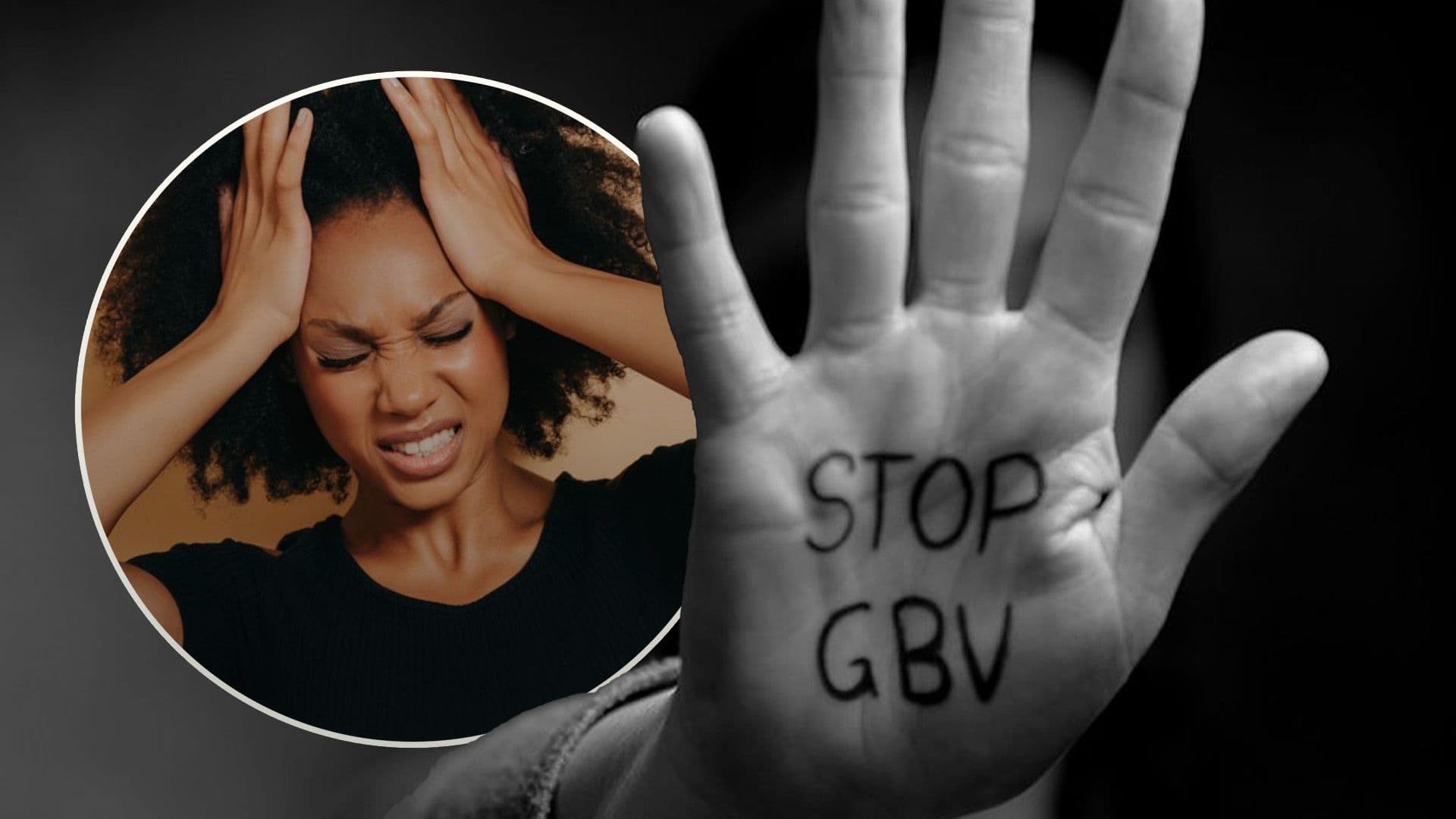
Gender-based violence (GBV) stems from unequal power dynamics and harmful beliefs about gender and identity. It targets people because of who they are or how they express themselves, and its effects are often lasting and deeply damaging.
GBV can involve harassment, intimidation, emotional manipulation, discrimination, or physical and sexual violence, but it can also appear in subtle behaviours that silence, isolate, or undermine someone.
One in three women experiences GBV, predominantly from an intimate partner. It can also manifest in many forms including genital mutilation, sexual trafficking, honour killing, revenge porn and cyber bullying.Some individuals are more vulnerable, especially those whose identities challenge traditional expectations or who face social exclusion.
GBV is often reinforced by attitudes that normalise dominance and discourage people from speaking up, allowing harmful behaviour to continue unchecked.
Recognising Gender-Based Violence in the Workplace
Workplaces should be environments founded on mutual respect and equal opportunity, yet many people encounter GBV in professional settings. GBV in the workplace is not always visible or dramatic. Sometimes it appears through subtle patterns of disrespect, exclusion, or intimidation.

This may include:
Unwanted comments or sexualised jokes
Persistent verbal or digital harassment
Threats or coercion
Treating someone differently because of their gender identity or expression
Gaslighting or sabotaging someone’s work or opportunities
Creating hostile environments, where speaking up feels unsafe
Many incidents go unreported due to fear of retaliation or shame. However, recognising these behaviours is crucial. When individuals speak up, and when organisations implement clear reporting procedures, real change becomes possible.
Workplaces that actively prevent GBV introduce clear anti-harassment policies, provide training and awareness opportunities, and designate safe, confidential channels for reporting abuse. Support can also take the form of counselling services, restorative mediation, and follow-up measures that protect victims. Ultimately, creating safer workplaces helps individuals thrive, increases productivity, and fosters lasting equality.
Gender-Based Violence Against Transgender People
Transgender individuals experience disproportionately higher levels of GBV, both in public and private settings. In fact, transgender people are the most targeted group within the LGBTQIA+ community. The statistics speak for themselves. Trans people are four times more likely to experience violent crime than cisgender people. Across the EU in 2023, 29% of trans women and 23% of trans men were affected by physical or sexual violence.
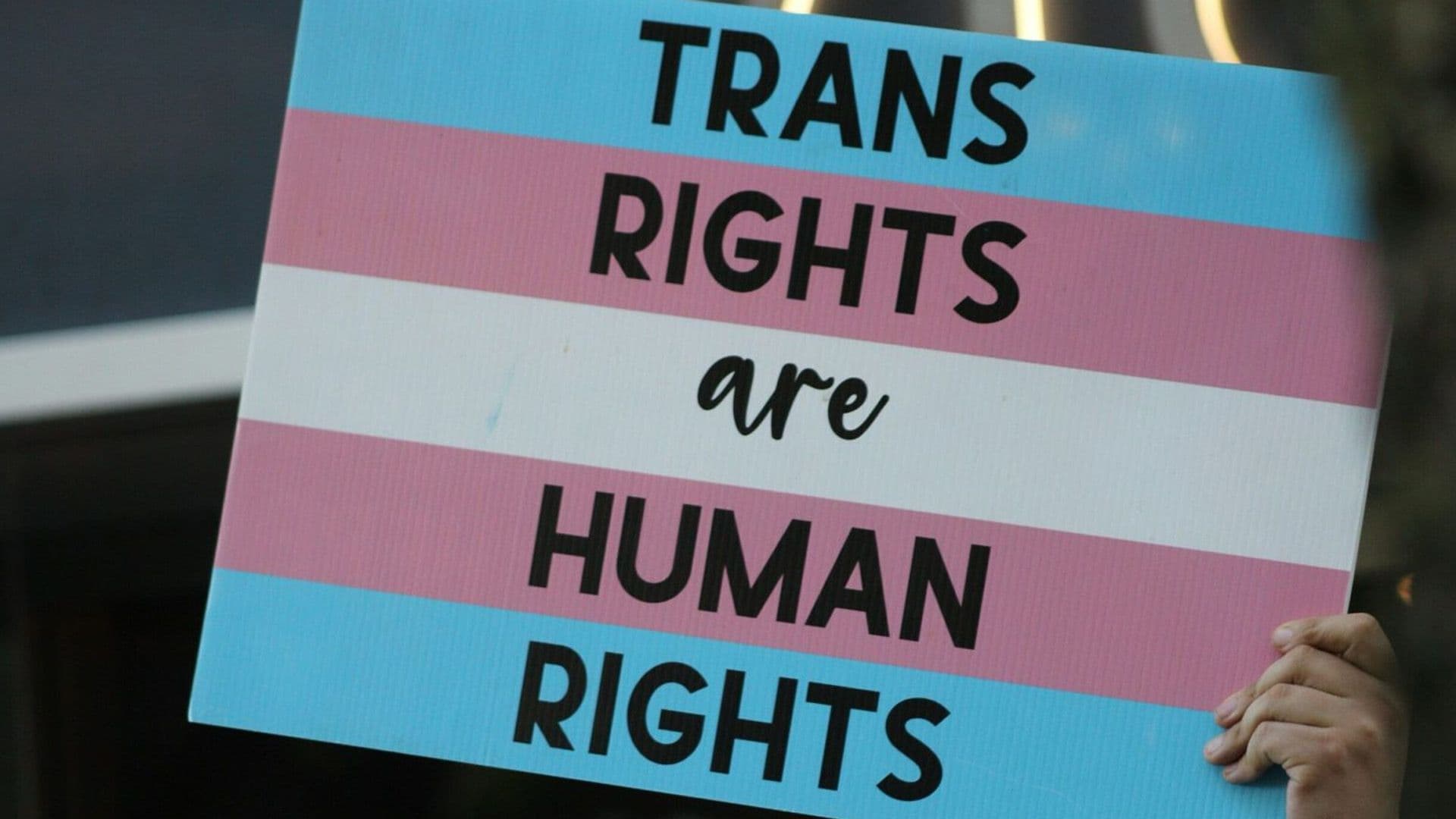
The experience of trans people is shaped not only by sexism but also by transphobia, stigma, and discriminatory systems.
Forms of GBV specific to transgender people often include:
Physical aggression and sexual violence
Harassment in public spaces
Workplace discrimination and denial of services
Deliberate misgendering or use of incorrect pronouns
“Dead-naming,” or using a former name against someone’s will
Online abuse and threats
These forms of violence are not only psychologically harmful, they actively threaten trans people’s safety and access to employment, healthcare, housing, education, and community spaces.
Affirming identities plays a powerful role in reducing harm. Using correct pronouns, respecting chosen names, avoiding intrusive questioning, and challenging discriminatory language are simple steps that contribute to safer environments. Advocacy organisations also play a crucial role by providing specialised support services, legal advice, peer support spaces, and awareness campaigns.
Together Toward Change
When we name gender-based violence, we can stop it. Recognising patterns, supporting survivors, and challenging harmful behaviour helps break silence and isolation.
Awareness raising is vital– initiatives like CGBVDV’s recent 16 Days of Activism campaign brings violence out of the shadows and empowers survivors to share their stories. LGBTI+ Gozo recently wrapped its project for the Together We Empower programme, bringing creative art workshops to survivors and educational awareness to the public. Collective action drives change, and these projects help us move closer to a society where everyone can feel safe, supported, and empowered.

If you have experienced or witnessed GBV, you are not alone. Speaking up is a powerful first step.
Support is available.
Contact for assistance or information:
Appogg Domestic Violence Unit: 2295 9000
GBDV Unit: 2294 2717
Kellimni.com - Anonymous chat and professional support
LGBTI+ Gozo: 9935 6622 | lgbtigozo@gmail.com
LGBTIQ+ Wellbeing Service: 99042015 | lgbtiqservice@gov.mt
OLLI chat: run by Richmond Foundation
Rainbow Support Service: 7943 0006
Victim Support Agency (VSA): 116 006 | vsasupport@gov.mt
This article is sponsored by “Safe Spaces, Strong Voices: Art for Empowerment” led by LGBTI+ Gozo and funded by the Commission on Gender-Based Violence & Domestic Violence and riformi through the #TogetherWeEmpower initiative.
@riformi_mt @stopviolencemalta @lgbtiplusgozo
#MaltaDaily