Malta’s The BioArte Lab Delivers Breakthrough In Sepsis Diagnosis
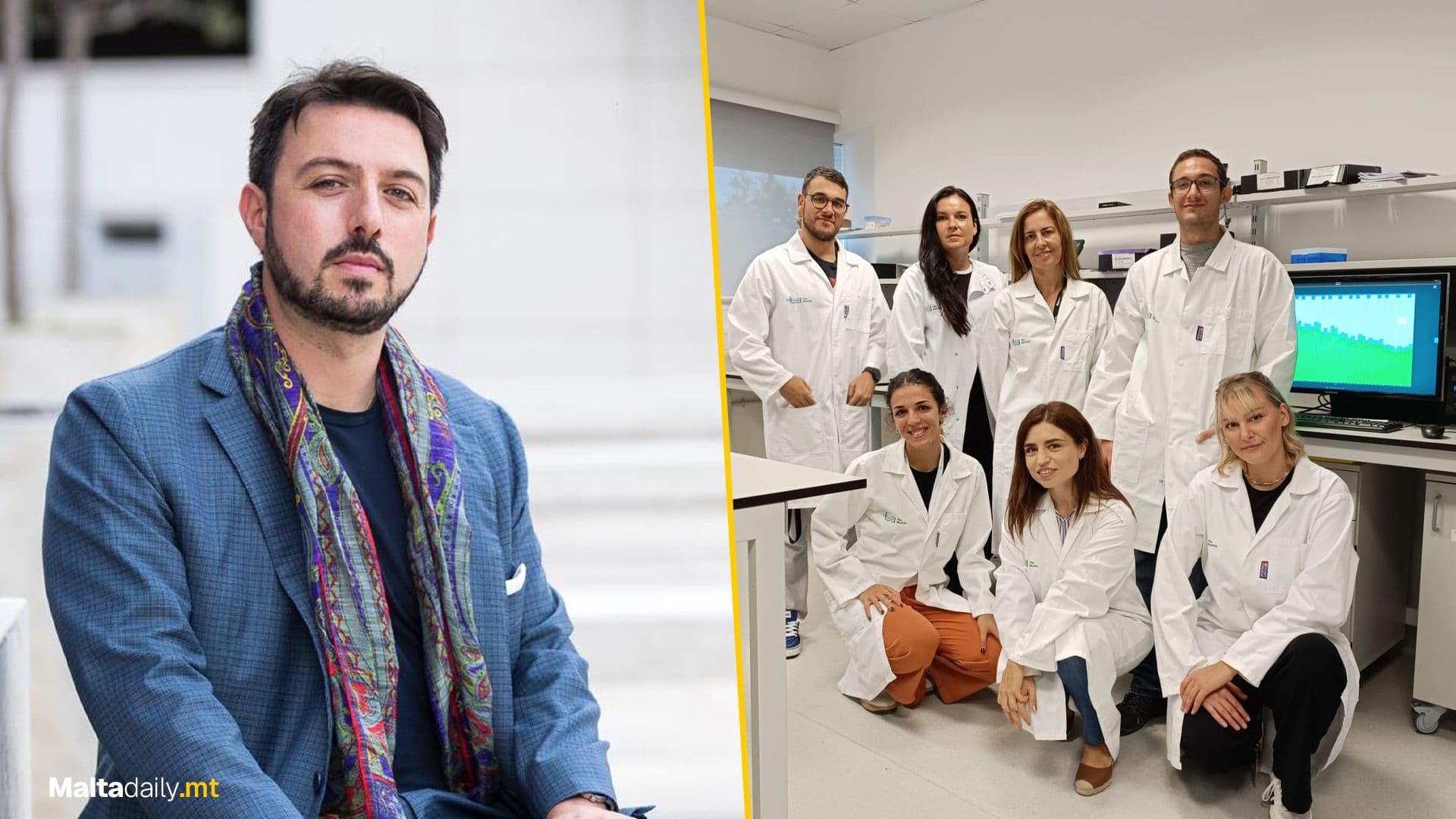
In a bright, modern lab at the Malta Life Sciences Park, a local team of scientists has achieved what many in global medicine have long hoped for: a way to diagnose deadly bloodstream infections in just twelve hours.
The achievement comes from BioArte, a Malta-based biotechnology company led by Dr Manuele Biazzo, who has been working at the intersection of genomics and infectious diseases for over a decade. Alongside his team: including scientific lead Dr David Pinzauti has developed PISTE™, a rapid DNA-based test for diagnosing sepsis.
Sepsis is a fast-moving and potentially fatal condition triggered by infection. It affects more than 49 million people worldwide each year and causes over 11 million deaths. It often begins with a bacterial or fungal infection that enters the bloodstream, but identifying the exact cause quickly enough to treat it correctly has always been a challenge.
“This condition moves fast,” explains Dr Biazzo. “When a patient arrives with suspected sepsis, doctors have hours, not days, to act. Our goal was to make sure they didn’t have to wait.”
The Problem: Current Tests Take Too Long
Until now, the only widely available method for identifying the bacteria or fungus causing a bloodstream infection has been blood culture , a decades-old process that relies on growing microorganisms in the lab. This method can take up to three days, sometimes longer, especially for slow-growing or hard-to-detect pathogens.
The result? Physicians are forced to start patients on broad-spectrum antibiotics while they wait. This can lead to missed infections, ineffective treatment, overuse of powerful antibiotics, and increased risk of antimicrobial resistance.
BioArte’s new platform, PISTE™, eliminates this waiting game.
A Faster, Smarter Diagnostic
Instead of growing microbes in a flask, PISTE™ reads their DNA directly from the blood — detecting not only the presence of bacteria, but also which drugs they are resistant to, and whether they carry dangerous virulence traits that could worsen the patient’s condition.
The test uses advanced sequencing equipment, the same kind now used in some cancer and rare disease diagnostics, and a pipeline built entirely in BioArte’s laboratory. From the moment a sample arrives, the team can return a result within 12 hours.
This includes:
· Identifying the exact species causing the infection
· Reporting potential resistance to antibiotics
· Highlighting virulence factors that may make the infection more severe
Everything is done in-house, from DNA extraction to sequencing and report generation.
Proof in Practice
To validate the system, BioArte partnered with the Hellenic Institute for the Study of Sepsis (HISS) and four hospitals in Athens. A total of 100 adult patients suspected of having sepsis were enrolled in a clinical study. Before any treatment began, blood samples were collected. Part was processed in Greek labs using standard culture methods; another portion was frozen and flown overnight to Malta.
At BioArte’s lab, the PISTE™ workflow was initiated the moment samples arrived. The results were then compared with the traditional blood culture findings.
In patients who met the international criteria for sepsis, PISTE™ showed:
· 95.7% overall accuracy
· 91.7% sensitivity (correctly identifying infections)
· 96.5% specificity (avoiding false positives)
More impressively, the time to result was cut by more than half: just 12 hours, compared to an average of over 30 hours using standard methods.
In some cases, PISTE™ also identified multiple infections or resistant strains that cultures missed, giving doctors clearer insight into how to treat their patients.
A Maltese Innovation with Global Reach
While the patient recruitment took place abroad, all of the diagnostic work; including sample processing, sequencing, and bioinformatics, happened in Malta.
“This is a fully Maltese operation, with international collaboration. We’re showing that world-class diagnostics can come from Malta and serve the world,” said Dr Biazzo.
The implications are profound. If rolled out more widely, PISTE™ could reduce ICU stays, improve survival rates, and support smarter antibiotic use across Europe; particularly as antimicrobial resistance continues to rise.
The study was recently accepted for publication in the international scientific journal Frontiers in Cellular and Infection Microbiology. Read the article here
What’s Next
With its first clinical study completed, BioArte is now preparing for a larger validation phase and pursuing European certification (E-IVD) to enable broader clinical use by 2026. The team is also expanding its Malta lab capacity to offer the test to more hospitals.
“We believe this can become part of routine care for sepsis,” said Dr Biazzo. “And it all started in Malta.”
The project received partial funding support from Xjenza Malta under research grant R&I-2024-019L.
About BioArte BioArte is a biotechnology company based at the Malta Life Sciences Park in San Ġwann. The company focuses on rapid, genomics-based diagnostics for infectious diseases and antimicrobial resistance. PISTE™ is a registered trademark of BioArte.
Study citation: An NGS-Assisted Diagnostic Workflow for Culture-Independent Detection of Bloodstream Pathogens and Prediction of Antimicrobial Resistances in Sepsis https://www.frontiersin.org/articles/10.3389/fcimb.2025.1656171
#MaltaDaily