The Ecosystem Few Women Are Ever Told About: Now Readable In Malta
Most women in Malta have had the conversation at least once: recurrent discomfort, a swab, a course of treatment, a few good weeks — and then the same cycle again.
What almost never gets explained is that the vagina is a living microbial ecosystem, and that the pattern behind those cycles can now be read with the same technology used in international research.
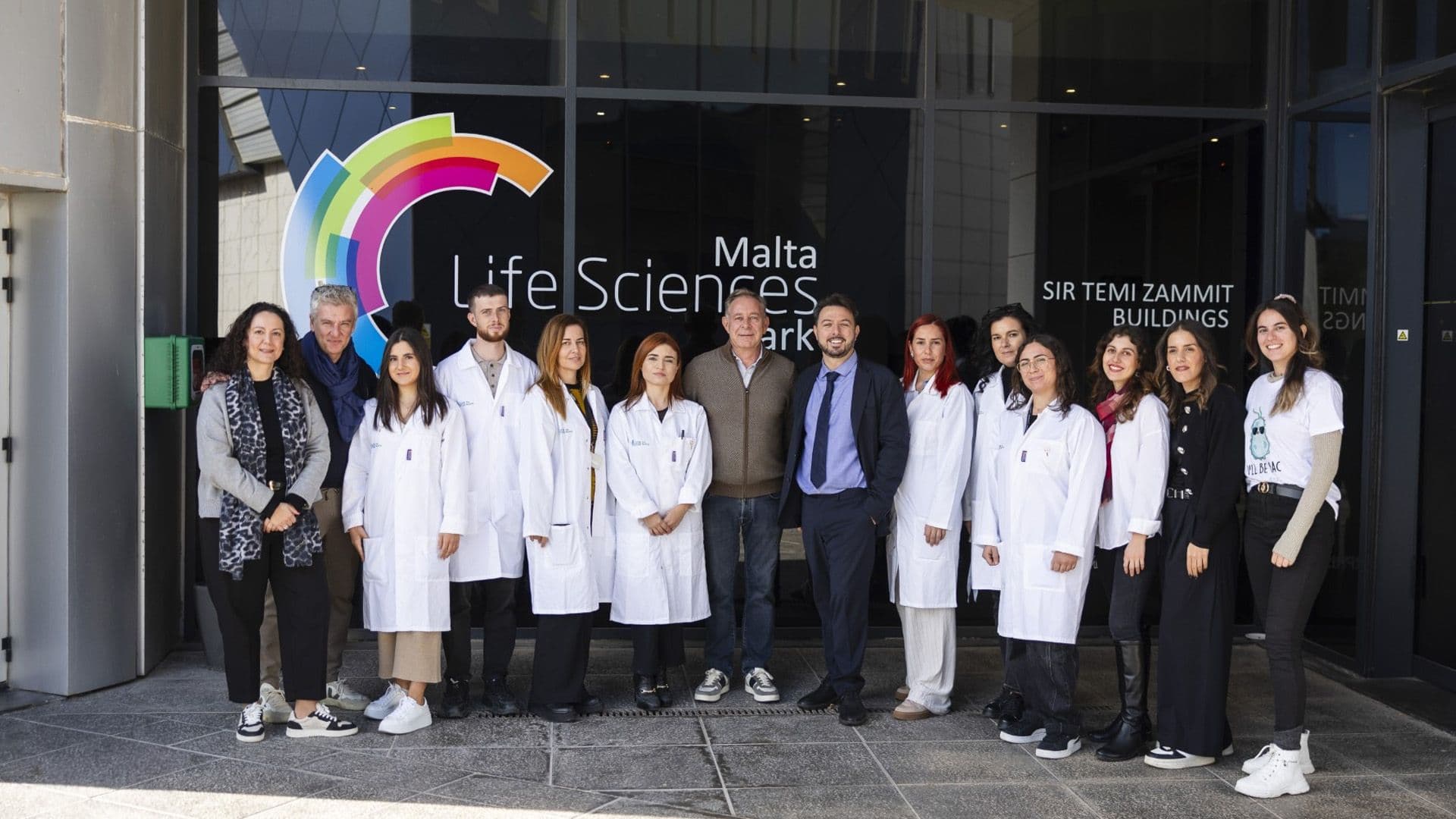
The Bio Arte, the Maltese–Greek–Italian laboratory led by molecular biologist and nutritionist Dr. Manuele Biazzo, has extended its clinical-grade microbiome platform to the vaginal ecosystem — ISO 9001:2015 certified operations, licensed diagnostics, and interpretation carried out personally by a scientist.
Why a standard swab tells only part of the story
A conventional culture is designed to answer one question: is a specific organism present, yes or no.
It was never designed to describe an ecosystem — which species dominate, which are quietly expanding, how much diversity there is, and whether the protective community is holding its ground.
That is a different question, and it needs a different method.
What is actually measured
Each sample is read with Nanopore shotgun metagenomics: a deep, multi-kingdom view — bacteria, fungi and beyond — run under documented quality thresholds, external quality controls and a reference database of over 100 million sequences.
The analysis maps the balance of the intimate ecosystem: the degree of Lactobacillus dominance, which species are carrying that dominance, and the taxa that tend to displace it when the environment shifts.
This is not a basic panel with a colour-coded score. It is the same sequencing depth the laboratory applies to its research work.
What is actually interpreted
Data alone changes nothing.
The second half of the method is a scientist reading that data in the context of the individual person.
The report translates the ecosystem into language a woman can actually use: what the balance looks like today, which patterns are worth attention, and practical nutritional and supplement guidance built around that specific profile — with three-month targets, so progress can be re-checked rather than assumed.
Every reading is evidence-graded, and every claim is anchored to published literature.
Where it tends to matter most
Women who consider this analysis are usually in one of a few situations:
repeated cycles of intimate discomfort that keep returning after treatment; a phase of hormonal transition, from post-partum to perimenopause and menopause; preparation around fertility and reproductive planning; or simply a decision to understand a part of their own biology that has never been properly explained to them.
In all of these, the aim is the same — informed choices, not alarm.
An important boundary
This is an analysis, not a diagnosis, and it does not replace a gynaecologist.
The guidance it produces concerns lifestyle, nutritional and supplement choices. Where a clinical decision is needed, that decision stays with the treating doctor — and the report is written so that the doctor can read it too.
Speak to the scientist first
Dr. Biazzo continues to offer free, no-obligation introductory consultations to the public — a one-to-one conversation in which he listens to the individual situation and helps the person understand whether a microbiome-based path is genuinely useful for them, before anything else.
There is no payment and no commitment; slots are limited and subject to laboratory capacity.
To learn more about Dr. Manuele Biazzo and his scientific work, visit:
https://www.manuelebiazzo.com/
To book a free introductory consultation, use the Calendly link:
https://calendly.com/m-biazzo/introduzione-supporto-microbiota-nella-partica-clinica?month=2026-09
To explore available tests and personalised pathways, visit the Centro Toscano Microbiota website:
https://www.centrotoscanomicrobiota.com/
#MaltaDaily