

Sparking a national conversation on skills: National Skills Strategy 2026-2035
Choosing what to study. Thinking about switching careers. Learning something new later in life. Today, skills shape almost every life decision we make, and they are becoming even more important for Malta’s future.
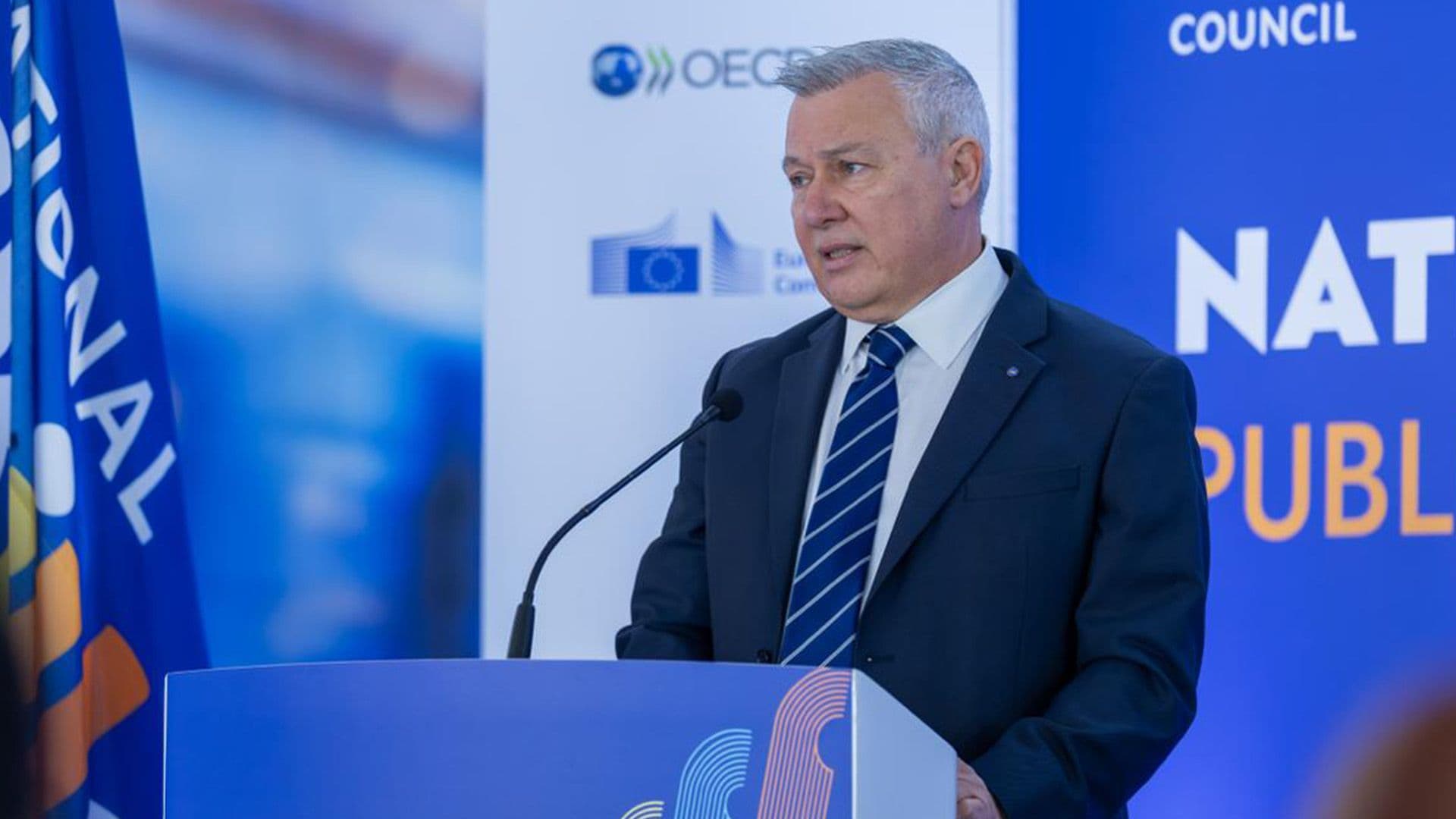
This week, Malta has officially launched its National Skills Strategy 2026–2035 for public consultation, setting out a long-term plan for how people will learn, work and build their futures in a world that is changing faster than ever. Feedback is welcomed on the National Skills Council (NSC) website.
This strategy is not just about schools or exams. It is about helping people stay
confident, adaptable, and ready for change throughout their lives. The idea is simple: learning does not stop when school ends. It continues throughout life, in different ways and at different stages. This strategy is not intended to be a static document, but a living framework shaped by evidence, partnership and public engagement.
Why skills are the focus
Skills are at the centre of Malta’s long-term vision for the future. Large global
changes, such as digital technology, the green transition, and an ageing population, are already changing the way we live and work. Malta’s goal is not just to react to these changes, but to use them as opportunities to create better jobs, a stronger economy, and a better quality of life.
Malta has already made strong progress in education and employment. Early school leaving has dropped significantly, more people are pursuing tertiary education than ever before, and adult learning has increased. At the same time, Malta has one of the lowest unemployment rates in Europe, while many companies are looking for more workers. But challenges still exist, especially when it comes to finding people with the right skills for today’s and tomorrow’s jobs.
This is where the new strategy comes in, emphasising that skills are the bridge
between today’s challenges and tomorrow’s opportunities.
The strategy looks at the whole learning journey; from early education, to vocational training, to adult formal and non-formal learning. It highlights the importance of not only technical skills, but also transversal skills like problem-solving, creativity, critical thinking, and adaptability, which are the skills most in demand.
A strategy built with experts and stakeholders
The development of the strategy is funded by the European Commission’s Technical Support Instrument and supported by the technical expertise of the OECD Centre for Skills. The NSC led the process nationally, engaging ministries, agencies, social partners, industry representatives, and education providers through consultation workshops and bilateral meetings.
Eight priority areas for the future
The strategy is built around eight main areas that cover the entire skills journey, from understanding what skills Malta will need in the future, to making sure people can learn those skills, to prioritising the use of these skills at the workplace.
These priorities include:
-Improving skills forecasting and creating a Malta Skills Observatory
-Providing better career guidance and skills information
-Supporting educators and school leaders
-Strengthening digital, green, and transversal skills
-Encouraging more adult learning and upskilling
-Promoting workplaces that support learning
-Making better use of Malta’s talent
-Strengthening coordination between different institutions
What happens next?
The strategy will be followed by an Action Plan that will turn the recommendations
into concrete actions, with clear responsibilities and timelines. Progress will be
monitored to make sure the strategy continues to adapt as Malta’s economy and
society change over time. But before that, there’s one important step:
Your voice.
The launch of the strategy is the start of a national conversation about skills
anticipation and skills development in Malta. Students, workers, employers,
educators, and the public are all invited to take part in the consultation and share
their feedback on https://nscmalta.gov.mt/national-skills-strategy.
Because in the end, skills are not just a Government’s priority nor an individual’s
responsibility alone but a shared national effort aimed at shaping a better future for us all.
#MaltaDaily
