SKILLS, NOT JOB TITLES, ARE THE FUTURE OF WORK IN MALTA
Much of the discussion about the future of work focuses on predicting the jobs of tomorrow. In reality, careers will continue to evolve in ways that are hard to foresee. What remains constant is the importance of skills.
The real opportunity lies not in anticipating a single career path, but in building adaptable skills that can open doors across multiple sectors. Today’s global economy is shaped by rapid change. Geopolitical tensions, technological advances, shifting business models, and the transition to sustainable practices are reshaping industries.
The World Economic Forum warns that many core skills will evolve in the coming years, highlighting the growing importance of adaptability and continuous learning. For those starting their careers, this creates a chance to follow dynamic paths supported by skills that remain relevant even as industries change.
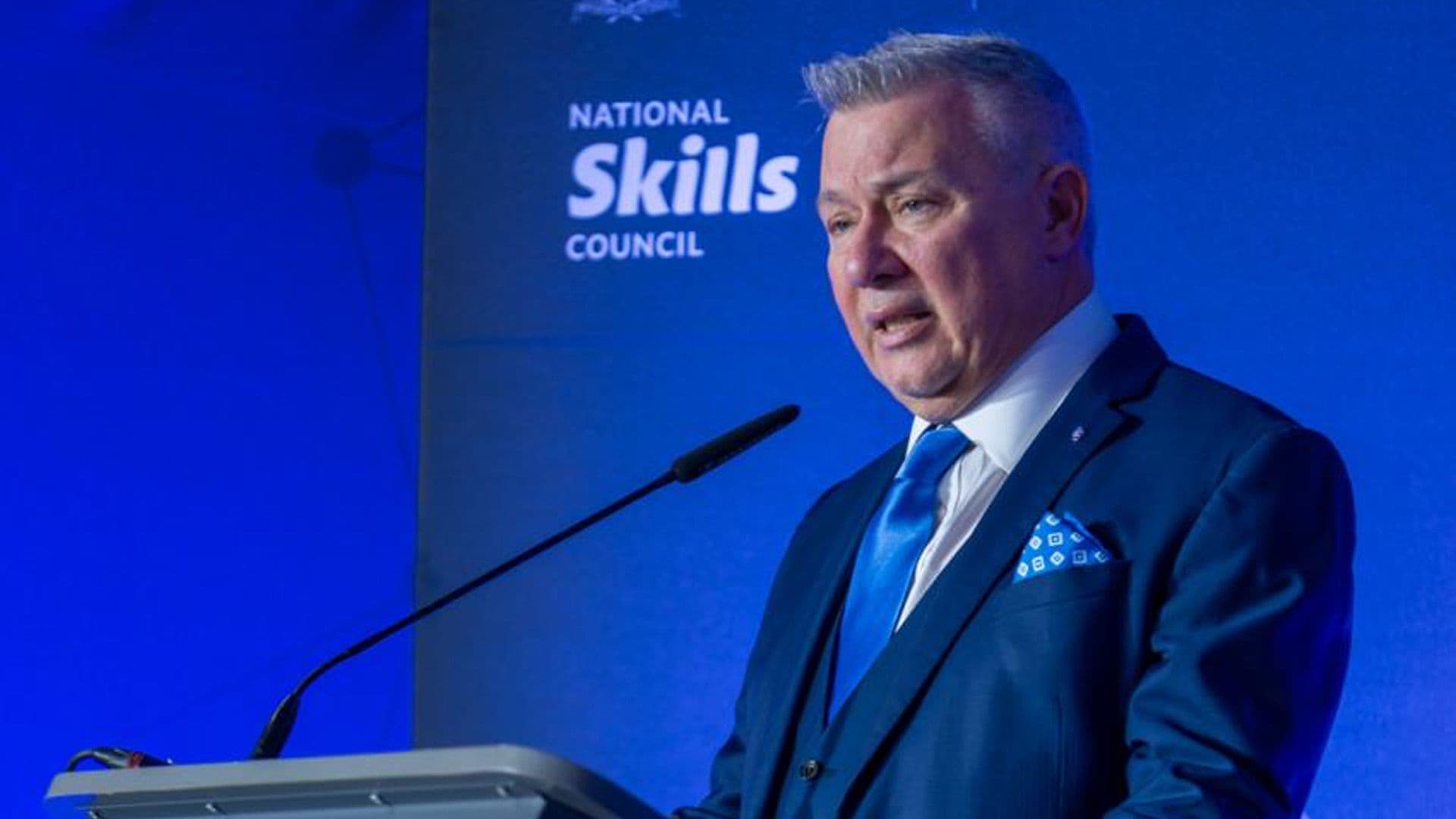
This perspective featured prominently at Careerscape, organised by the National Skills Council. Students, educators, industry representatives, and policymakers explored how Malta can align education, training, and employment in a changing environment.
Workshops focused on sectors such as digital services, finance, arts, hospitality, and manufacturing. A clear message emerged: technical knowledge is important but not sufficient. Transferable skills like critical thinking, communication, adaptability, and continuous learning are increasingly valued across roles and sectors.
This approach aligns with Malta Vision 2050, which prioritises a resilient, inclusive, and future-oriented economy. Skills development must also keep pace with international trends to maintain competitiveness.
Initiatives like Careerscape are vital in fostering dialogue between education and industry, building a forward-looking skills ecosystem. The future of work is not defined solely by available jobs but by the capabilities individuals bring to them. Success begins with skills.
#MaltaDaily