Secret Passages Beneath Valletta: Fact or Legend?
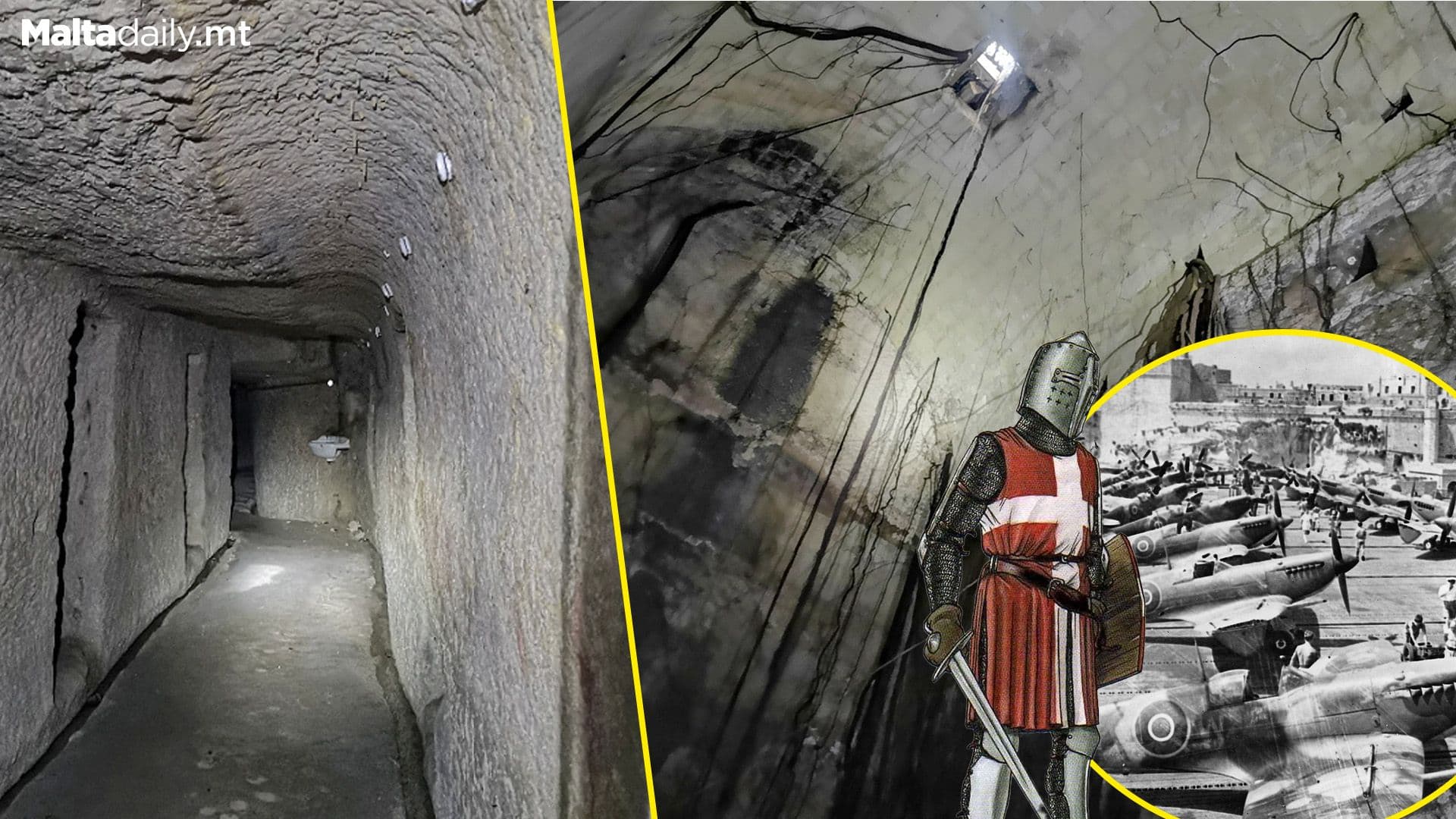
Beneath the streets of Malta’s capital lies a fascinating network of tunnels and underground chambers. Some are well documented and were vital to the city’s history, while others remain the subject of legend and speculation.
The Origins of Valletta’s Tunnels
When the Knights of St John built Valletta in the sixteenth century, they created underground systems for water storage, drainage and the safe movement of soldiers and supplies. These structures, carved into the island’s soft limestone, formed the first layers of Valletta’s subterranean world.
Wartime Shelters
During the Second World War, many of these spaces were adapted as air raid shelters. Families sheltered underground during heavy bombing raids, often for hours at a time. Old cisterns and quarries were enlarged to provide protection, turning Valletta’s underground passages into a lifeline for its citizens.
The Lascaris War Rooms
One of the most famous underground sites is the Lascaris War Rooms, built between 1940 and 1943. Hidden beneath the Upper Barrakka Gardens, this secret headquarters was where the defence of Malta was directed and where Allied leaders later planned the invasion of Sicily in 1943. Today, the complex operates as a museum that preserves this remarkable chapter of wartime history.
Stories and Legends
Alongside these well-documented sites, there are tales of further secret passages stretching beneath palaces, churches and fortifications. Some accounts suggest forgotten tunnels leading to chapels or escape routes, though many of these stories remain unproven and belong more to folklore than to archaeology.
#MaltaDaily
Photo Sources: Maltatina