

Scammers Follow The Headlines: How To Keep Your Money Safe When The News Makes Everyone Nervous
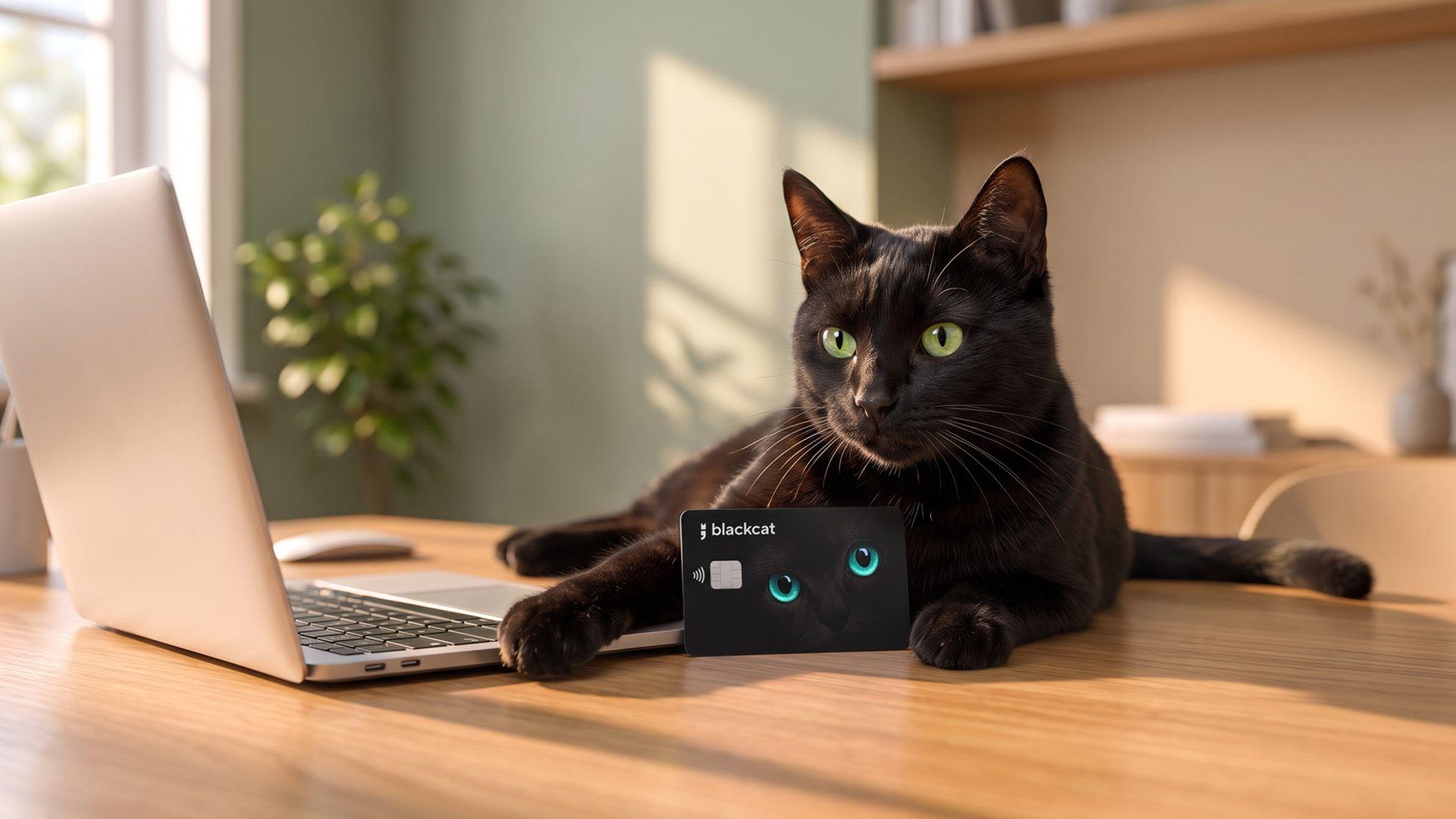
The past few weeks have brought a record crypto exchange hack, hacked supermarket fridges, a two-day outage at a major cloud service, grounded flights and official advice to keep supplies for 72 hours. When the news looks like this, people start to worry about their money, and scammers count on that. Blackcat app, a Malta-based fintech, explains how fraud feeds on uncertainty and what helps people recognise it in time.
Why uncertainty helps scammers
Most scams work because a person reacts before they have had time to think, and a worried person reacts faster. That is why every alarming story is followed by messages that borrow it as a reason to act: your account is at risk, your card is blocked, your savings need protecting today.

The pattern behind almost every scam
Whatever story the message uses, nearly every scam combines three things: someone you trust, urgency, and a request for money or credentials. The "someone" may be your bank, the police, a delivery company or a relative. The urgency is a deadline or a threat. The request is a transfer, a password or a code from your phone.
"Real organisations expect you to check. Only scammers need you to act before you think," says Olegs Cernisevs, CTO at Blackcat. "If all three things appear together, stop and verify before you do anything."
What it sounds like
The best-known version is the "safe account" call. Someone who says they are from your bank's fraud team tells you that your account is under attack and that the only way to protect your money is to move it to a secure account they have opened for you. They sound professional, they may know some of your details, and the number on the screen can look genuine. They ask you to stay on the line and not to discuss it with anyone.
That account belongs to the fraudster. No genuine bank or payment provider will ever ask a customer to move money to keep it safe.
The same script arrives by text and email: a blocked card that must be confirmed within two hours, a suspicious login that needs your password, a refund waiting for your bank details.

What helps
The most useful habit is to slow down, because a scam only works while you are being rushed. A few simple rules cover most situations:
- Never log in through a link in a message. Open the app or type the address yourself.
- Hang up and contact the organisation through its app or official number, not the one the caller gave you.
- Never share a password, PIN or verification code, however convincing the story.
- Do not rely on caller ID. Numbers can be made to look official.
If it has already happened
Act quickly, even if it feels embarrassing. Stop all contact, send nothing further, and tell your bank or payment provider straight away: the first minutes give the best chance of recovery. Change your password if you shared it, and keep the messages and screenshots as evidence.
Be wary of anyone who then offers to recover your money for a fee. That is a second scam aimed at people who have just lost money. Anyone can be caught out: these schemes are run by professionals.

How Blackcat contacts its customers
Blackcat's support works through the 24/7 chat inside its app. The company never asks for a password or a full verification code, never asks customers to move money to a "safe account" and never pressures them to act within minutes. Customers who are unsure about a message can send a screenshot to the in-app chat and have it checked.
More guidance is available at help.blackcat.app/docs/fraud-online-safety
About Blackcat
Blackcat is a European fintech platform that combines everyday financial services — EUR IBAN accounts, SEPA transfers, cards, free internal account-to-account money transfers, cashback and bonuses — in a single multi-wallet application. Fiat services are powered by Papaya Ltd, an Electronic Money Institution authorised and regulated by the Malta Financial Services Authority and a direct SEPA participant. Registration number C55146. Client funds are safeguarded in accordance with applicable legislation. Funds held in e-money accounts are not covered by the Depositor Compensation Scheme. You can get more information about terms and conditions on the website blackcat.app. The bonus payment is a part of the loyalty program provided by Baltic Technology Solutions OU.
AD | www.maltadaily.mt x Blackcat
