

PN Calls For More Private Sector Jobs & Economic Diversification In Gozo
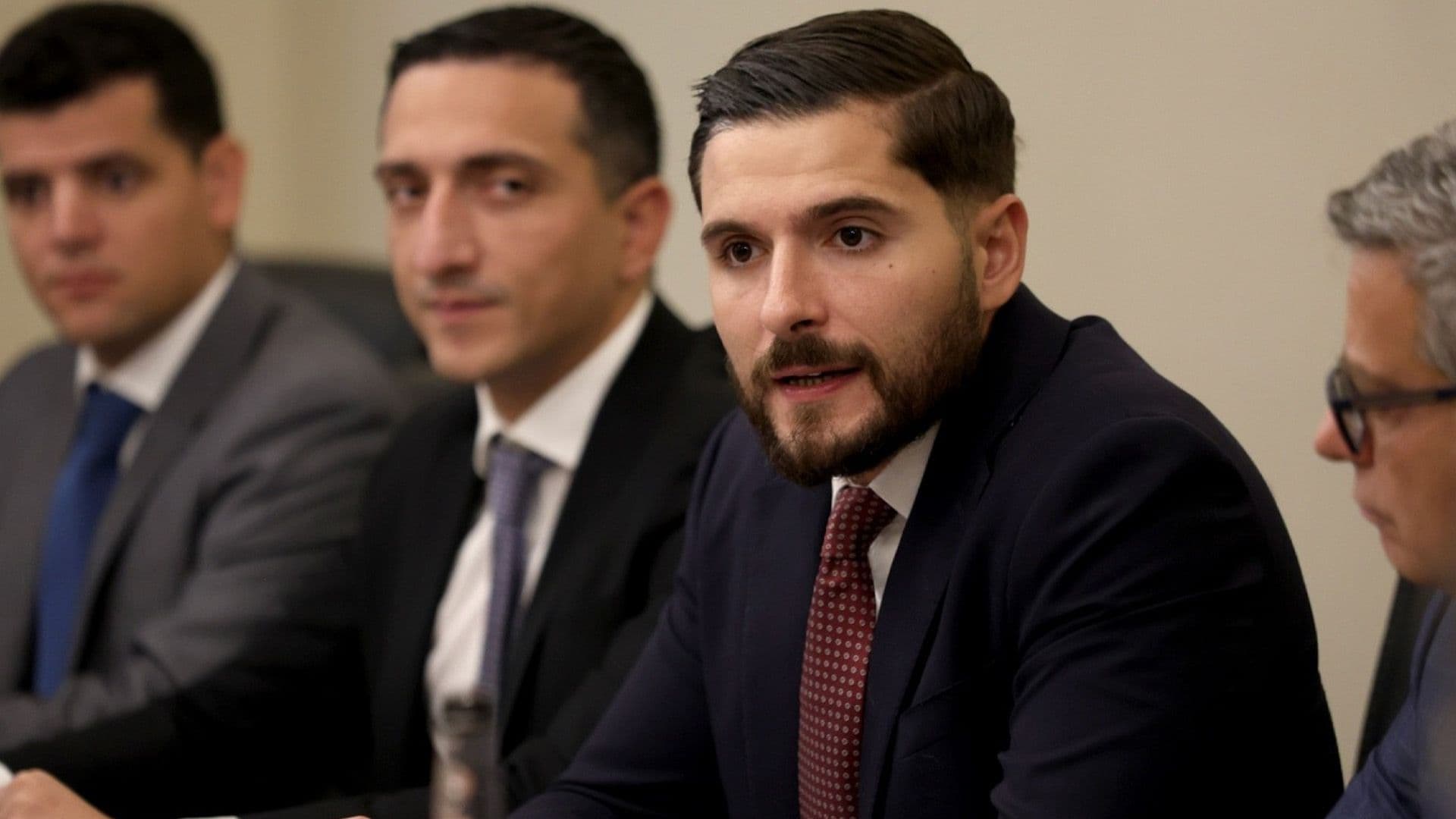
Opposition and Partit Nazzjonalista Leader Alex Borg said Gozo needs a more diversified economy that creates productive, private sector and well-paid jobs, arguing that more Gozitans should be able to build their careers on the island rather than commuting to Malta for work.
Borg made the comments during a meeting with the Gozo Regional Committee within the Malta Council for Economic and Social Development (MCESD), where the committee presented its proposals for Budget 2027 and discussed its long-term vision for Gozo's economy.
According to the PN, the meeting focused on connectivity, healthcare, education, investment, infrastructure and governance, with Borg saying several of the committee's proposals align with the party's electoral vision for Gozo. Among the areas of agreement, Borg highlighted the expansion of Mġarr Harbour, improved sea connectivity through an environmentally friendly fleet, a logistics hub, a new hospital for Gozo, an innovation hub, greater investment in MCAST, the University of Malta's Gozo campus and the Institute of Tourism Studies, as well as stronger regional status for the island.
Borg said better connectivity should not only address Gozo's double insularity but also support wider economic growth by creating more professional opportunities on the island. He argued that Gozitans should travel to Malta for work only if they choose to, rather than because they have no alternative.
Referring to figures presented by the committee, Borg noted that while Gozo's economy grew from €615 million in 2020 to €993 million in 2024, its share of the national economy remained at around 4.3%. He also pointed to what the committee described as a growing gap between the number of employed Gozitans and the number of jobs available in Gozo.
Committee President Michael Galea said the group's 30 Budget proposals focus on five main areas: connectivity and infrastructure, energy and climate, healthcare, economic diversification, and education and human capital. He said Gozo should reduce its dependence on tourism, construction and the public sector by expanding into new industries.
During the discussion, committee members also raised concerns about private sector workers moving into government employment, investment in Gozo's transport infrastructure, the need for greater investment in healthcare, regional decision-making powers, and the resilience of the island's electricity system.
