Organ Transplants In Malta Could Increase By 50%
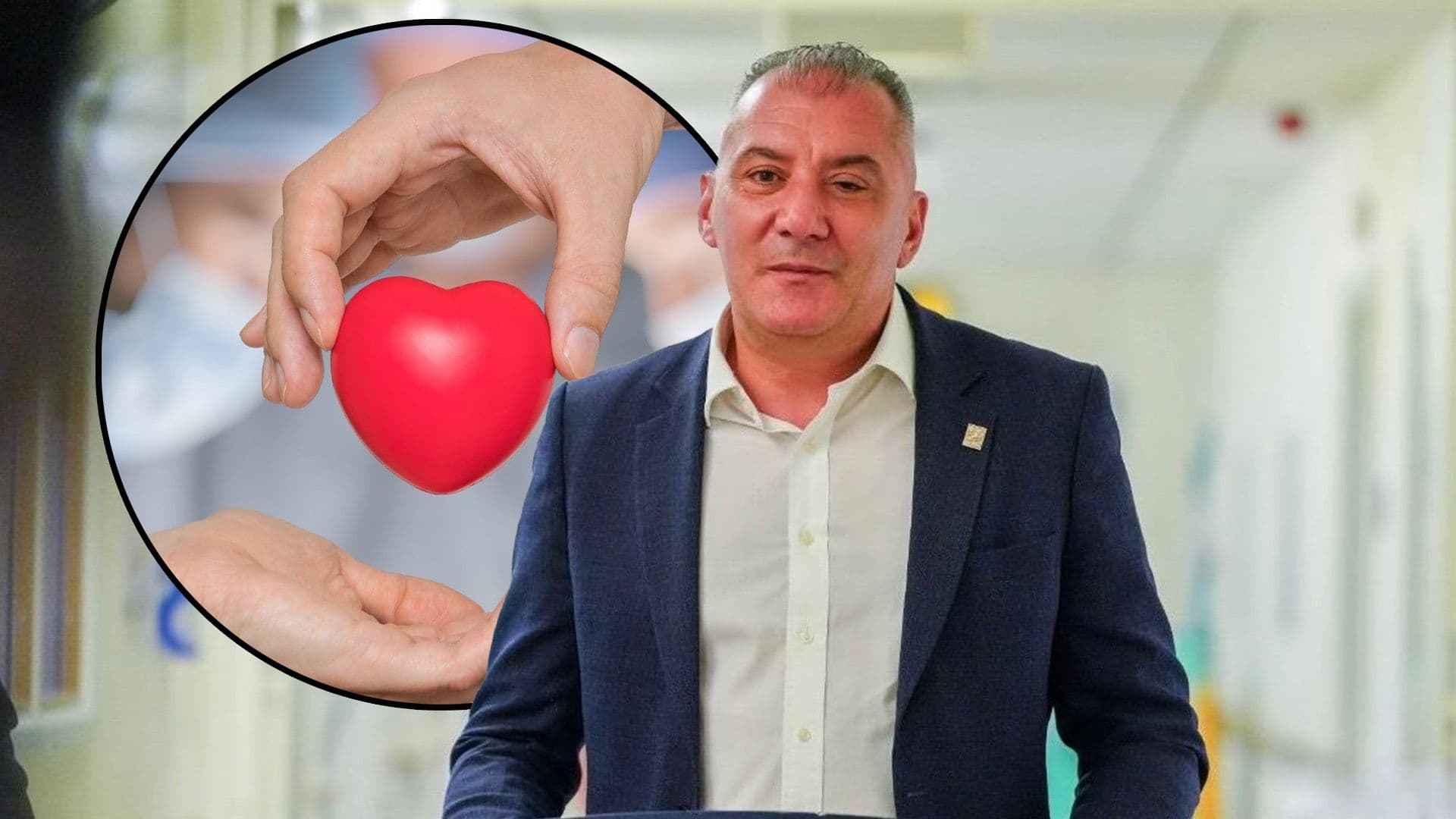
Health Minister Jo Etienne Abela Announces “Revolution” in Malta’s Organ Donation System
In an exclusive Malta Daily in-depth interview inside his office, Health Minister Jo Etienne Abela outlined what he describes as a “revolution” in Malta’s approach to organ donation, a reform that could drastically increase transplant rates and save many more lives.
Today, Maltese law limits organ retrieval to very specific cases. Organs may only be taken from individuals who pass away in the Intensive Therapy Unit (ITU) at Mater Dei Hospital, or in the Gozo General Hospital ITU, and who are certified as brain dead. Brain death occurs when a catastrophic brain injury irreversibly destroys the part of the brain responsible for consciousness, a process from which there is no return.
While this system has allowed many lives to be saved, for example through kidney, cornea, heart, lung, intestine, liver and pancreas transplants, the Minister said it remains limited. Kidney patients in terminal stages currently wait around 40 months for a transplant, during which they must undergo dialysis three times a week for hours at a time. “It’s not easy, and it’s far from a normal life,” he explained.
Addressing one of the most common questions, Minister Abela confirmed that Malta will not be moving to an opt-out system. Many countries use opt-out, where unless a person explicitly refuses donation while alive, the State assumes consent. Malta, however, will keep the opt-in model, where individuals voluntarily register as organ donors. The Minister stressed that organ donation must remain a free and altruistic choice, not a decision imposed by the State. Even with opt-in, however, medical teams always consult the patient’s loved ones before proceeding, something that will not change. “You don’t just walk in and take organs,” he emphasised.
The true “revolution”, Minister Abela explained, comes with Malta considering the introduction of Donation After Circulatory Death (DCD). Currently, organ donation in Malta is almost exclusively from brain-dead patients, a rare occurrence. But the most common type of death encountered by medical teams is circulatory death, when the heart stops following an incident.
Under the proposed system:
1. If a person suffers a cardiac arrest, specialists will always perform full CPR and all existing resuscitation protocols. Nothing will change in the attempt to save a life.
2. Only after every possible medical intervention has been exhausted, and the heart still does not restart, is death confirmed.
3. At that point, doctors may speak to the patient’s relatives about the possibility of organ donation.
4. Even if the person is already registered as an organ donor, the family will always be consulted.
DCD could increase Malta’s organ transplant rate by 40%–50%, the Minister said, a major leap that could give dozens of people a second chance at life each year.
The Minister confirmed that the Government, Opposition representatives, and both the Malta and Gozo dioceses of the Church have reached broad agreement:
* They all support the introduction of DCD.
* They all reject opt-out in Malta’s context.
* They all recognise organ donation as an act of generosity that can transform society.
The Church leaders, including the Archbishop and the Bishop of Gozo, agreed that organ donation is a “beautiful gesture” and supported the ethical direction of the reform. Opposition MP Ivan Bartolo initially pushed for an opt-out system, and the Minister said he had even considered it at first but after discussions with Church authorities, both sides aligned behind opt-in + DCD instead.
The Minister also clarified an important point:
Whether or not a person is registered as an organ donor, doctors will still approach their family after death if organ donation is possible. Being on the register simply makes the process faster and clearer.
He emphasised the urgency of timing:
After circulatory death, the brain dies within seconds, and other organs begin deteriorating rapidly.
Acting quickly is essential to save lives especially kidneys, corneas, lungs, liver and other transplantable organs.
From one tragedy, Minister Abela explained, many lives can be transformed. Two kidneys alone can free two patients from dialysis and restore normal life. Cornea transplants can cure blindness. Other organs can give people years, even decades, of added life. “This is why it is a revolution,” he concluded. “And why we encourage more people to consider registering as organ donors.”
#MaltaDaily