

New Study Reveals Greek Origins Of Malta’s European Cat Snake
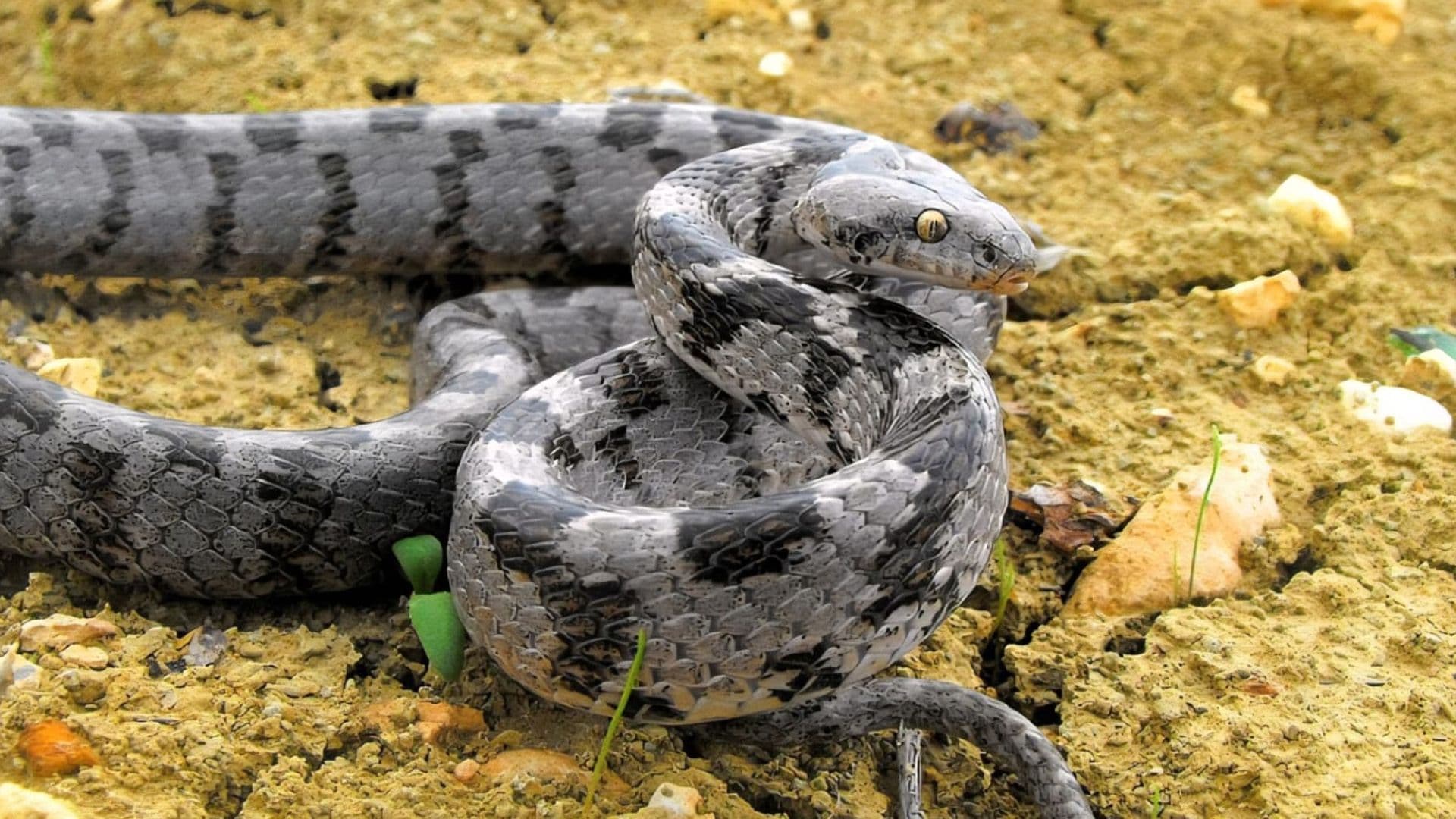
A newly published scientific study has shed light on the origins of the European Cat Snake in the Maltese Islands, providing the first genetic confirmation of its biogeographic roots.
The species, known scientifically as Telescopus fallax, has long been the subject of debate among researchers seeking to understand how it arrived in Malta.
The international research team, which included Maltese scientists, carried out mitochondrial DNA analysis on local specimens.
Their findings show that all sampled individuals from Malta and Gozo share an identical genetic profile.
This profile closely matches populations found in southern Greece, particularly the Peloponnese region and the island of Skyros, as explained by one of the co-authors, Sciberras.
The results confirm that the Maltese population belongs to the Balkan Peninsula lineage, formally classified as Telescopus fallax fallax.
The lack of genetic diversity among individuals suggests that the species did not reach the islands through natural dispersal. Instead, it was most likely introduced through human activity.
Researchers note that Malta’s long history of trade and cultural exchange with Greek civilisations, spanning prehistoric, Byzantine and later periods, may have facilitated the introduction of the species.
While earlier theories pointed to a more recent arrival in the twentieth century, historical records indicate that the snake was already present in Malta before then, raising the possibility of an older introduction linked to maritime movement of goods.
Today, the European Cat Snake is relatively widespread across mainland Malta, although it remains uncommon in Gozo, where its presence is believed to result from secondary human-assisted dispersal.
#MaltaDaily
