Maltese Delegation Participates In 71st Annual NATO Parliamentary Assembly In Slovenia

A Maltese parliamentary delegation, comprising Carmelo Abela and Bernard Grech, took part in the 71st Annual Session of the NATO Parliamentary Assembly (NATO PA), held in Ljubljana, Slovenia, from 11 to 13 October 2025.
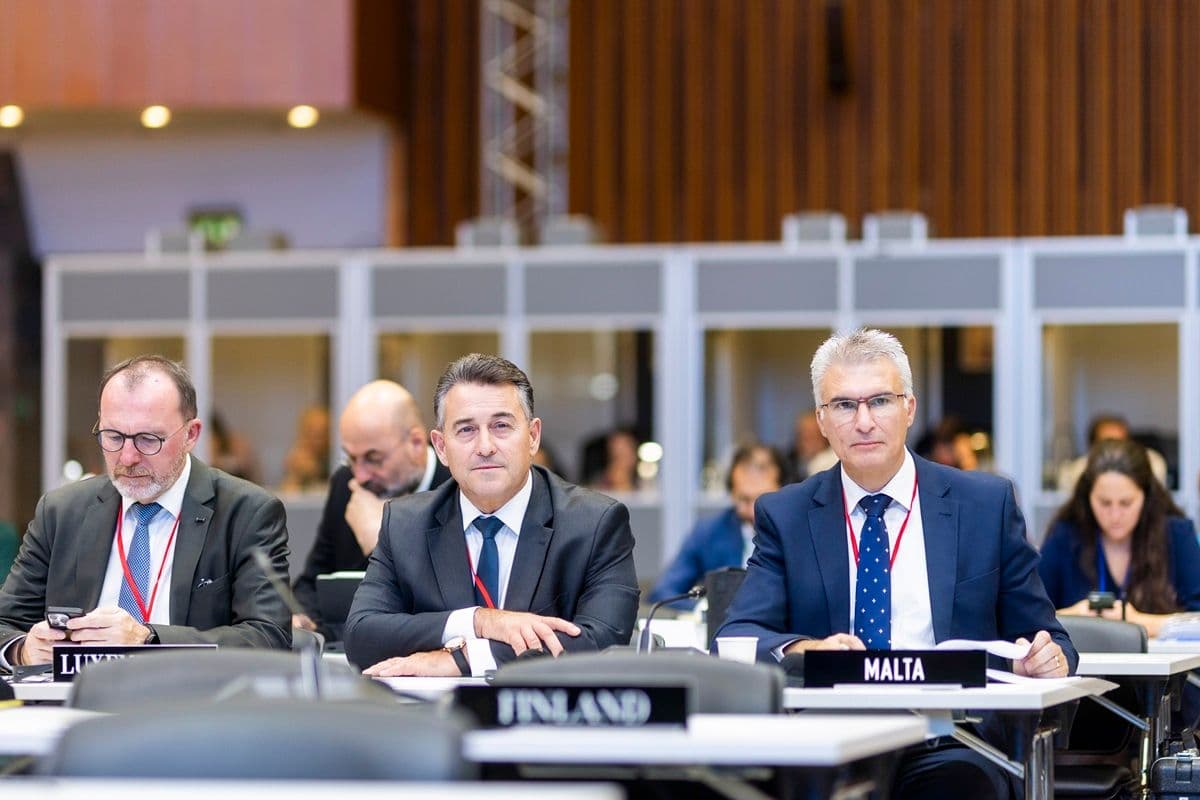
The session convened nearly 300 parliamentarians from NATO member and partner countries to deliberate on key international security challenges.
The NATO Parliamentary Assembly provides an interparliamentary platform for dialogue on security, defence, and economic issues, promoting mutual understanding and cooperation among member states. The Assembly comprises delegates from all 32 NATO member countries, as well as associate and regional partners, Mediterranean Associate Members, observers, members of the European Parliament, and representatives of other interparliamentary bodies.
Work within the Assembly is organised through five standing committees: the Political Committee, Defence and Security Committee, Economics and Security Committee, Science and Technology Committee, and Democracy and Security Committee.
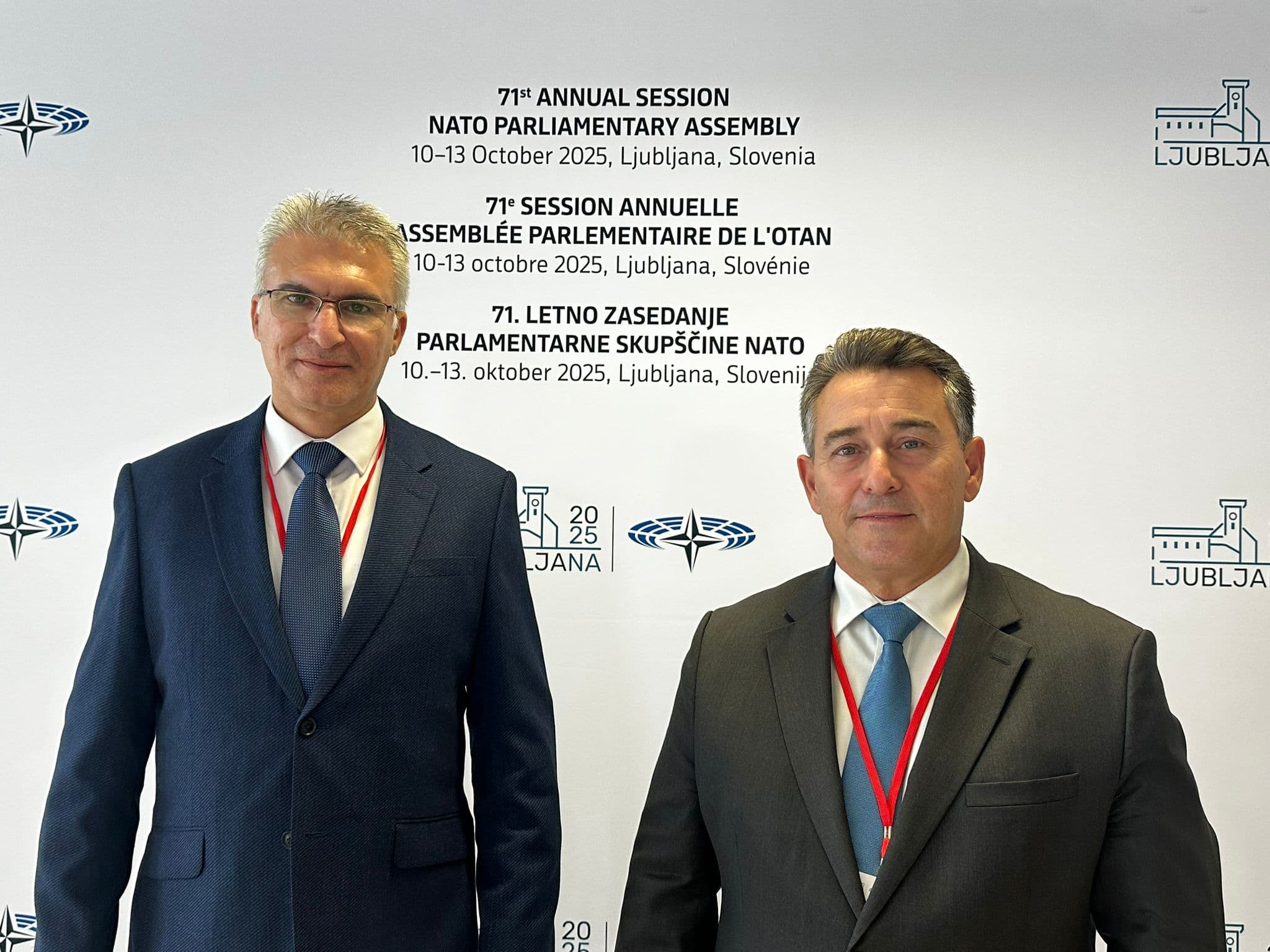
Committee meetings, held on 11 and 12 October, featured in-depth discussions and the adoption of various reports and resolutions. The Maltese delegates participated in the Democracy and Security Committee and Political Committee sessions, with Bernard Grech also attending the Defence and Security Committee.
Topics discussed during the Democracy and Security Committee included Slovenia’s electric power sector and national energy resilience, developments in Bosnia-Herzegovina and Kosovo, the protection of critical infrastructure against hybrid attacks, digital threats to electoral systems, and enhancing cybersecurity and democratic resilience among Allied nations.
The Political Committee addressed Slovenia’s strategic priorities within NATO, European security challenges, and panels on shaping a secure and stable future for the Western Balkans, strengthening NATO’s collective defence, and Ukraine’s ongoing fight for freedom, emphasising the importance of continued Allied support.
During the discussions, Carmelo Abela highlighted the challenges currently facing the Western Balkans and Europe, stressing the importance of preserving citizens’ hope and reinforcing their European aspirations. He reaffirmed that full European Union membership remains the ultimate goal for Western Balkan countries, a process that also serves the EU’s strategic interest in ensuring long-term security and stability across the continent.
Abela called for enhanced regional cooperation among Balkan states through joint initiatives and shared projects to overcome existing challenges and strengthen mutual trust. He warned that a reduced EU presence in the region could create space for other global actors, underlining the Balkans’ vital geopolitical significance at the heart of Europe.
Addressing the broader theme of collective defence and emerging threats from Russia and its partners, Abela emphasised the need for continued diplomacy and open communication channels, particularly with countries perceived to be aligning with Russia, such as China.
“Europe must remain engaged, proactive, and united not only to safeguard our shared values and security, but also to ensure that hope and cooperation continue to define our continent’s future,” Abela said.
The Annual Session concluded with a plenary meeting on Monday, 13 October, featuring addresses by Mr Marcos Perestrello, President of the NATO Parliamentary Assembly; Mr Danijel Krivec, Vice President of the National Assembly of Slovenia; Robert Golob, Prime Minister of Slovenia; NATO Secretary General Mark Rutte; and an online intervention by Ukrainian President Volodymyr Zelenskyy, who provided an update on the frontline in Ukraine.
#MaltaDaily