Malta’s Economy Strengthened By Energy Subsidies & Long-Term Strategy, Says PM
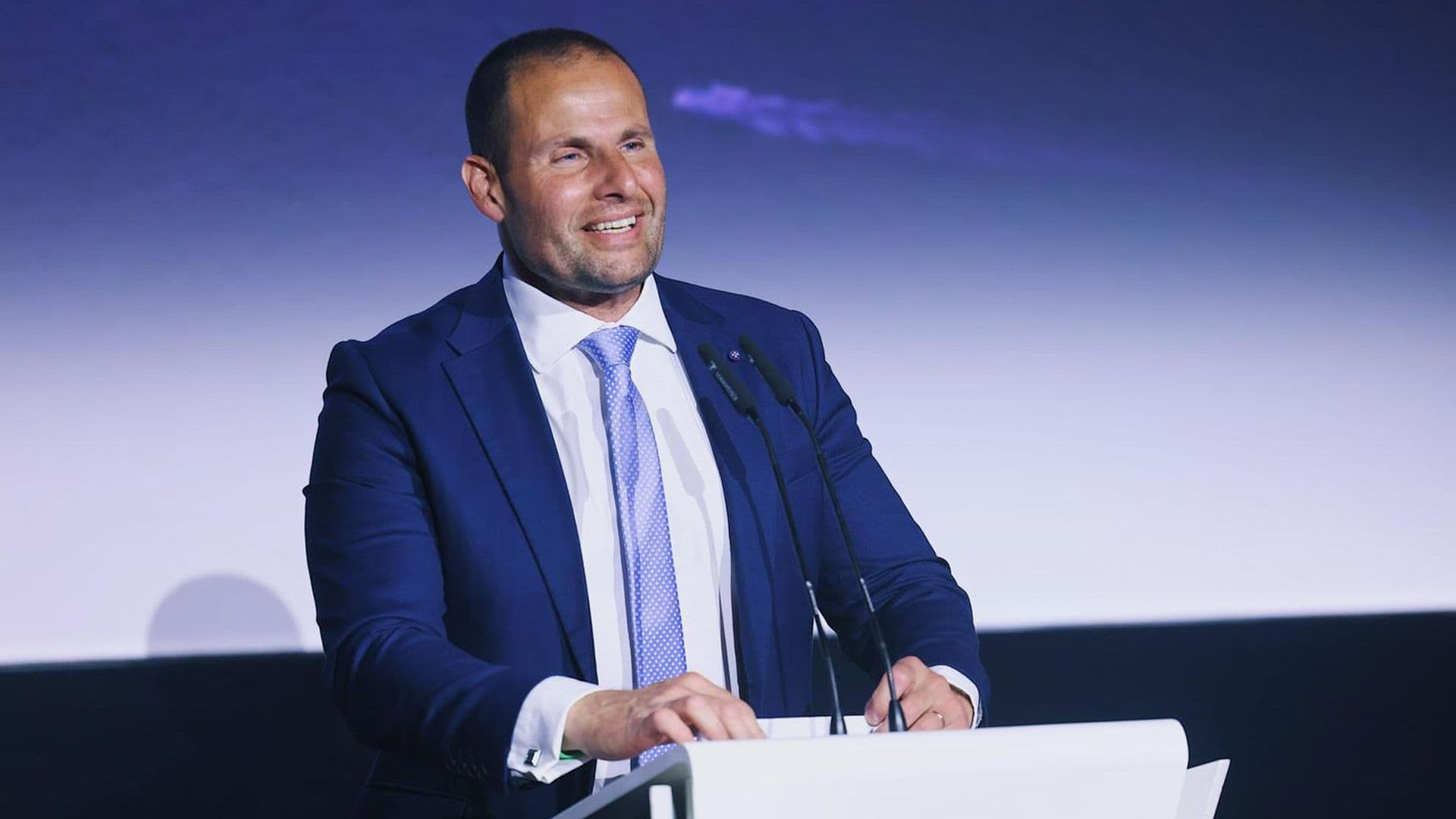
Prime Minister and Labour Party Leader Robert Abela has said that families and businesses in Malta remain protected from external economic shocks thanks to the Government’s policy of subsidising energy and fuel prices, which he said is being maintained through prudent management of public finances.
Addressing a business breakfast held as part of the Labour Party Congress under the theme “A Stronger Malta – Write the Next Chapter”, Abela noted that these subsidies continue to provide stability locally, even as other economies, including the United Kingdom, face fiscal pressures that limit their ability to sustain similar measures.
He stressed the importance of ongoing consultation with social partners, particularly on issues related to work organisation, flexibility and work-life balance. At the same time, he underlined that productivity remains a key pillar of a competitive and sustainable economy.
On economic performance, the Prime Minister highlighted growth across several sectors, including maritime, esports, digital gaming, medtech, aviation and financial services. He also acknowledged the contribution of family businesses and Maltese and Gozitan entrepreneurs to the country’s economic resilience.
Abela referred to the Intrapriża 16 law, which is creating new opportunities for young people to enter the business sector. He said the initiative encourages young entrepreneurs to make use of available support and training to transform ideas into viable commercial ventures.
He underlined the importance of continuity in Malta’s economic direction, stressing that growth must go hand in hand with improved quality of life. He said Malta is in a strong economic position, supported by robust public finances and a controlled deficit, which allows continued investment in people and businesses while addressing emerging challenges with confidence.
Within the framework of Malta Vision 2050, he said economic policy should focus not only on growth but also on broader societal wellbeing. He identified three key priorities, a stronger healthcare system, improved education, and higher disposable income for families, alongside a better overall quality of life.
He added that prosperity should be measured beyond traditional indicators to include wellbeing, as Malta moves towards a more people centred economic model. He concluded that despite global uncertainty, Malta must continue progressing with optimism and prudence to build a resilient economy that delivers more opportunities and a higher quality of life for Maltese and Gozitans.
Deputy Prime Minister and Deputy Leader for Parliamentary Affairs Ian Borg said that although global challenges such as conflicts, artificial intelligence, climate change and competition for resources present difficulties, they also create new opportunities. He stressed the importance of Malta remaining active in European decision making and continuing to leverage its collaborative approach, while highlighting investment, markets and human resources as key economic foundations.
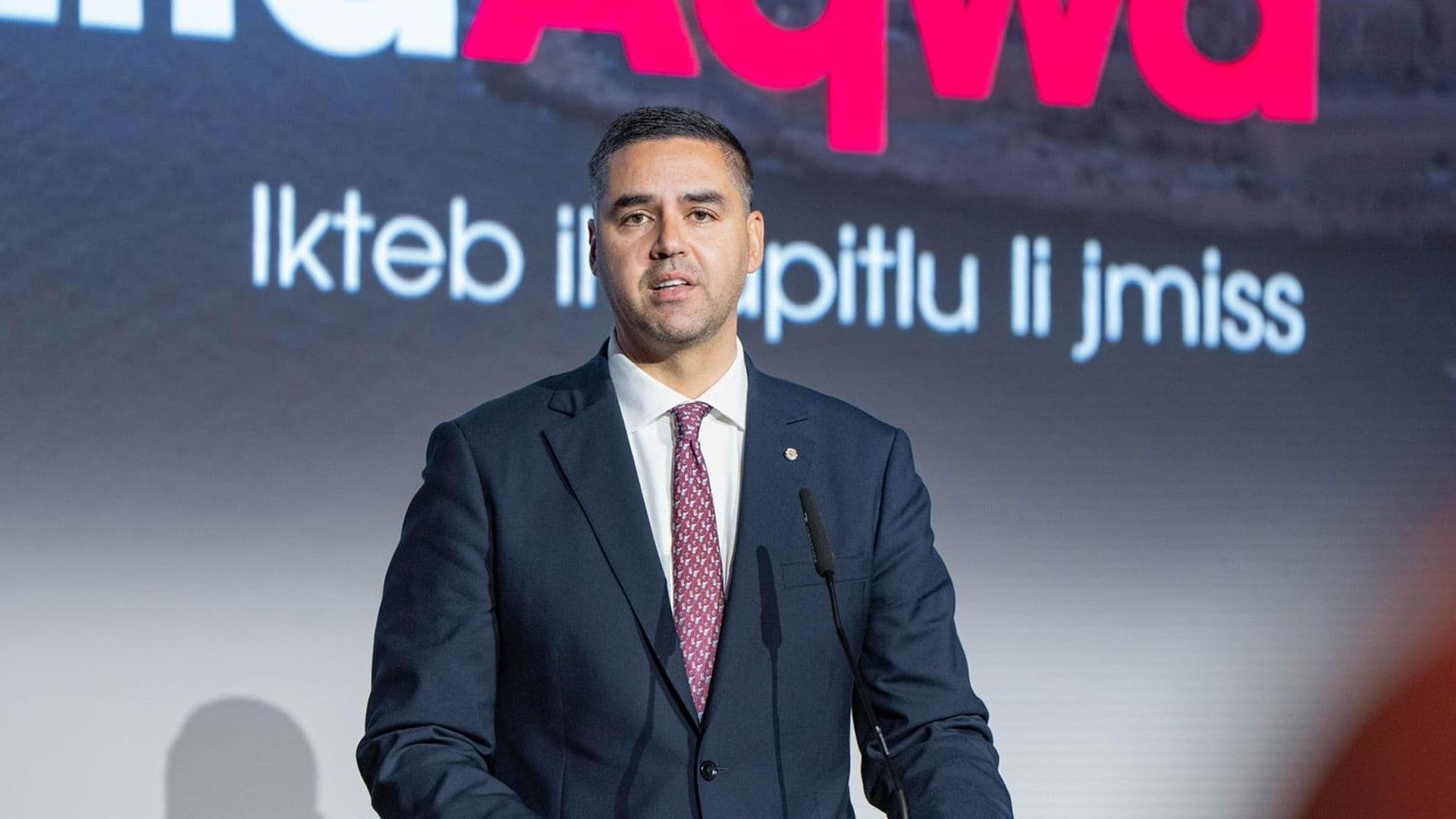
Deputy Leader for Party Affairs Alex Agius Saliba said the success of the past 13 years has been built on inclusive policies that address both economic and social needs. He noted that government support for businesses and the development of new sectors has created additional job opportunities.
He also emphasised the importance of investment in workers, increased productivity and improved quality of life, as well as the role of social dialogue in achieving sustainable growth and social justice.
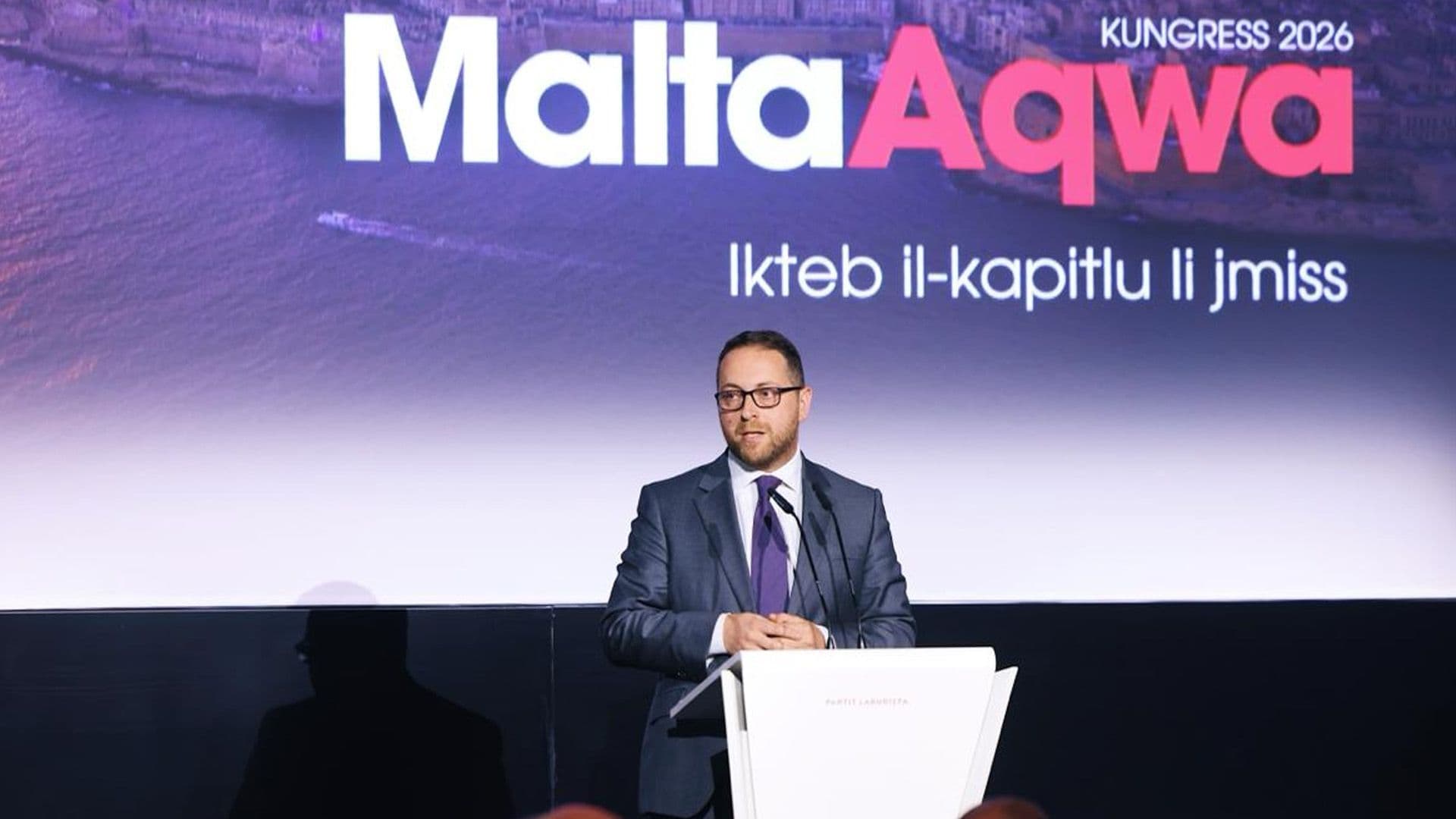
During the business breakfast, experts and professionals took part in discussions alongside audience interventions. Topics included productivity in the digital economy, how companies are adapting to current pressures while maintaining work-life balance, labour migration policy, lifelong learning, the use of open spaces and the importance of education in supporting future growth.
#MaltaDaily