

Malta Appoints Government Envoy For Commonwealth Trade & Investment
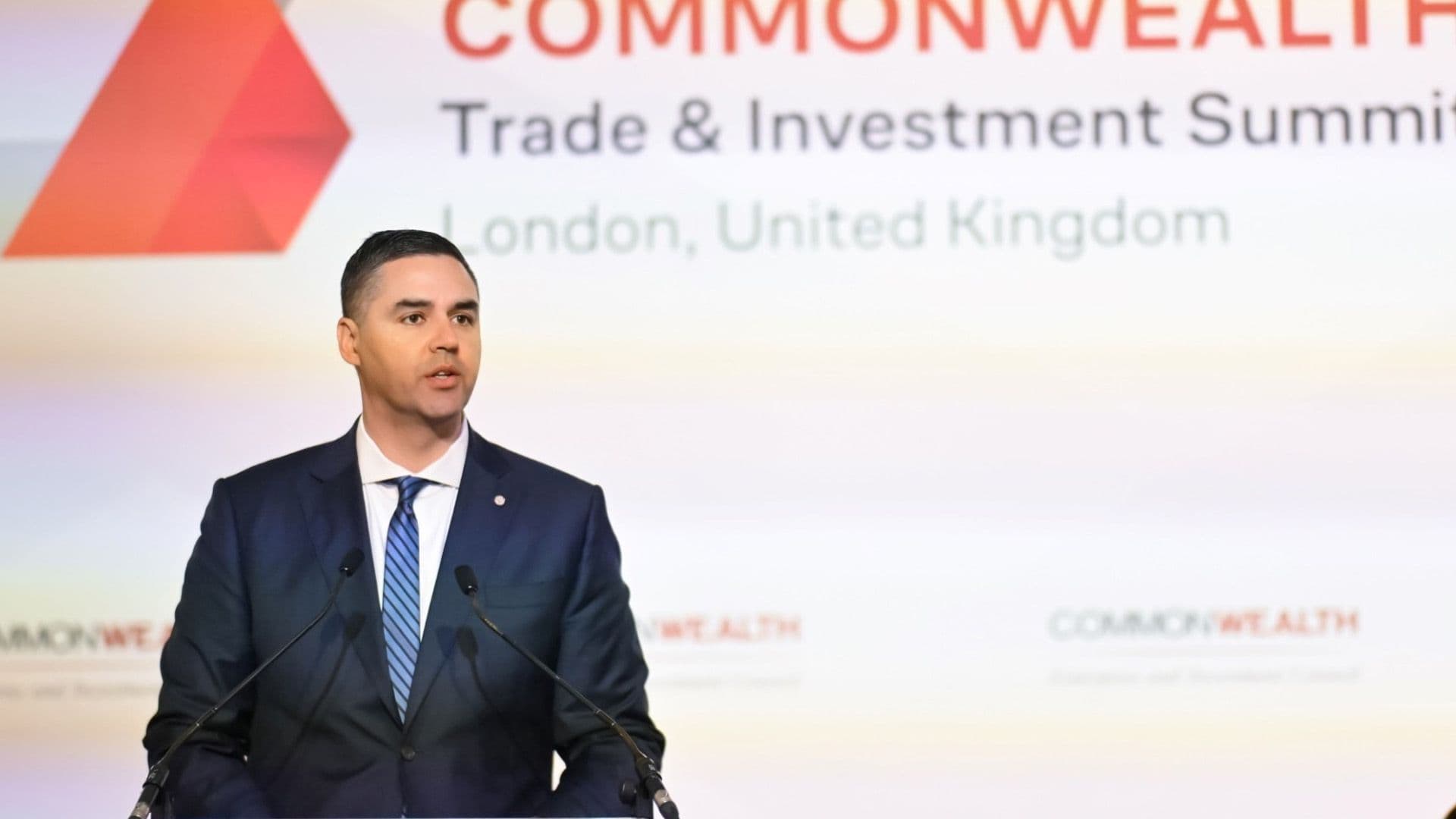
“The question is not whether the established trade system is fragmenting. That is already happening. The question is what we build in its place. Because in a world of uncertainty, readiness is power.” Deputy Prime Minister and Minister for Foreign Affairs and Tourism, Ian Borg, emphasised the importance of secure and trusted trade networks in a keynote address at the opening of the Commonwealth Trade and Investment Summit in London on Monday morning.
He said global trade is being reshaped and is no longer driven only by efficiency or economic returns, but increasingly by security, resilience and strategic positioning. According to him, supply chains are becoming strategic assets rather than purely commercial systems.
“We are moving from globalisation to selective interdependence, from open flows to trusted corridors. Supply chains are now strategic assets, and those who build trusted partnerships, mobilise capital and deliver outcomes will shape the future,” Dr Borg said. He highlighted the role of the Commonwealth network of 56 countries in strengthening these relationships and creating reliable trade links.
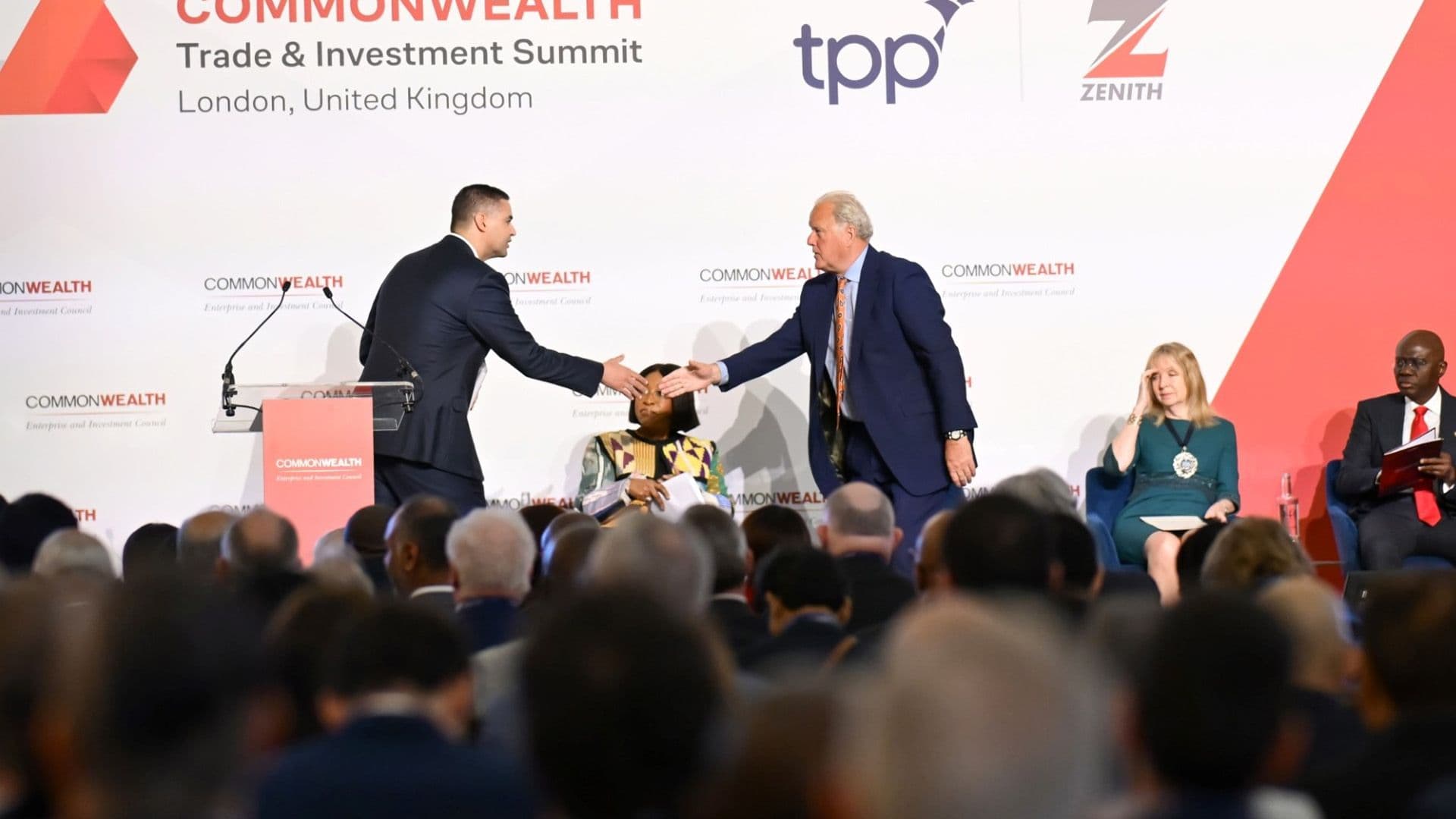
Dr Borg, who also serves as Chair of the Commonwealth Ministerial Action Group, announced that Malta has appointed Dr Michaela Muscat Spaak as its first Government Envoy dedicated to Commonwealth trade and investment. She will work to help Maltese businesses access opportunities and build stronger commercial links across Commonwealth markets.
Looking ahead to CHOGM 2026, Dr Borg urged member states to move from connection to conversion. He called for faster action in building partnerships, unlocking investment and delivering economic growth across the Commonwealth. He said Malta is already following this approach as an open economy positioned between regions, as a member of the European Union and as a natural bridge into the Commonwealth.
He added that Malta has developed key strengths in sectors linked to connectivity, including financial services, logistics, aviation and maritime industries. He said the focus is shifting from volume to value, and that long term success depends on the ability to connect, adapt and deliver. He also stressed the importance of the state in aligning sectors, reducing investment risk and enabling effective delivery.
Through Malta Vision 2050, the country is aiming to build an economy that is more agile, flexible and prepared for a more complex global environment. Dr Borg said this long term strategy is central to ensuring resilience and competitiveness.
He also outlined four key priorities for achieving readiness and resilience. These include building trusted trade networks, directing capital towards resilience, climate adaptation and digital infrastructure, strengthening the effectiveness of the state, and delivering results through partnerships, noting that no single actor can manage these challenges alone.
During his visit to London, Dr Borg also met Lord Marland of Odstock, Chair of the Commonwealth Enterprise and Investment Council, along with other Commonwealth representatives and leaders to discuss future cooperation and investment opportunities.
#MaltaDaily
