

Invisible Violence: When Violence Isn’t Physical
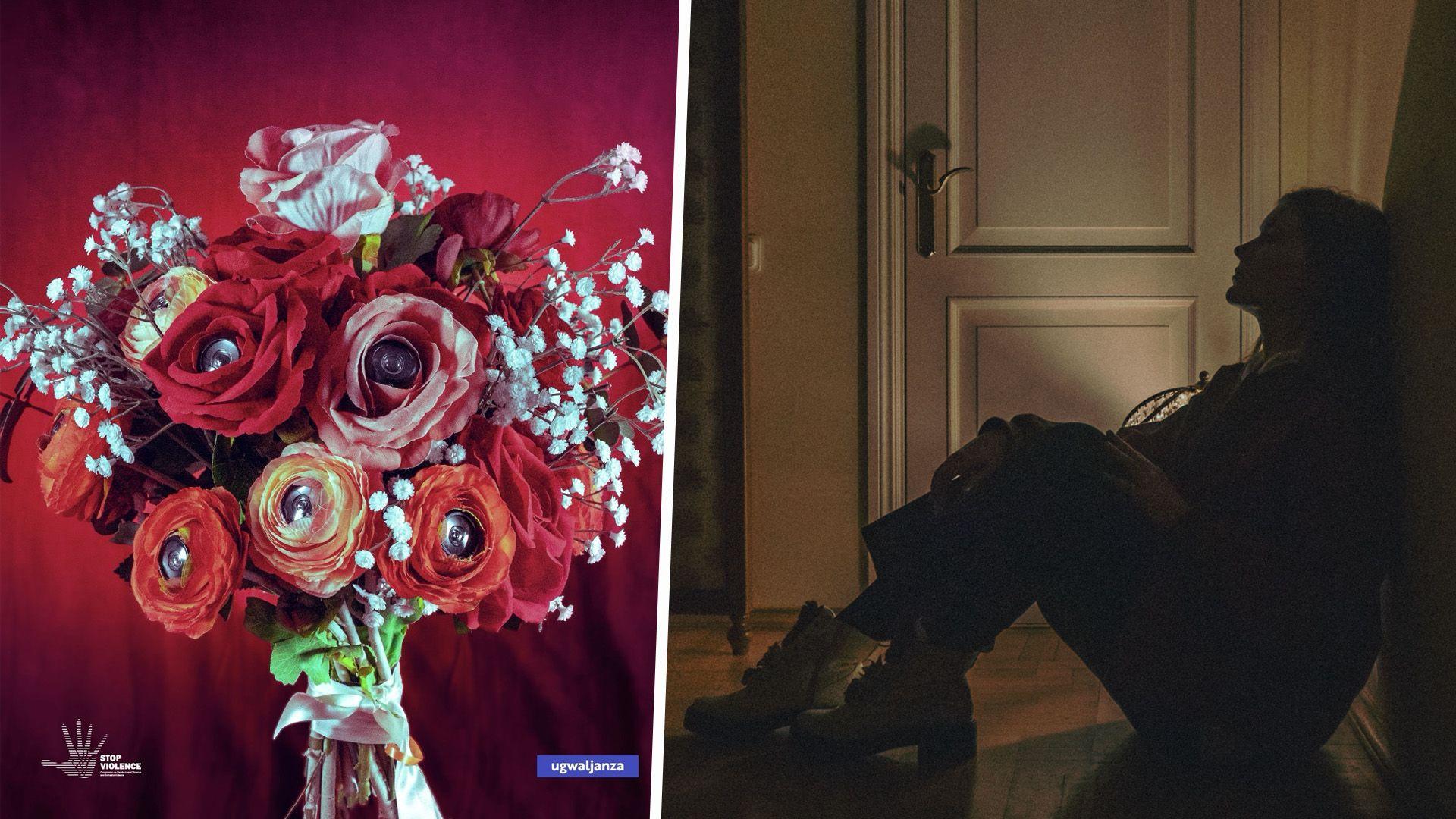
Sometimes, we might sense that something is not right. Nonetheless, sometimes we ignore some things or dismiss them as trivial and through manipulation or control, we might get confused and even convinced that what is happening is nothing serious.
When we think about violence against women and girls or domestic violence, we may immediately picture its most visible and severe forms. Yet violence rarely starts with clear visible warning signs. It can begin with behaviours that are excused, minimised or even mistaken for affection, humour or care. This is what the ‘Call it what it is’ campaign seeks to make visible throughout the 16 Days of Activism against Violence against Women.
Abuse often hides behind everyday behaviours and phrases that may sound familiar or harmless. Sexism may be dismissed as ‘just a joke’, harassment as ‘just flirting’, and persistent unwanted attention as simply ‘just showing interest’. Within relationships, controlling behaviour may be presented as concern or care especially through gaslighting, isolation from friends or family, humiliation, or intimidation. Even other forms of abuse such as non-consensual image-based abuse, economic violence or sexual violence are sometimes given softer names or excused and this makes them harder to recognise.
27% of working women in Malta have experienced sexual harassment at work, yet half of workers think that sexual harassment rarely happens at work (NSO, 2024). 1 in 5 adults in Malta have experienced stalking but 3 in 4 cases were never reported (NSO, 2024). This shows that although violence and abuse exist, sometimes society might perceive such forms as normal behaviour. This is why focusing only on the most visible manifestations of violence risks overlooking the behaviours that can come before them. Violence does not always have to leave a bruise to cause harm.
Recognising these behaviours is not about placing responsibility on victims to identify or prevent their own abuse. Rather, it is about creating a society that becomes better at recognising harmful behaviour and less willing to excuse it.
Everyone can also play a part in challenging the attitudes that allow these behaviours to be normalised. Do not laugh along with sexism. When someone opens up about unwanted attention or tells you that a partner controls who they see, where they go, their finances or other aspects of their life, listen without judgement and take their experience seriously. Do not dismiss harassment as harmless flirting or control as care.
Sometimes, preventing violence starts with refusing to give harmful behaviour a softer name.
Call it what it is.
If you or someone you know are experiencing gender-based violence and domestic violence, reach out to 179 or 116 006. In cases of emergency, call 112.
AD | www.maltadaily.mt x Stop Violence & Ugwaljanza
