How Much Water Should You Drink During a Heatwave?
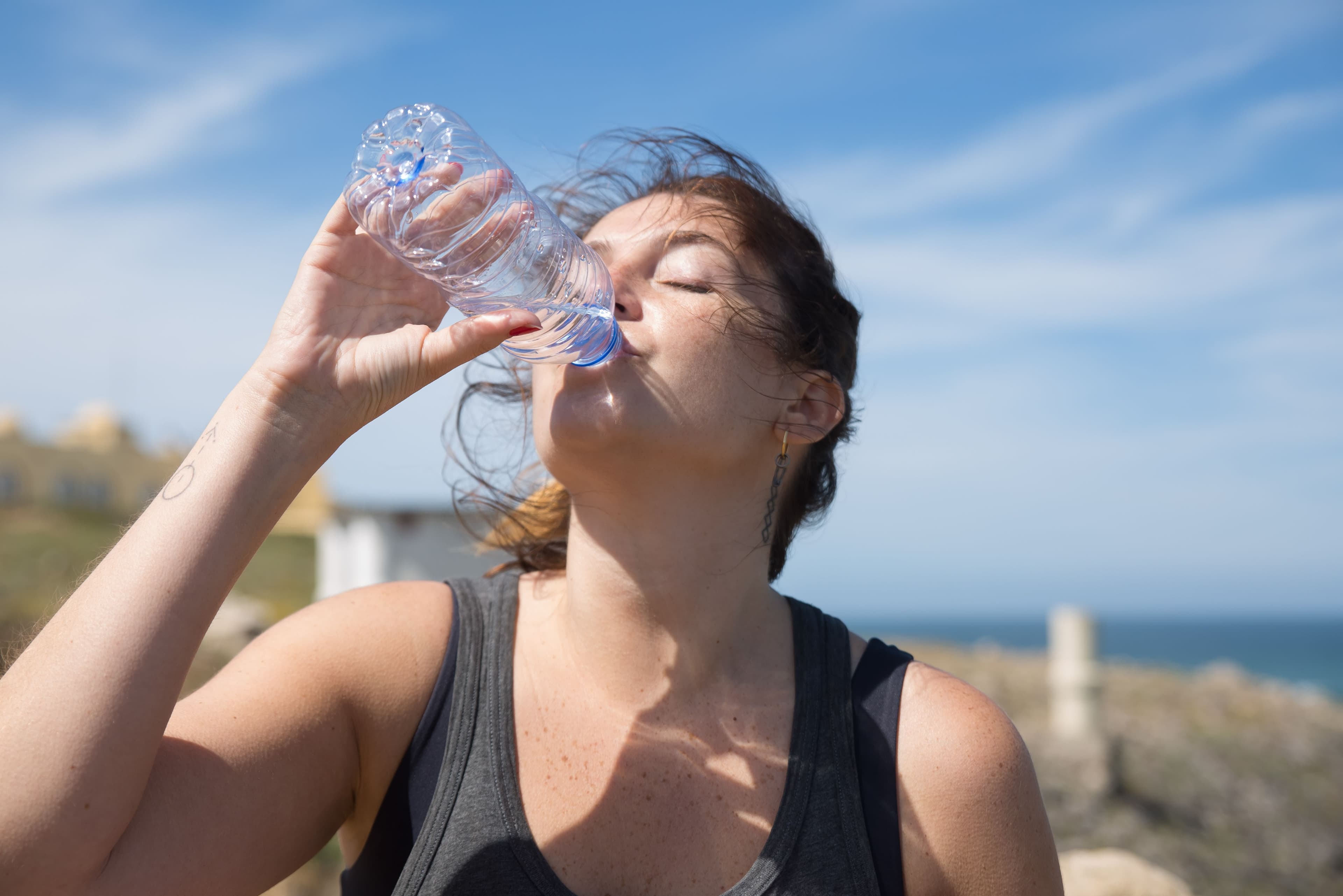
Think you're drinking enough water during a heatwave? You may need more than usual. Hot weather makes you sweat more, causing your body to lose water and electrolytes. Without replacing them, you risk dehydration, heat exhaustion, and heatstroke.
How Much Water Do You Need?
There is no single amount for everyone. As a general guide, adults typically need around 2.1–2.7 litres of fluids per day for women and 2.6–3.7 litres for men. During a heatwave, you may need more—especially if you're exercising, working outdoors, or sweating heavily.
Drink regularly throughout the day and don't wait until you're very thirsty.
Signs of Dehydration
Look out for:
- Dark yellow urine
- Dry mouth or lips
- Headache
- Tiredness
- Dizziness
- Muscle cramps
- Urinating less often
If you notice these symptoms, move somewhere cool and drink fluids.
Don't Forget Electrolytes
Heavy sweating causes you to lose electrolytes such as sodium and potassium. After prolonged exercise or outdoor work, an electrolyte drink may help replace them. Water should still be your main source of hydration.
You can also get fluids from water-rich foods such as watermelon, cucumber, strawberries, oranges, tomatoes, and lettuce.
Who Should Take Extra Care?
Older adults, young children, pregnant or breastfeeding women, people with chronic health conditions, outdoor workers, athletes, and people taking certain medications may be more vulnerable to dehydration and heat-related illness.
Stay Safe in the Heat
- Carry water with you.
- Drink before, during, and after outdoor activities.
- Take breaks in cool or shaded places.
- Avoid excessive alcohol.
- Limit strenuous activity during the hottest part of the day.
Don't drink excessive amounts of water in a short time, as this can dangerously lower sodium levels.
When to Get Help
Confusion, loss of consciousness, very high body temperature, hot dry skin, rapid heartbeat, difficulty breathing, persistent vomiting, or seizures can be signs of heatstroke. Seek emergency medical help immediately.
The Bottom Line
During a heatwave, drink regularly, eat hydrating foods, replace electrolytes after heavy sweating, and avoid prolonged exposure to extreme heat. Staying hydrated before you become thirsty is one of the simplest ways to protect yourself.
#MaltaDaily