

How Humanity Got Its Animal Best Friend: Dogs!
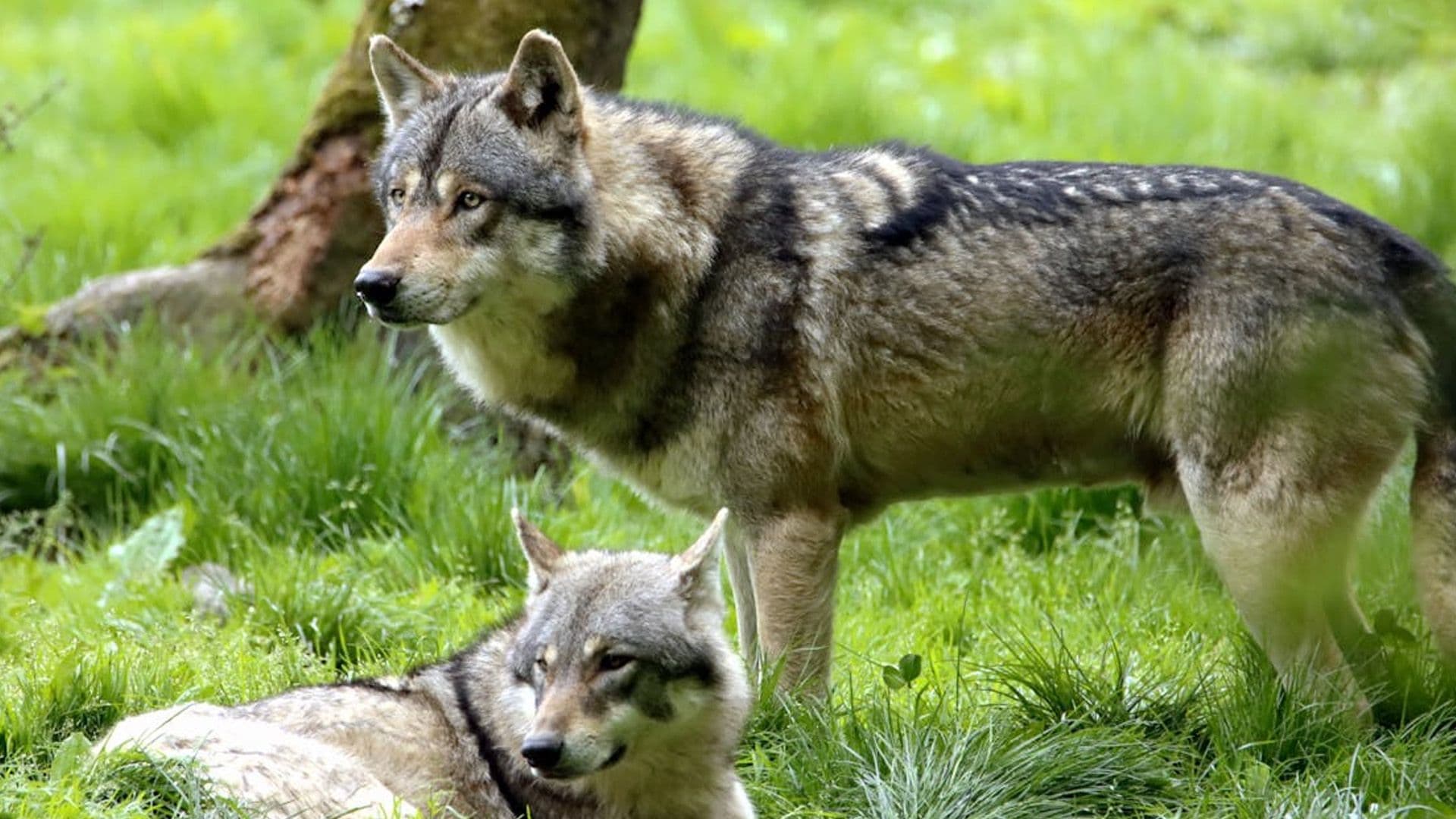
Dogs are so closely woven into human life that it is easy to forget they were once wild animals.
From tiny lap dogs to powerful working breeds, all dogs share a common ancestor with the grey wolf.
How and why this transformation happened is one of the most fascinating and debated questions in human history.
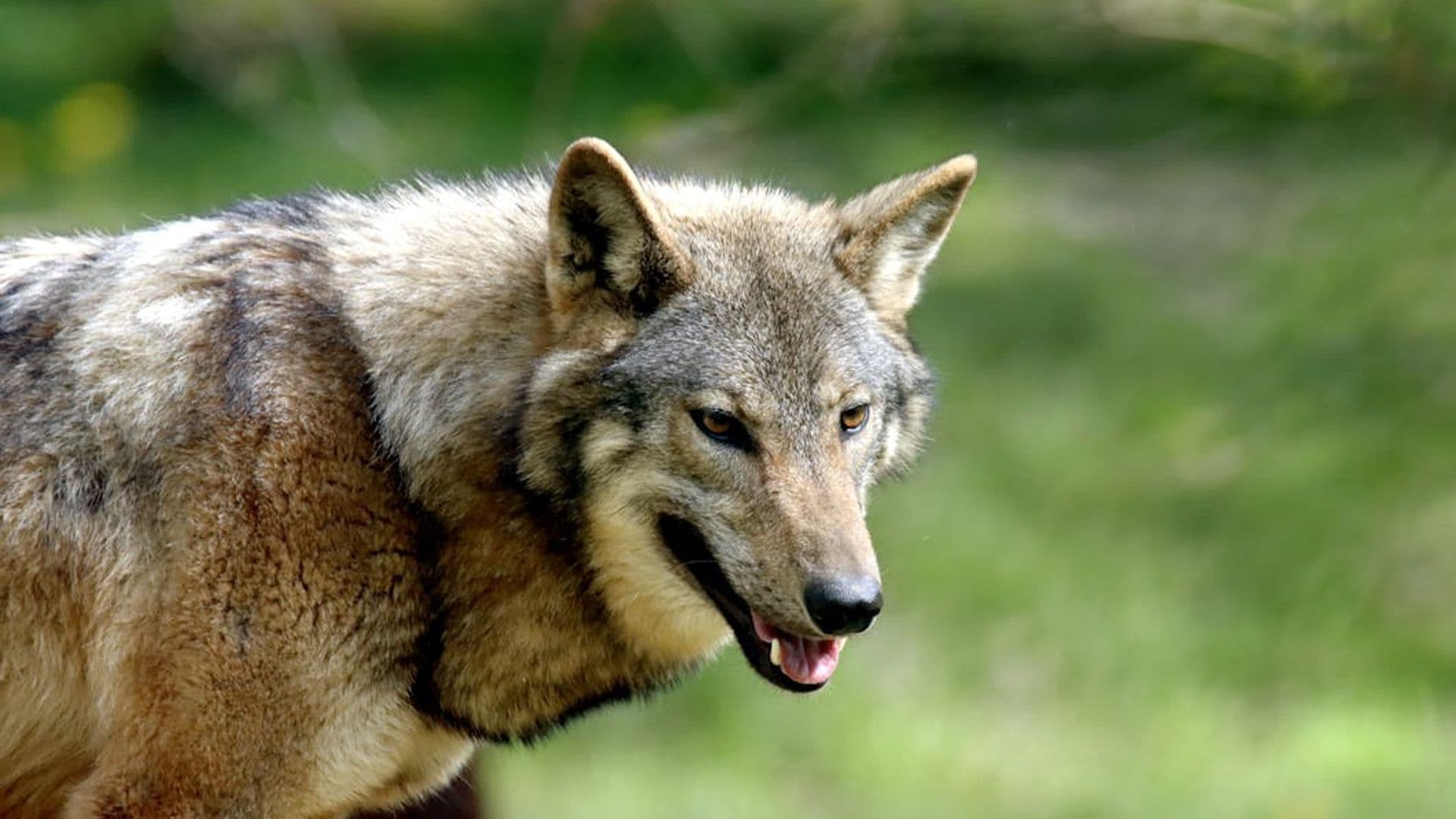
Most scientists agree that dogs were the first animals to be domesticated by humans.
Exactly when this occurred is less certain. Some researchers suggest domestication began as recently as 14,000 years ago, while others argue it may have started much earlier, perhaps between 20,000 and 40,000 years ago.
Genetic studies of ancient dog remains from Europe support the idea that dogs and humans were already closely linked during the Ice Age, long before farming societies emerged.
The location of domestication is also disputed. Asia, Europe and Siberia have all been proposed as possible origins.
At one point, scientists even suggested dogs were domesticated twice in different regions, though more recent genetic evidence points towards a single origin, followed by the spread of dogs alongside migrating human groups.
One of the most widely accepted theories about how domestication began is known as the scavenger hypothesis.
Rather than humans deliberately taming wolves, some wolves likely began living near hunter-gatherer camps to feed on discarded food.
Wolves that were less aggressive and more tolerant of humans would have been more successful, gradually evolving into animals that could live alongside people. Over time, this loose association developed into a close partnership.
Some researchers have even suggested that domestication was not a one-way process. As dogs became better at understanding human gestures, emotions and intentions, humans may also have adapted to life alongside them.
Relying on dogs for hunting, protection and companionship could have influenced human behaviour and social bonds, encouraging closer cooperation with animals.
From this perspective, dogs did not simply become domesticated by humans; the two species co-evolved, shaping each other over thousands of years.
This leads to the important question of why humans kept dogs at all, especially when early wolves were hunting the same prey.
The answer lies in mutual benefit. Dogs gained reliable access to food and protection, while humans benefited from dogs’ sharp senses, especially their sense of smell and hearing.
Early dogs likely helped with hunting, warned of predators, cleared camps of waste and vermin, and even provided warmth, transport and, at times, food.
At first, dogs probably resembled today’s village dogs rather than modern pets. Purposeful breeding came much later.
Humans initially selected dogs for behaviour, such as herding or hunting ability, rather than appearance.
The wide variety of breeds we recognise today is largely a recent development.
During the Victorian era in Britain, dog breeding intensified dramatically, leading to the creation of many modern breeds and their distinctive physical traits.
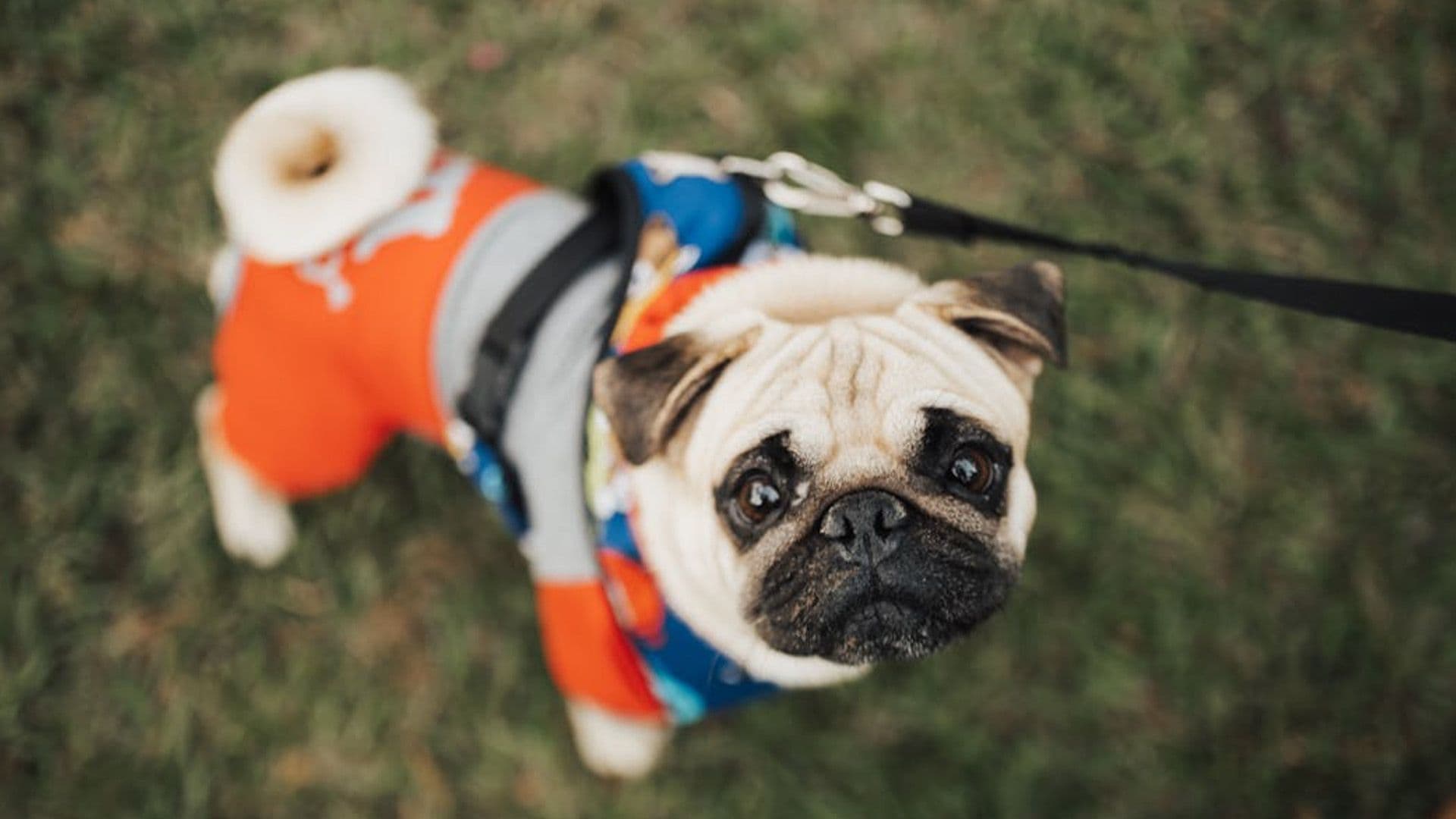
Today, genetic research continues to deepen our understanding of dogs, not only revealing their ancient origins but also helping scientists study disease and health in both dogs and humans.
What began as a cautious relationship between wolves and hunter-gatherers has become one of the most enduring and remarkable partnerships in history.
#MaltaDaily
