

Here’s How Malta’s Gender Mechanism Works
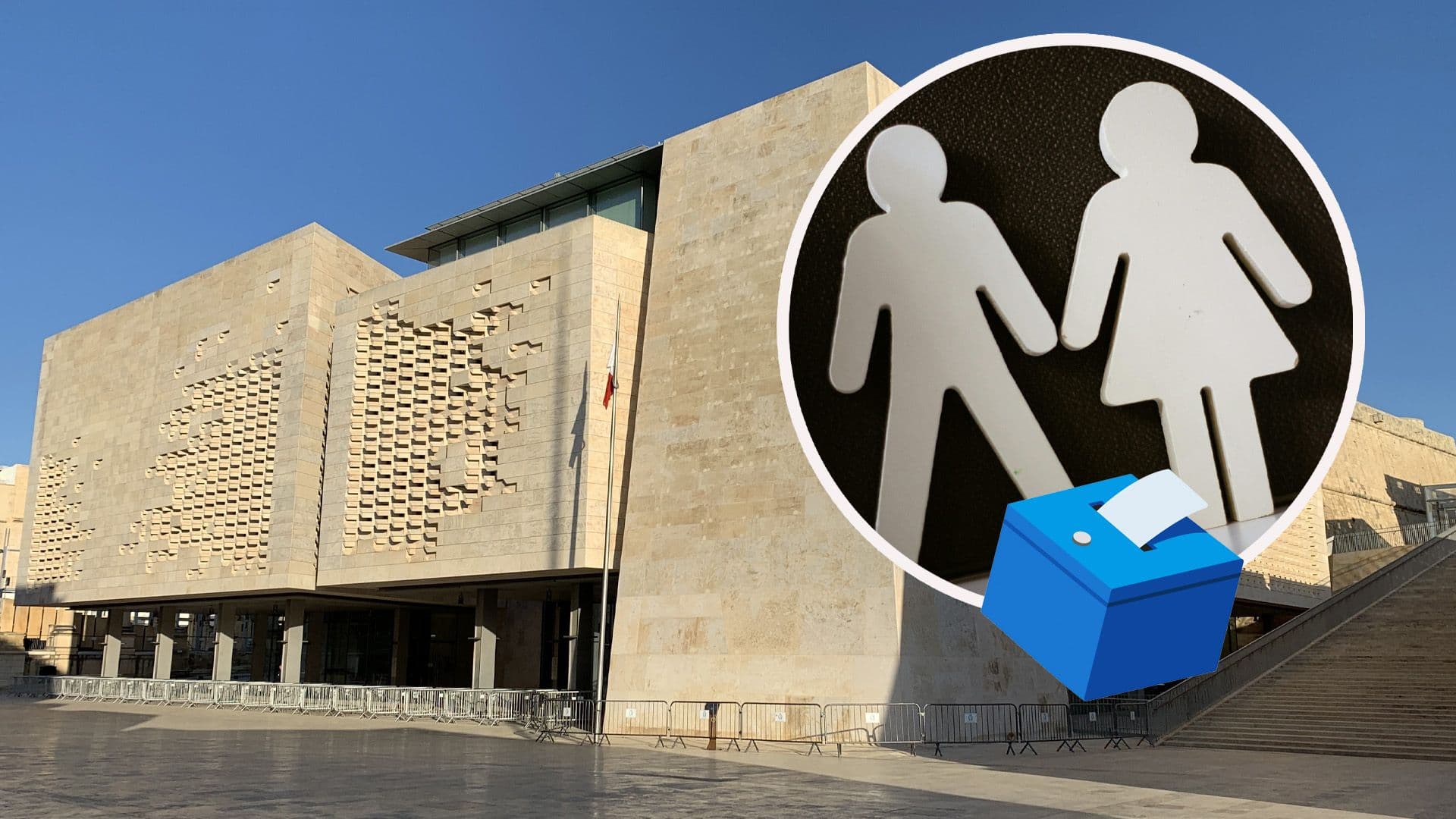
Malta’s Gender Mechanism is a system designed to create a better balance between men and women in Parliament.
The reform was introduced in 2021 after years of discussion about the low number of women elected to Parliament. At the time, Malta had one of the lowest levels of female political representation in Europe.
The law was approved by Parliament with support from both the Labour Government and the Nationalist Opposition. Prime Minister Robert Abela described it as a major step forward for equality.
However, not everyone agreed with the reform. Critics argued that MPs should only enter Parliament through direct election, while smaller parties said the system mainly benefits Malta’s two major parties.
So how does it work?
After a general election, all votes are counted normally and MPs are elected as usual. Malta normally has 65 seats in Parliament.
Once the election is over, a check is made. If either men or women make up less than 40% of Parliament, the Gender Mechanism can be triggered.
In practice, this has mostly affected women because Malta has historically elected far fewer female MPs.
Importantly, no elected MP loses their seat. Instead, extra seats are added to Parliament and given to candidates from the underrepresented sex who performed strongly but narrowly missed out on being elected.
For example, imagine only 10 women are elected out of 65 MPs. That would mean women make up around 15% of Parliament, which is well below the target. In that case, extra seats would be added to help create a more balanced Parliament.
The mechanism can add a maximum of 12 extra seats.
Supporters say the system helps Parliament better reflect Maltese society and encourages more women to enter politics. Critics say it interferes with the traditional electoral process.
In simple terms, Malta’s Gender Mechanism adds extra seats to Parliament when one sex is heavily underrepresented after an election.
#MaltaDaily
