Fun Facts You Might Not Know About Żurrieq
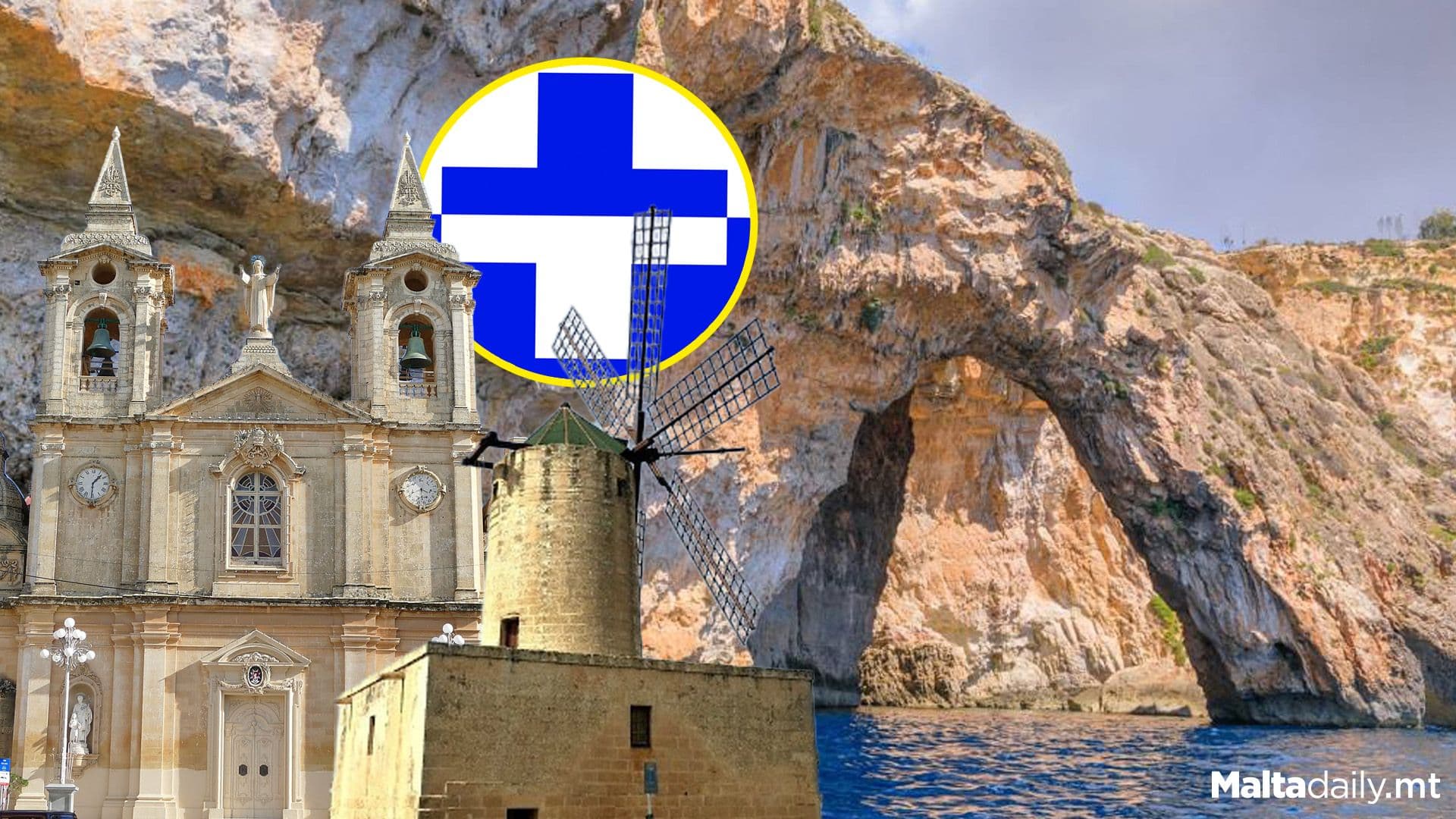
Żurrieq, located in the southern part of Malta, is one of the island’s oldest towns. With a history stretching back to the Bronze Age, it is home to archaeological remains, centuries-old churches, and cultural landmarks that continue to shape its identity today.
Origins and Name
The name “Żurrieq” is thought to come from the Maltese word zoroq, meaning “blue.” Some believe it refers to the deep blue of the nearby sea, while others suggest it may refer to the eye colour of the inhabitants. The town’s Latin motto, “Ex viridi silvis vocor” (“From the blue sea I took my name”), reflects this link with the colour blue.
Parish Church of St Catherine
The parish church, dedicated to St Catherine of Alexandria, was built between 1632 and 1658, replacing an earlier chapel. Inside are significant works of art, including paintings by the celebrated Baroque artist Mattia Preti, making it a religious and artistic landmark.
Xarolla Windmill
The Xarolla Windmill, built in 1724, is the only surviving operational windmill in Malta. Historically used for grinding grain, it has been restored and today also serves as a cultural space and exhibition venue.
Punic and Defensive Towers
Żurrieq hosts a number of historic towers. A Punic tower, located within the archpriest’s garden, is one of the best-preserved examples of Punic architecture in Malta. The Wardija Tower, constructed in 1659, was the last of the coastal watchtowers built under Grand Master Martin de Redin. In the countryside, Bubaqra Tower, built around 1579, resembles a fortress but was in fact constructed as a fortified country house.
Natural Landmark: The Blue Grotto
Żurrieq is closely associated with the Blue Grotto, a spectacular series of sea caves where the sunlight creates striking shades of blue on the water and cave walls. It remains one of Malta’s most popular natural attractions, often visited by boat.
#MaltaDaily
Photo Sources: Maltatina