Fun Facts You Might Not Know About Qrendi
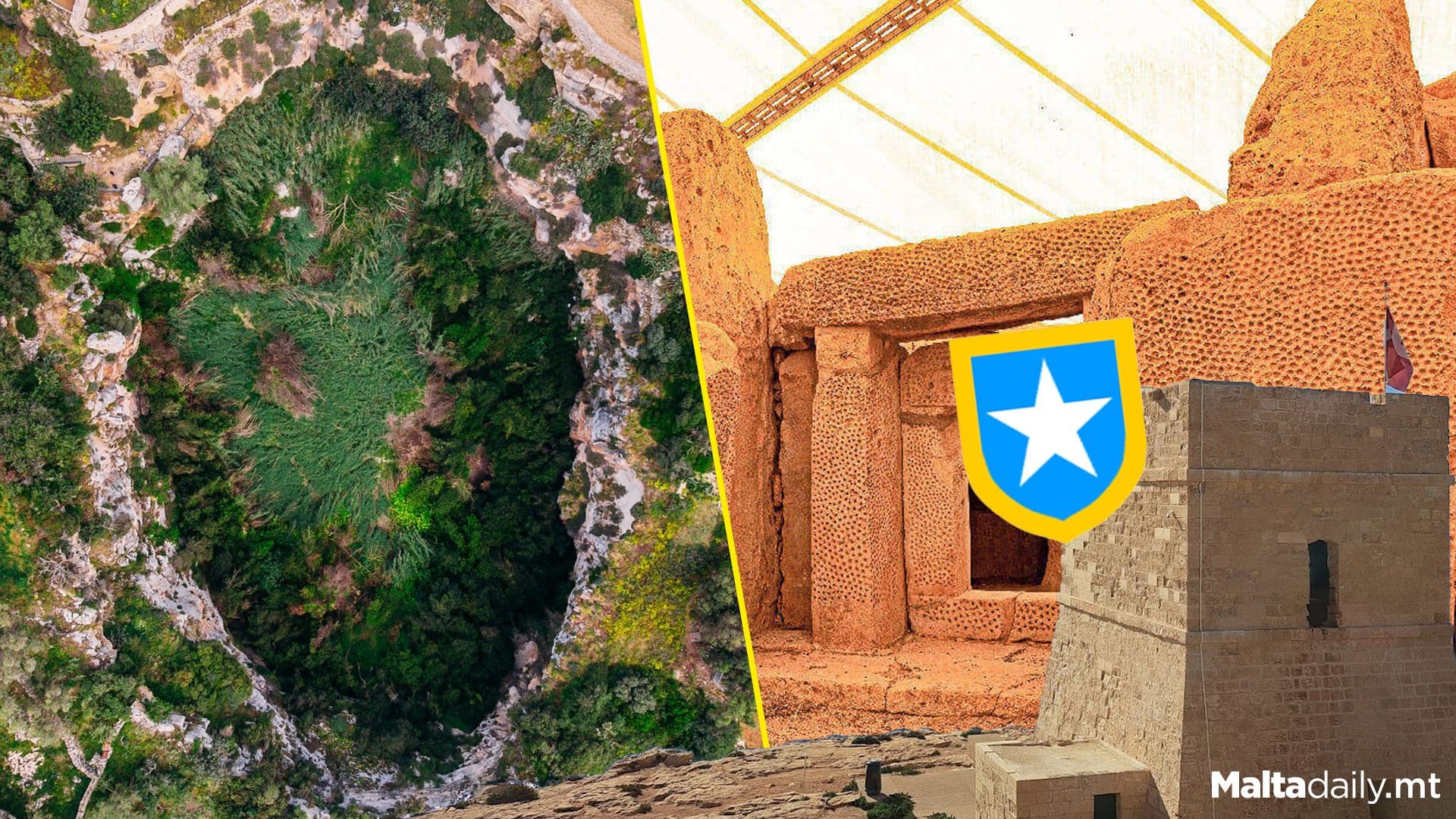
Qrendi, a small village in the southwest of Malta with around 3,100 residents, is a place of remarkable historical and natural significance. Despite its size, it is home to some of the island’s most important landmarks.
Neolithic Temples
Just outside Qrendi stand the Ħaġar Qim and Mnajdra Temples, dating from around 3,600 to 3,200 BC. These megalithic structures are among the oldest free-standing buildings in the world, predating even the Egyptian pyramids. Today they are UNESCO World Heritage Sites and key attractions for visitors interested in Malta’s prehistoric past.
Il-Maqluba Sinkhole
A striking natural feature of Qrendi is Il-Maqluba, a sinkhole that formed during a violent storm in 1343. Measuring about 50 metres across and 15 metres deep, it is surrounded by protected habitats that support rare plants and wildlife. The site is also associated with local folklore, adding to its cultural value.
Watchtowers by the Coast
Qrendi’s coastline is marked by two historic watchtowers. Sciuta (Xutu) Tower, built in 1638, was the first of the Lascaris towers, while Ħamrija Tower, constructed in 1659, was one of the later additions to Malta’s coastal defence system. Both served as lookout points to protect the island from naval threats.
The Blue Grotto
Nearby lies the famous Blue Grotto, a series of sea caves renowned for their vivid colours. Sunlight reflects off the water, creating brilliant shades of blue and even iridescent effects along the cave walls. It remains one of Malta’s most popular natural attractions, often visited by boat.
Religious and Cultural Life
Qrendi celebrates two annual feasts which are central to village life. The Feast of Our Lady of Lourdes, held in late June or early July, and the Feast of the Assumption of Mary (Santa Marija) on 15 August, both feature processions, band marches, fireworks, and elaborate street decorations.
#MaltaDaily