Fun Facts You Might Not Know About Paola
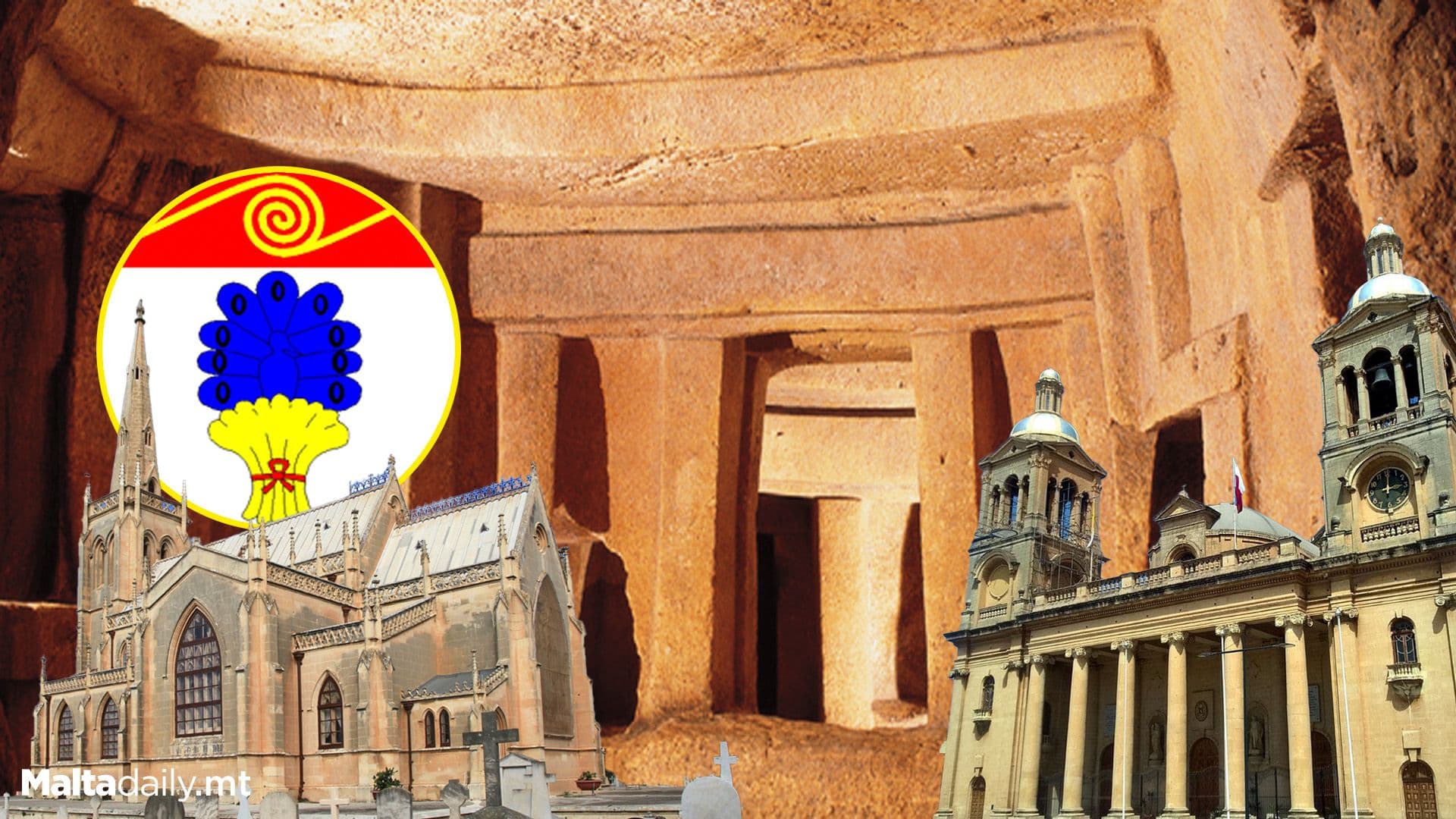
Paola, known in Maltese as Raħal Ġdid or “New Town,” is one of Malta’s most distinctive localities. Founded in 1626 by Grand Master Antoine de Paule, it has since developed into a vibrant town with important cultural, religious and historical landmarks.
The Ħal Saflieni Hypogeum
One of Malta’s most extraordinary sites lies beneath Paola: the Ħal Saflieni Hypogeum. Dating to around 3300–3000 BC, this underground complex is thought to have served as both a sanctuary and a burial place. Recognised as a UNESCO World Heritage Site, it is one of the most significant prehistoric monuments in the world.
Basilica of Christ the King
The town’s main church is the Basilica of Christ the King, Malta’s largest church building. Construction began in 1924, it was opened for use in 1936, and in 2020 it was granted the title of minor basilica. Its impressive size and design make it a major landmark in Paola.
Religious Diversity
Paola is home to Malta’s only mosque, the Mariam Al-Batool Mosque, which was officially opened in 1982 after its foundation stone was laid in 1978. This reflects the town’s role as a place of religious diversity and cultural exchange.
Addolorata Cemetery
Built in 1869, the Addolorata Cemetery is the largest burial ground in Malta. Designed in a neo-Gothic style, it covers a vast area and remains the principal cemetery on the island.
St Ubaldesca Church
The first parish church of Paola was the Church of St Ubaldesca, completed in 1630. Though modest compared to the later basilica, it played a key role in the town’s early religious life.
#MaltaDaily
Photo Source: Frank Vincentz