Fun Facts You Might Not Know About Gudja
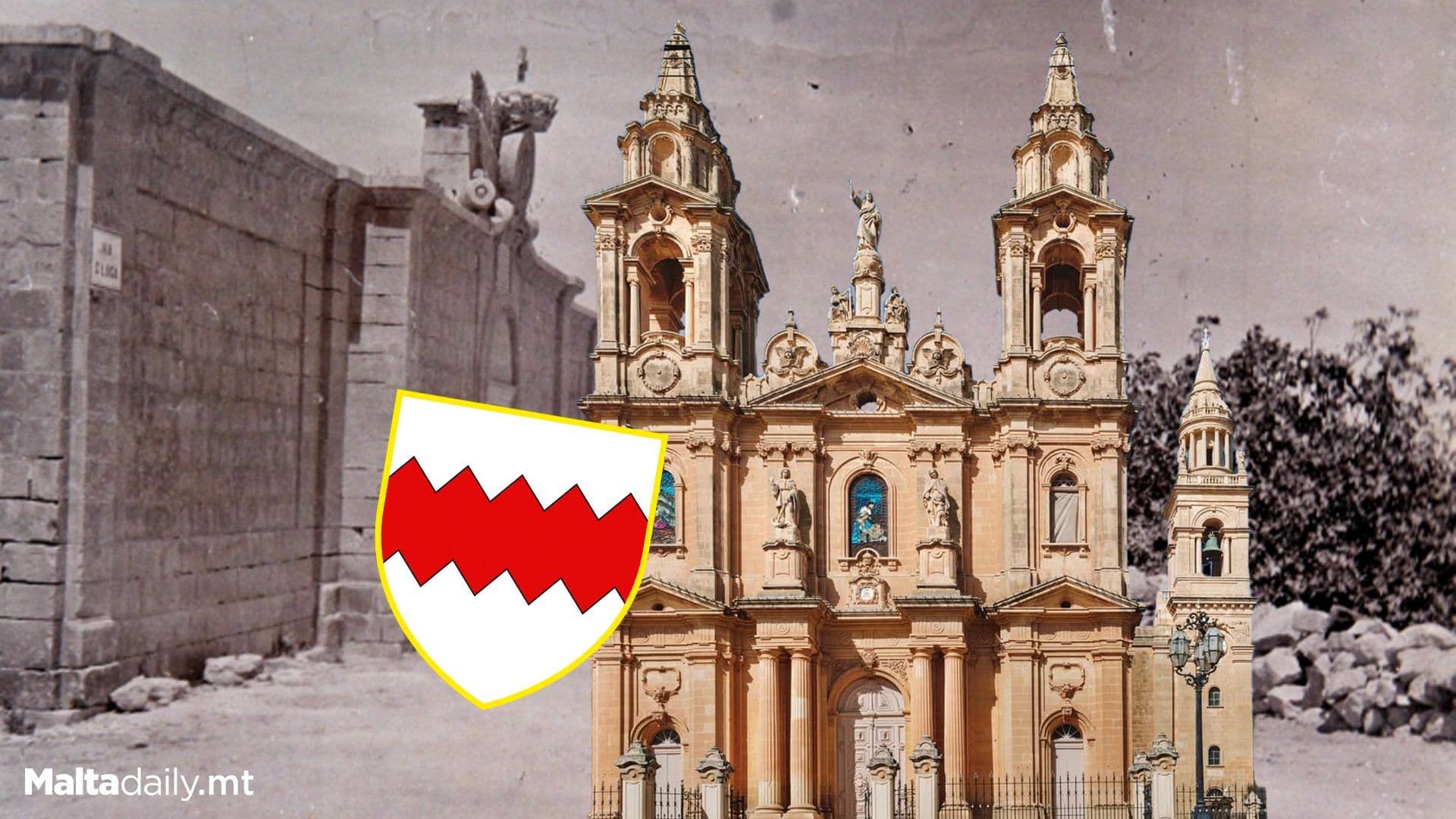
Situated in the southern region of Malta, Gudja is a small yet historically rich village that holds a unique place in the island’s cultural landscape. With its deep roots in antiquity, architectural landmarks, and rare historical features, Gudja offers much more than meets the eye.
A Village with Prehistoric Origins
Archaeological evidence suggests that Gudja has been inhabited since prehistoric times. The area is home to ancient dolmens (stone burial structures), and beneath the modern-day village lie early Christian catacombs at Ħal Resqun. These catacombs date back to the 4th century AD and were rediscovered in 2006 after being lost for decades beneath a road junction near the airport.
“Mother of Many Villages”
Historically known as Birmiftuħ, Gudja once covered a much larger area and served as the original parish for several surrounding towns, including Safi, Luqa, Kirkop, Mqabba, and Birżebbuġa. This history is reflected in the town’s motto: “Pluribus Parens”, meaning “Mother of Many” in Latin.
The Only Church in Malta with Three Bell Towers
The parish church of Gudja, dedicated to the Assumption of Mary, is architecturally unique in Malta. While many churches feature one or two bell towers, Gudja’s church is the only one on the island with three. The third tower, added in 1858, was designed in a neoclassical style by architect William Baker, adding a distinctive character to the Baroque structure.
Palazzo Dorell and the Xlejli Tower
Another remarkable site in Gudja is Palazzo Dorell, a grand 17th-century palace built in Palladian style. Nestled within its gardens is the ancient Xlejli Tower, a round defensive tower believed to date back to the medieval or Roman period. The site reflects the area’s historical importance, especially in defence and nobility.
A Rare Historic Garden: Ġnien tal-Kmand
Gudja is one of the few locations in Malta that still preserves a Ġnien tal-Kmand, which is one of the Governors’ Gardens established during the early 19th century. These gardens were designed for administrative officials and are now considered part of Malta’s green heritage.
#MaltaDaily
Photo Source: Kappa Vision