Fun Facts You Might Not Know About Għaxaq
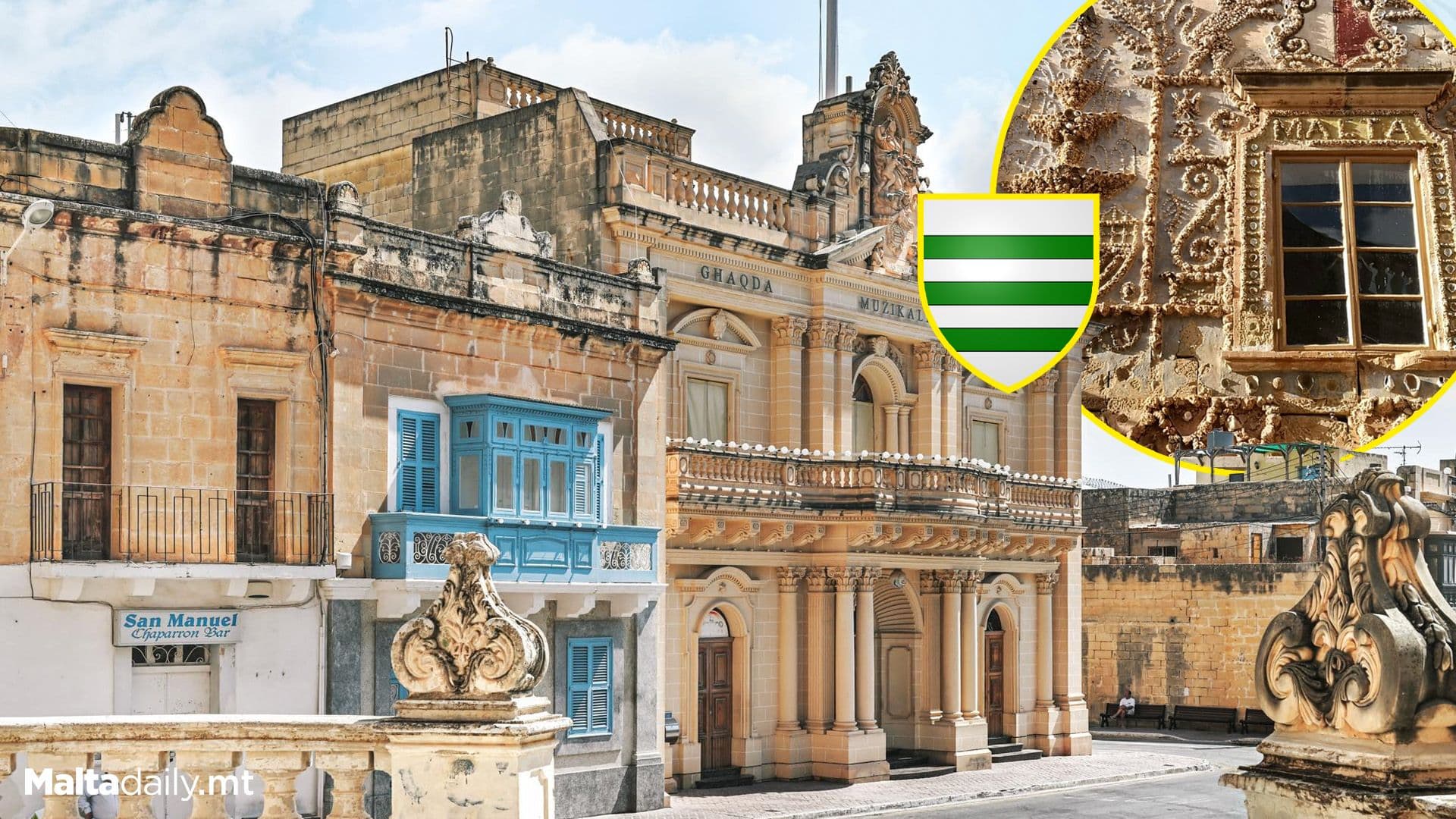
Tucked away in the southern region of Malta, the village of Għaxaq is often overlooked but holds a rich tapestry of history, tradition, and architectural charm. With roots dating back to medieval times, Għaxaq offers visitors and residents alike a unique blend of heritage and community spirit.
Origin of the Name
The name Għaxaq is believed to have originated from the noble family Axiaq (sometimes written Asciak), who held land in the area during the 14th century. Another theory links the name to the Maltese word for “delight”, suggesting that the village was known for its pleasant surroundings.
One of Malta’s Oldest Recorded Villages
Għaxaq first appears in historical records around 1419–1420, when local men were listed among those expected to defend the Maltese coastline. In 1626, Għaxaq was declared an independent parish, having previously been under the jurisdiction of Żejtun.
Architectural and Religious Significance
The village’s parish church, dedicated to the Assumption of Mary, is one of its most iconic landmarks. Originally constructed in 1511, the present Baroque structure was built between 1723 and 1784. The interior features:
Statues by renowned sculptor Mariano Gerada
Ceiling paintings by celebrated artist Emvin Cremona
This church stands as a testament to the village’s long-standing religious devotion and artistic legacy.
The Semaphore Tower: Communication Through History
A notable historical structure in Għaxaq is the Semaphore Tower, built by the British in 1848. It was part of a national system used to transmit military messages using flag signals. Though no longer in operation, the tower remains an important cultural site and is currently being considered for restoration.
A Village Known for Its Festas
Għaxaq is particularly vibrant during its annual village feasts, which are among the most celebrated in Malta:
Feast of Saint Mary (August): Organised by the St Mary Band Club, this festa includes musical concerts, traditional processions, and dazzling firework displays.
Feast of Saint Joseph (June): Equally festive and often seen as a friendly rival to Saint Mary’s, it is organised by the St Joseph Band Club, with its own processions, decorations, and community events.
These festas highlight Għaxaq’s strong cultural traditions and close-knit community.
#MaltaDaily
Photo Source: Kappa Vision FB, Maltatina