From Siege To City: A Brief History Of Malta’s Iconic Capital
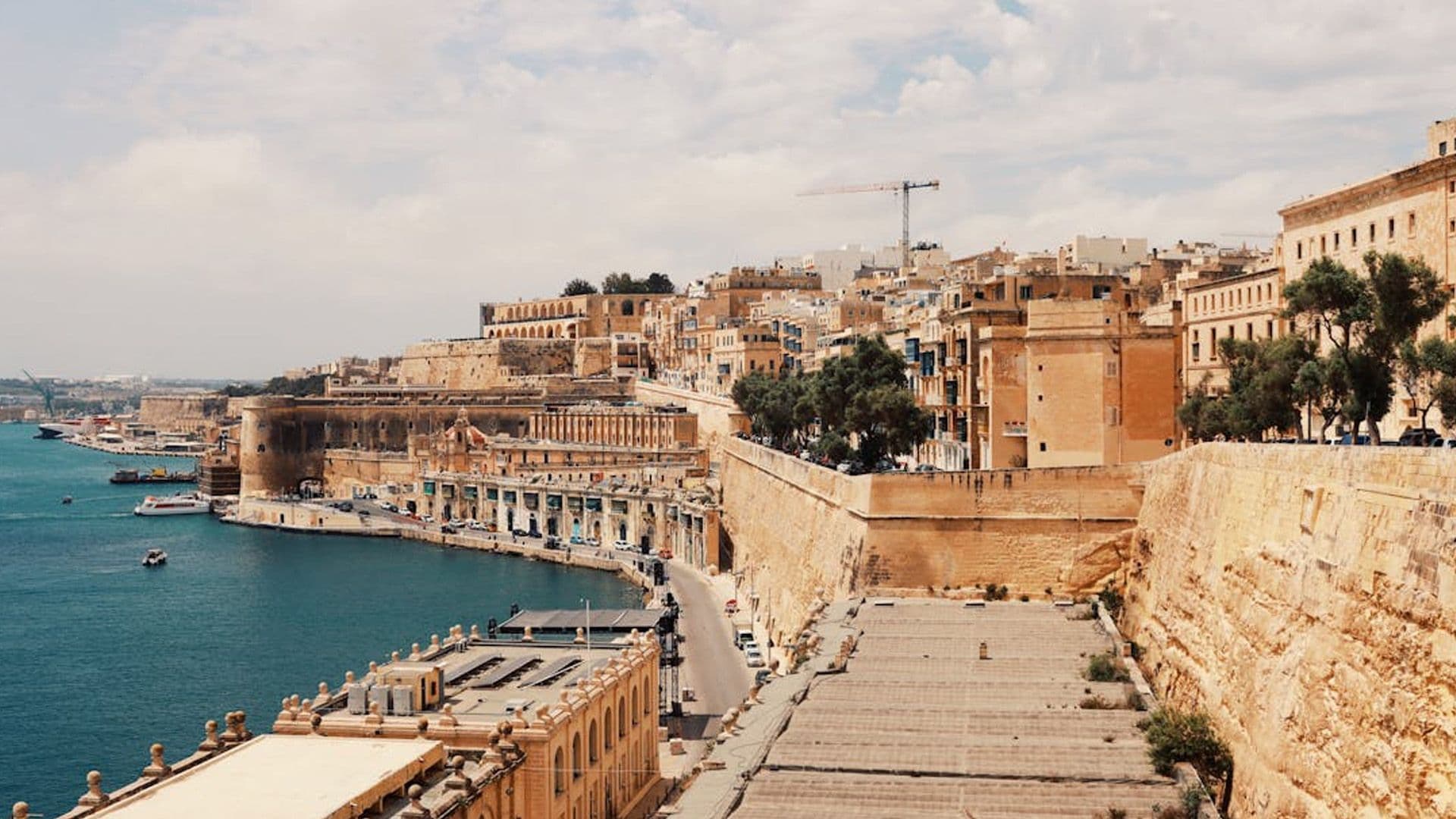
In 1565, Malta became the focus of a major conflict, the Great Siege of Malta.
The Ottoman Empire attempted to take the island, but the Knights of St John, led by Jean Parisot de Valette, successfully defended it after months of fighting.
Following the siege, de Valette initiated plans for a new fortified city to strengthen Malta’s defences.
In 1566, construction began on the Sciberras Peninsula, located between Grand Harbour and Marsamxett Harbour. The foundation stone was laid on 28 March 1566, marking the beginning of Valletta.
The city was designed by Francesco Laparelli, with later work overseen by Maltese architect Girolamo Cassar.
Valletta followed a grid layout with straight streets and was built with strong fortifications, reflecting advanced military planning for its time.
By the early 1570s, Valletta was largely complete and became Malta’s capital in 1571.
It functioned as the administrative and religious centre of the Knights, with structures such as auberges, palaces and St John's Co-Cathedral forming part of the urban fabric.
In 1798, Napoleon Bonaparte occupied Malta and removed the Knights from power. French control ended in 1800 when British forces took over the island.
Valletta suffered significant damage during the Second World War. In 1980, the city was inscribed as a UNESCO World Heritage Site.
Today, March 28th, we celebrate the legacy and heritage that this Mediterranean city boasts through its walls, its culture and its people.
#MaltaDaily