


Forts, Fireworks and Fierce Battles: Malta’s Explosive History
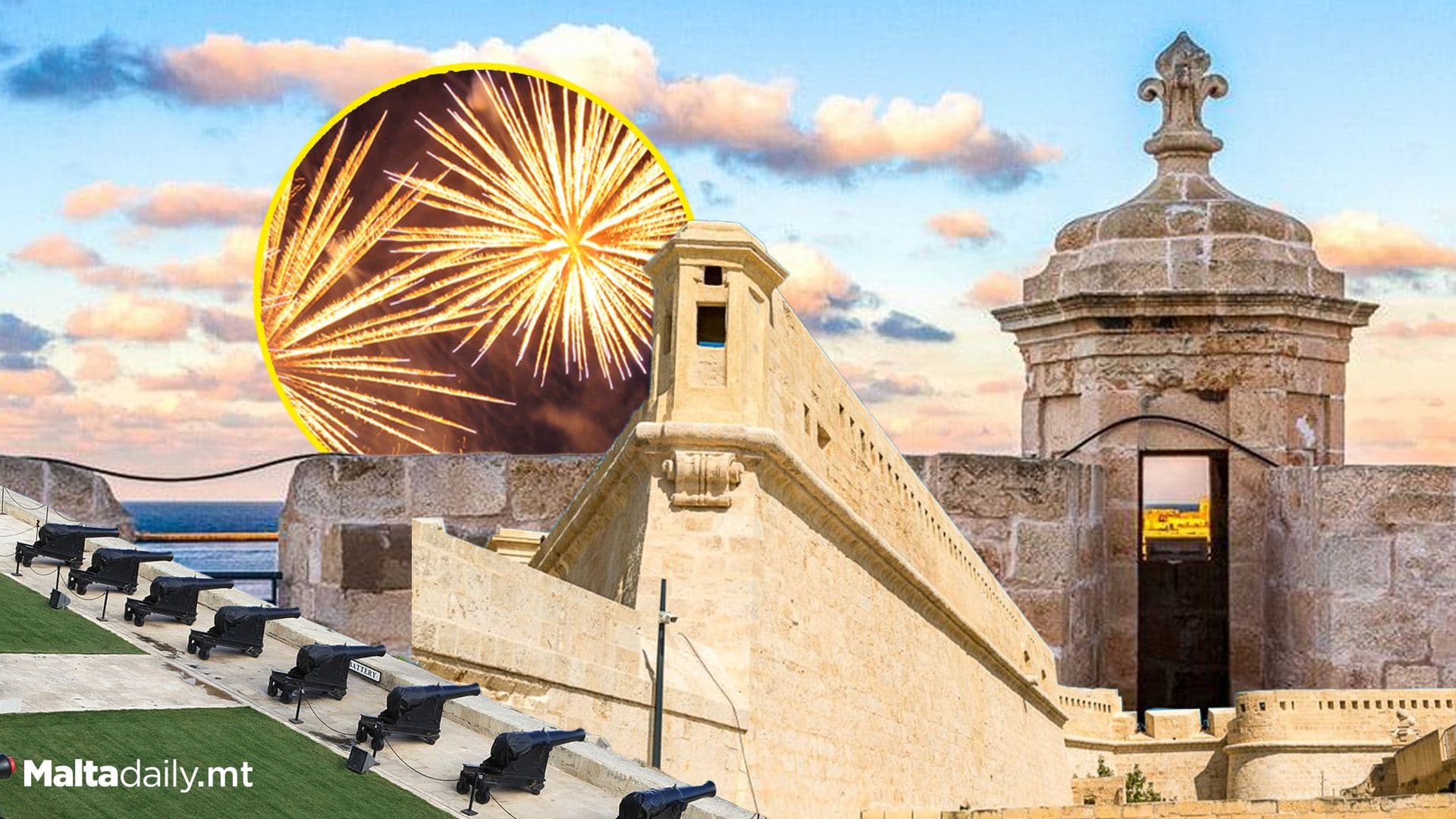
Malta’s history is marked by strong fortifications, dramatic battles and a long tradition of fireworks. These elements together reflect the island’s role as both a fortress in the Mediterranean and a place of celebration.
Fortresses of Defence
Malta is home to some of the most impressive fortifications in Europe. Fort St Angelo in Birgu was crucial during the Great Siege of 1565, when the Knights of St John and the Maltese population resisted Ottoman forces. Fort St Elmo guarded the entrance to Grand Harbour and held out for 28 days under heavy attack, buying time for the defenders. Later, Fort Ricasoli, built between 1670 and 1698, became the largest fort on the island, protecting Grand Harbour and Valletta.
Valletta’s Walls and Towers
Following the siege of 1565, Valletta was built as a fortified city. Its massive bastions, ditches and walls were designed by leading military engineers of the time. Along the coasts, smaller towers and batteries added further protection, making Malta one of the most heavily fortified places in Europe.
Fireworks as Tradition
The tradition of fireworks in Malta dates back to the 16th century, introduced during the rule of the Knights of St John. Originally used for ceremonial occasions, fireworks became closely linked with religious feasts. Today village festasare famous for their elaborate displays, which combine daytime petards and night-time colour shows, often prepared months in advance.
From War to Celebration
Malta’s coastline once echoed with cannon fire as battles raged across its harbours. Today the same skies are lit up with fireworks during summer festas. The transformation from defence to celebration highlights Malta’s resilience and its ability to preserve history while embracing joy and community spirit.
#MaltaDaily