Eyes On The Cabinet: Understanding Government's Executive Branch
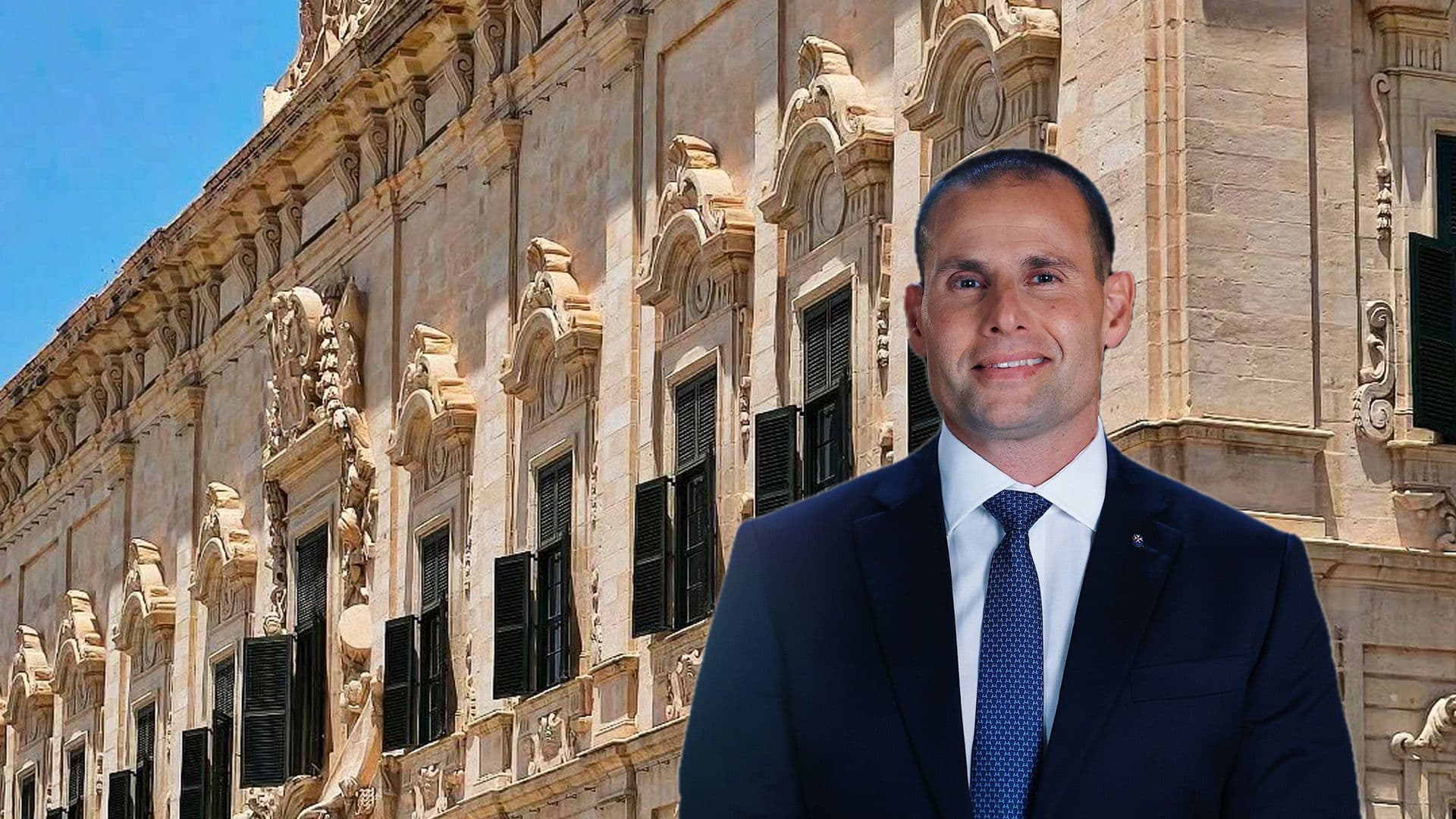
With attention now turning to who will form part of the Government's Executive, better known as the Cabinet, it is worth examining the role this institution plays in Malta's system of government.
The Cabinet is the highest decision-making body within the Executive branch. It is composed of the Prime Minister and the Ministers appointed to oversee the various government portfolios, such as finance, health, education, home affairs, foreign affairs and other areas of public administration.
While Parliament is responsible for debating and passing laws, the Cabinet is responsible for governing the country on a day-to-day basis. It determines government policy, oversees the implementation of electoral promises, prepares legislation for parliamentary approval and coordinates the work of ministries.
Cabinet meetings, chaired by the Prime Minister, serve as the forum where major national decisions are discussed and agreed upon collectively. Although individual ministers are responsible for their respective ministries, Cabinet government operates on the principle of collective responsibility, meaning that decisions taken by Cabinet are supported by all ministers regardless of any internal disagreements that may have taken place during discussions.
The size of a Cabinet is often influenced by political considerations, administrative needs and the Prime Minister's governing style. Larger Cabinets can allow for greater specialisation and broader political representation, while smaller Cabinets are often viewed as more streamlined and cost-effective.
Throughout Malta's political history, Cabinet sizes have varied considerably.
According to historical analyses, the smallest Cabinet in recent decades was that appointed by Prime Minister Lawrence Gonzi following the 2008 general election. Gonzi governed with a notably lean Executive structure, consisting of eight ministers in addition to the Prime Minister. This was widely regarded as the most compact Cabinet of the modern era.
By contrast, the largest Cabinets in Maltese history emerged under Labour administrations. Joseph Muscat's first Cabinet in 2013 consisted of 23 members of the Executive, including ministers and parliamentary secretaries, making it the largest at the time.
That record was subsequently surpassed by Prime Minister Robert Abela in January 2020. His first Cabinet consisted of 26 members: 18 ministers, including the Prime Minister, and eight parliamentary secretaries, making it the largest Cabinet ever appointed in Malta's political history.
As a new legislature begins and speculation grows over who will occupy ministerial posts, the composition of the Cabinet will offer an early indication of the Prime Minister's priorities, governing philosophy and the balance of power within the governing party. Whether large or small, the effectiveness of any Cabinet ultimately depends not on its size, but on its ability to deliver coherent policy, maintain collective responsibility and govern in the national interest.
#MaltaDaily