

Every Device Has Two Endings: Choose The One That Protects People & The Environment
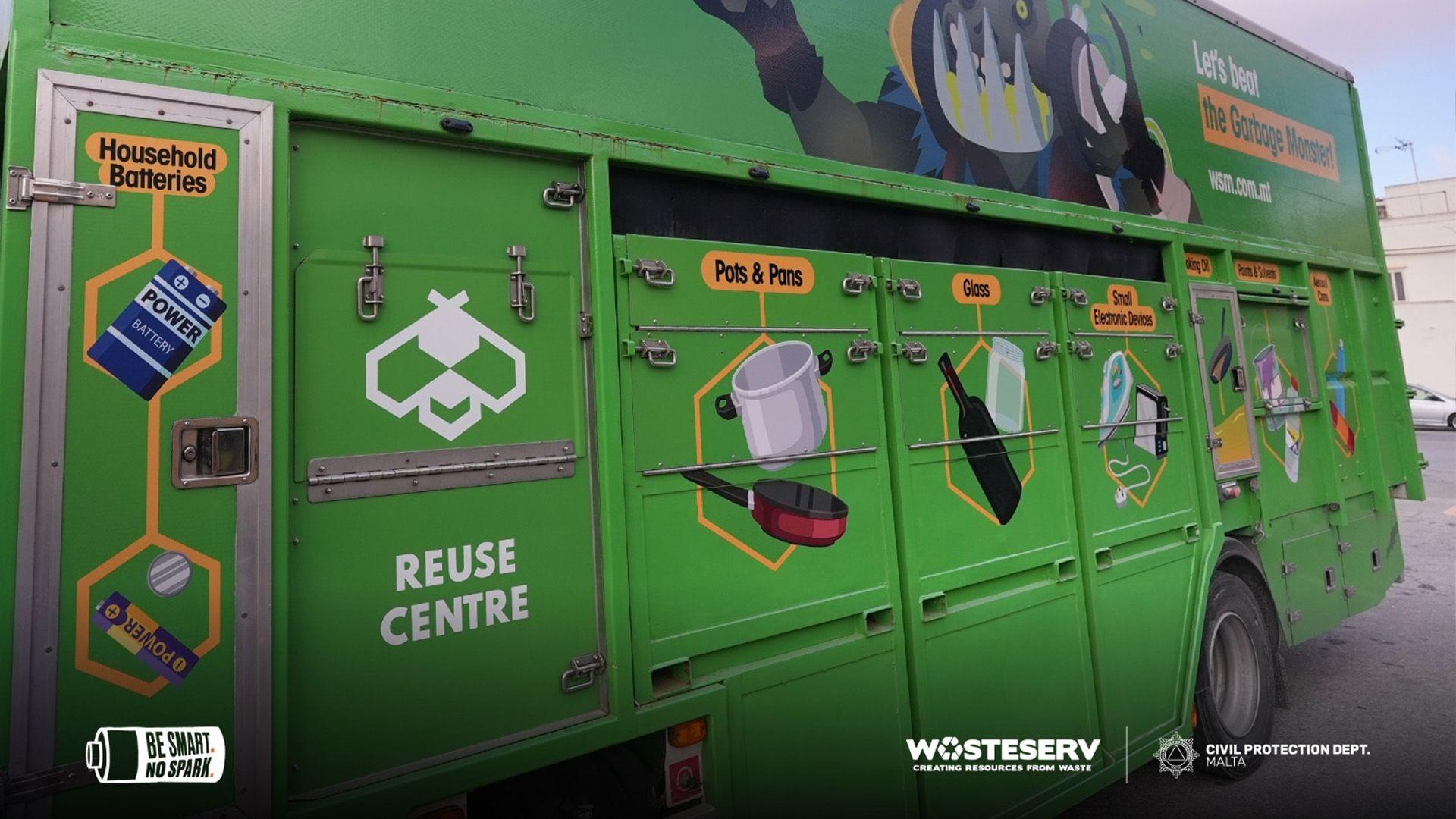
Every day, people use devices powered by batteries without giving them much thought. From mobile phones and tablets to headphones, toys, power banks and vapes, electronic items have become part of everyday life.
However, when these devices are no longer needed, how they are disposed of can make a significant difference.
Batteries and electronic waste, commonly known as e-waste, should never be thrown away with household waste. When damaged, crushed, punctured or exposed to heat, batteries can ignite and cause fires during waste collection, transport or processing, putting workers and facilities at risk.
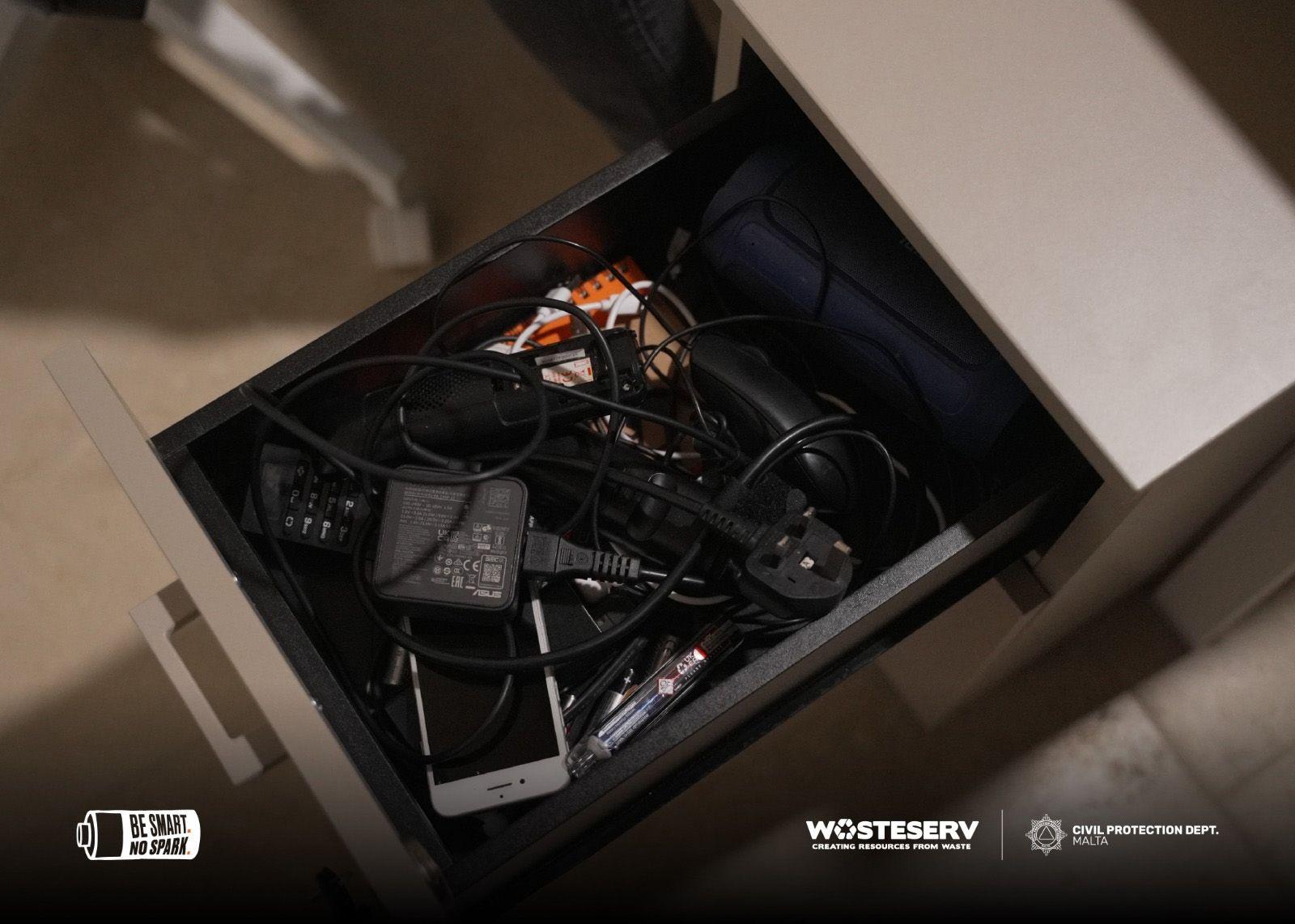
A simple rule to remember is that if an item contains a battery, plug, cable, solar strip or needs charging, it is likely to be considered e-waste. This includes smaller items that are often overlooked, such as chargers, earbuds, electronic toys, electric toothbrushes, smartwatches and rechargeable batteries.
Residents can help prevent fires and ensure valuable materials are recovered by disposing of these items at the correct collection points.
Loose batteries can be placed in dedicated collection bins available at various supermarkets, local council offices and schools. Small electronic items can be taken to local council offices, WasteServ Roadshow Trucks or Civic Amenity Sites.
Vapes should also never be disposed of with household waste.
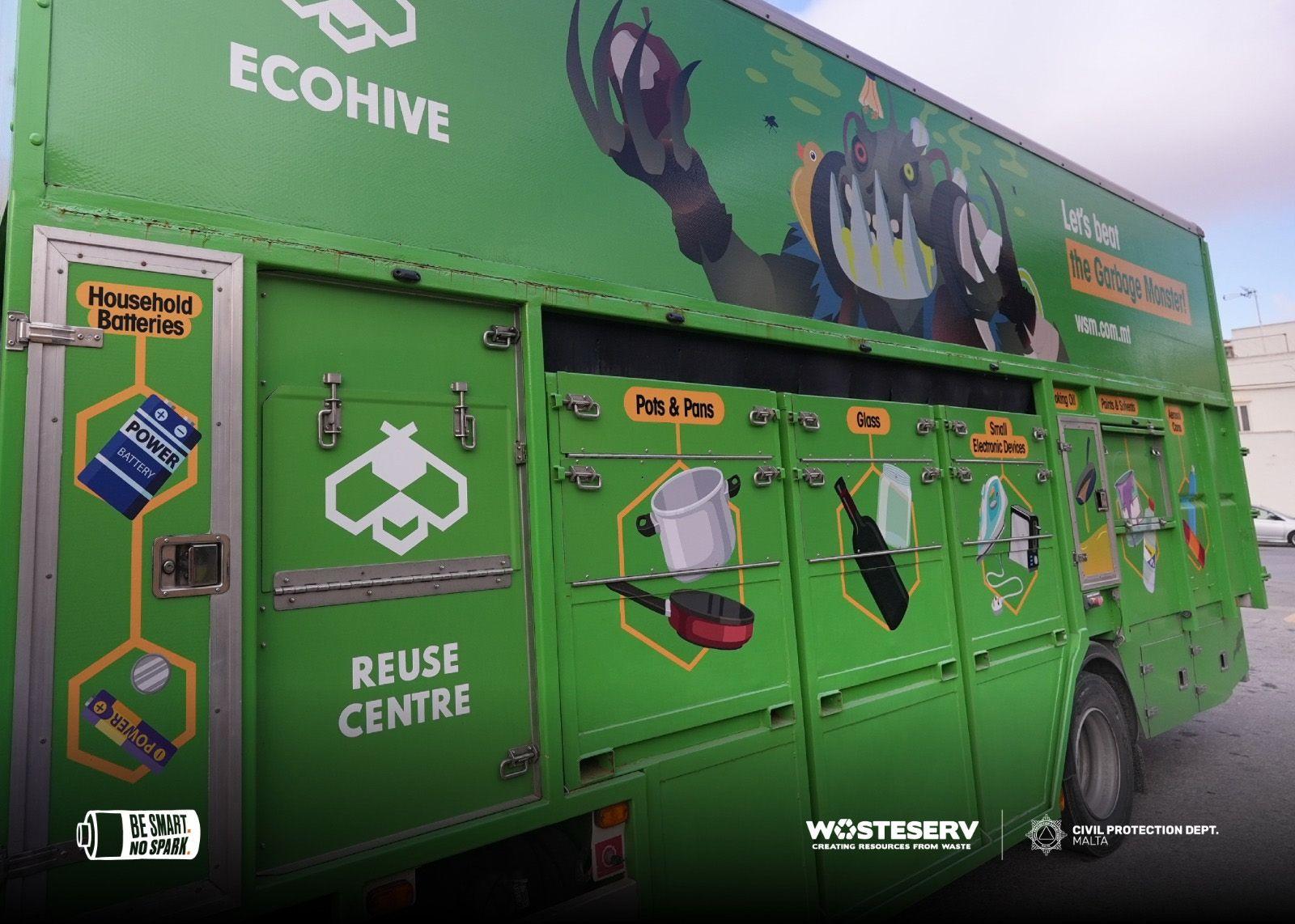
When purchasing a new vape, consumers can return an equivalent used device free of charge to the retailer, as businesses selling or distributing vapes are legally required to accept them on a one-for-one basis. Vapes can also be disposed of at WasteServ's Civic Amenity Sites and Roadshow Trucks.
More information on the correct disposal of batteries and e-waste can be found at wsm.com.mt/be-smart.
#MaltaDaily
