

ESPON Conference In Malta Calls For Stronger Recognition Of Island Realities In Eu Policies
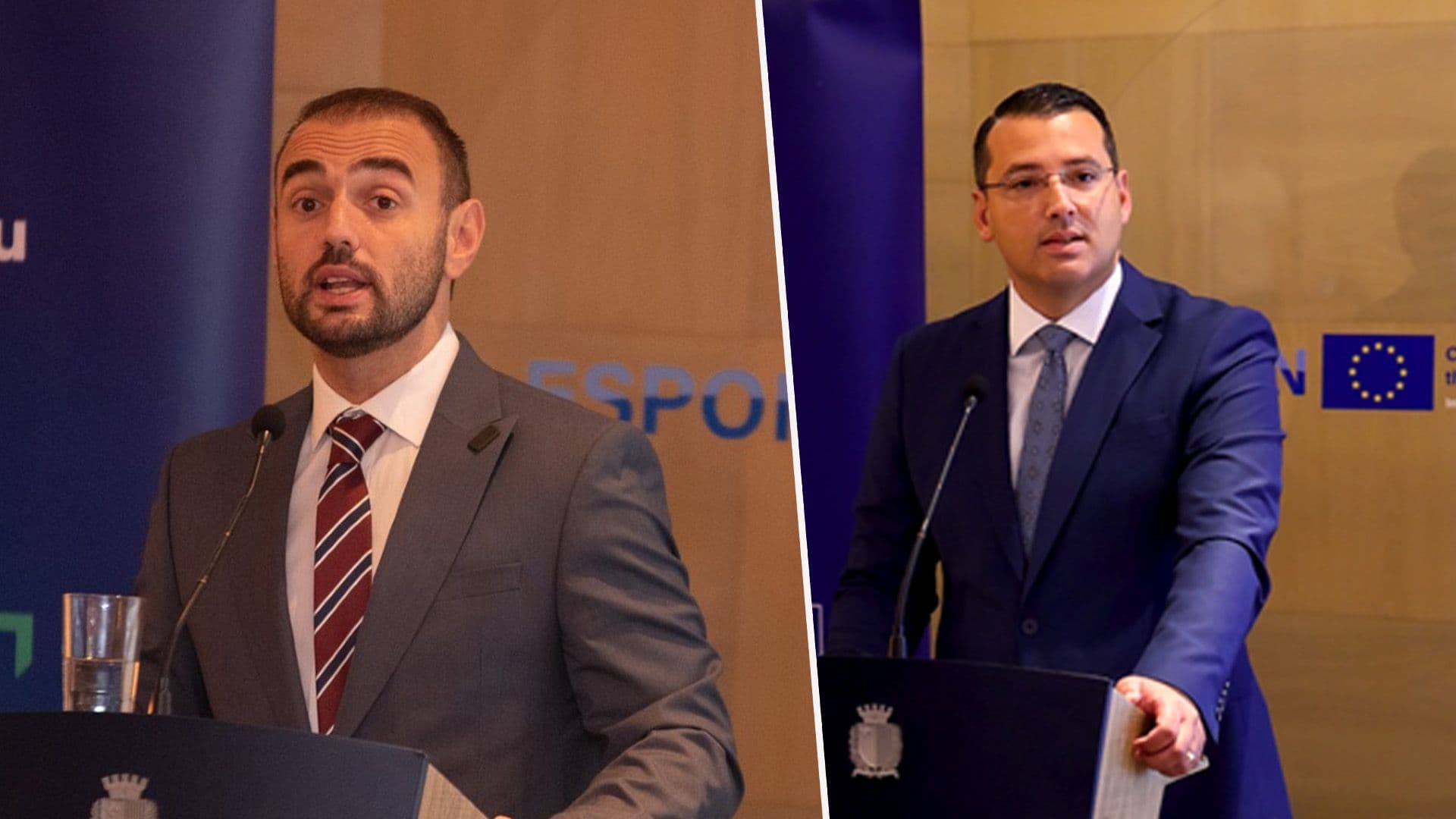
An international conference on the economic costs of insularity and European Union policy responses brought together policymakers, researchers, institutional representatives and economic stakeholders to discuss how the realities faced by island territories can be better reflected in future EU policies and investment frameworks.
The conference, titled “The Economic Costs of Insularity and EU Policy Responses”, was organised by the Ministry for European Funds, Social Dialogue and Consumer Protection and the Malta ESPON Contact Point. It contributed to discussions on the future of EU Cohesion Policy and followed the launch of the EU Strategy for Islands.
Addressing the conference, Minister for Infrastructure, Planning and Employment Jonathan Attard said that while Malta’s economic growth and continued investment in infrastructure and development demonstrate the country’s progress, the challenges linked to insularity remain.
Attard said that the European Commission is increasingly recognising the difficulties faced by island territories, but stressed that recognition must now lead to practical measures that provide meaningful support to countries facing these realities.
Throughout the event, participants examined the findings of the ESPON M-INSULAR study, which identified permanent structural challenges linked to island regions, including connectivity, access to markets, infrastructure, public services and economic scale.
Discussions focused on whether existing EU instruments provide enough flexibility to address these challenges or whether the specific circumstances of islands should be more systematically considered when designing and implementing European policies and funding programmes.
The conference included contributions from representatives of the European Commission, European Parliament, ESPON, Cambridge Econometrics, academia, the business community, the Planning Authority and public administrations from Malta, Gozo, Cyprus and Greece. Discussions also explored the role islands can play in Europe’s competitiveness, resilience, energy security and blue economy.
Minister for European Funds Keith Azzopardi Tanti said Malta’s island status creates structural challenges and costs that need to be better reflected in European policies and funding. He said that while recognising these challenges is important, this must now be followed by concrete action as the EU prepares its future policies beyond 2027.
Participants concluded that stronger evidence and a clearer understanding of the costs linked to insularity are needed to guide future investment decisions and ensure EU policies respond effectively to different territorial realities.
#MaltaDaily
