Church Bells and Battle Cries: Stories That Shaped the Villages
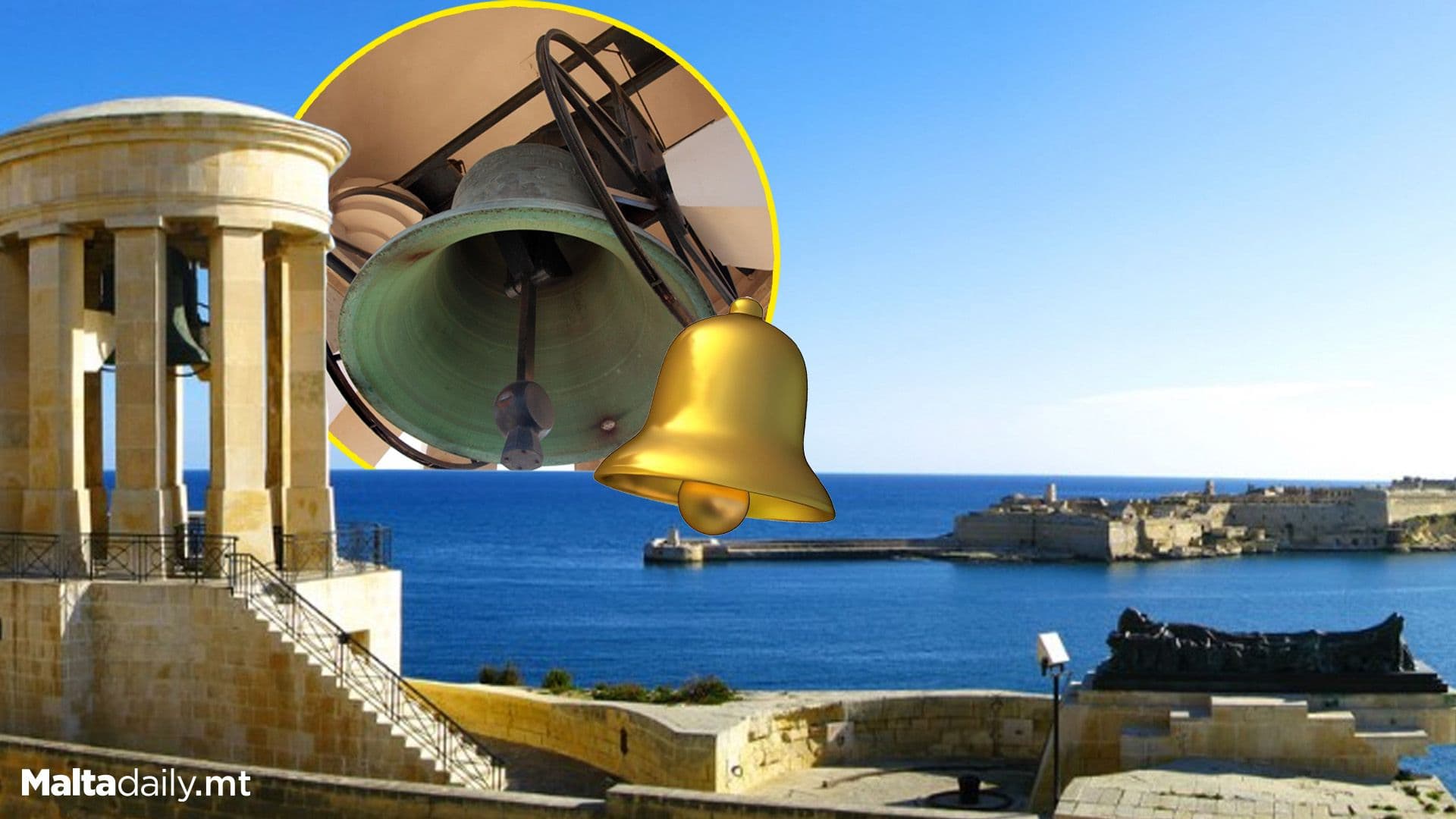
In Malta’s villages, the sound of church bells and the echoes of battle once guided daily life. Bells marked time, called communities together and became symbols of identity. At the same time, battles and defence shaped the way villages were built and remembered. Together they tell the story of Malta’s resilience and faith.
The Language of the Bells
For centuries, bells in Maltese churches were the main way to send messages across the countryside. They rang to mark the Angelus, to announce weddings or funerals and to warn of storms at sea. In feast week, bells filled the skies with joyful peals, letting every nearby village know that celebration was under way. Each parish developed its own unique rhythm, still recognised by older residents today.
Bells in Times of Danger
Bells were not only for worship and feasts. During raids by corsairs or attacks by the Ottoman fleet, bells rang urgently as warnings. They called villagers to take shelter or even to help defend the countryside. Along with the watchtowers that line the coast, these bells were part of Malta’s defence network.
Battle Cries of the Great Siege
The Great Siege of 1565 left a deep mark on Maltese villages. Ottoman troops camped near Marsa, while villages nearby were ransacked or abandoned. Stories of villagers fleeing, hiding in chapels and returning after the danger passed became part of Malta’s shared memory. Battle cries and church bells became symbols of survival.
Feast Bells and Identity
In modern Malta, bells remain central to village life through the annual festa. Each parish celebrates its patron saint with music, fireworks and pealing bells. The ringing begins at dawn and continues throughout the week, marking out the festa season as one of joy and community pride. Bells are not only sounds of religion, but also a cultural heartbeat connecting people to place and tradition.
Towers, Forts and Faith
The blending of bells and battle can still be seen in stone. Many parish churches stand close to defensive towers or fortifications, reminders that Maltese villages were shaped by both faith and the need to resist attack. The architecture itself tells a story of resilience where the sacred and the practical stood side by side.
#MaltaDaily
Photo sources: Peter Vanicsek