Can Malta Survive Without Foreign Workers? We Asked Prof. Stephanie Fabri
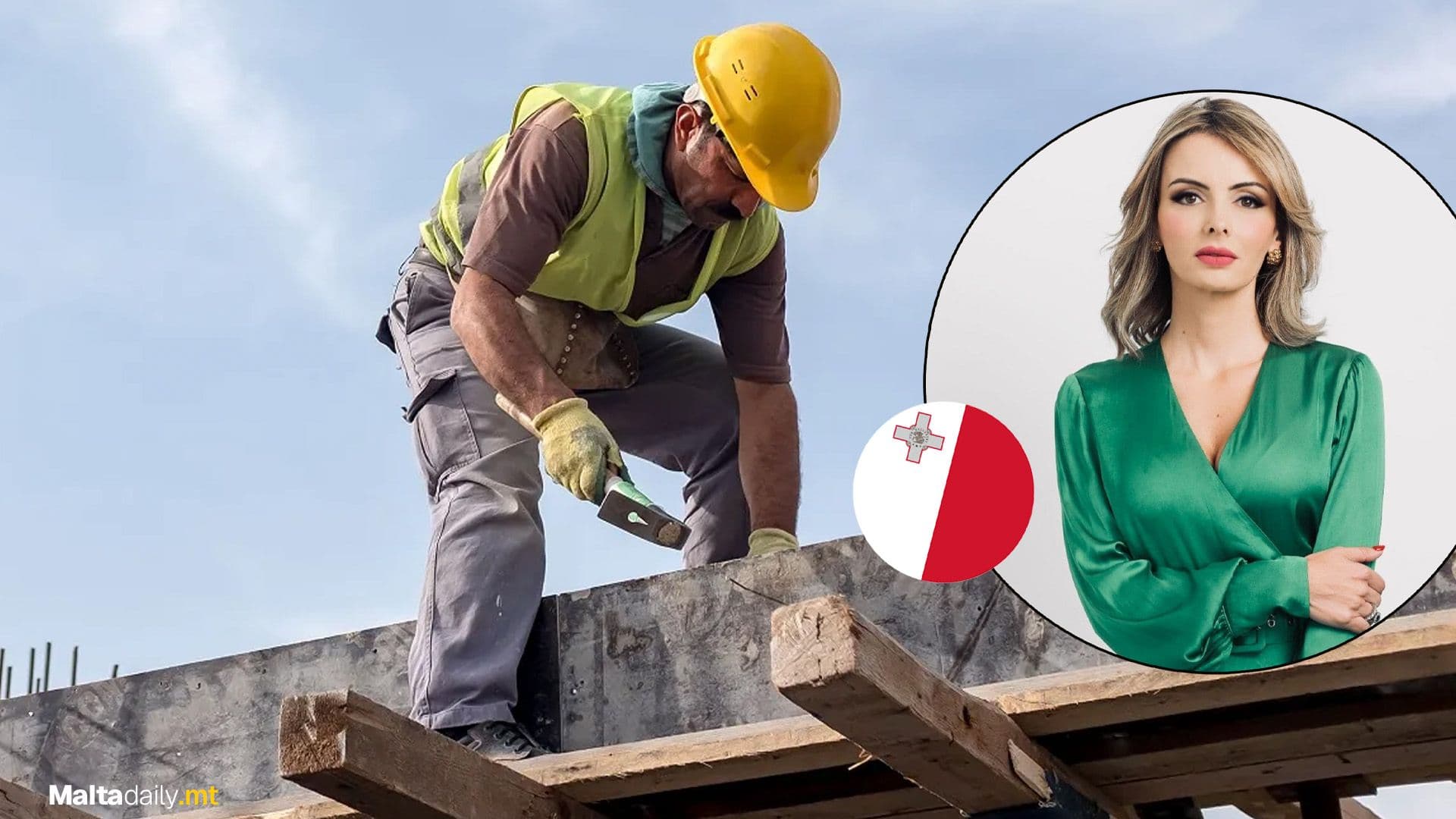
Malta’s economy has long depended on foreign labour, a reliance that continues to grow as sectors such as construction, healthcare, hospitality, and care services struggle to fill positions with local workers.
The increase in foreign workers has supported economic growth, but it also raises questions about productivity, planning, and long-term sustainability.
Malta Daily asked Professor Stephanie Fabri, economist and lecturer at the University of Malta, specialising in entrepreneurship, strategic management and public policy, to provide insight.
“Foreign labour has supported Malta’s growth by filling gaps where local workers are scarce,” she said. “But growth that depends solely on numbers rather than productivity carries risks. The real challenge is how we use these skills to increase the value and quality of our economy.”
Is this dependence a weakness, or can it be a strength, we asked.
“It can absolutely be a strength, if managed properly. Migrants bring energy, talent, and diversity to our workforce. But if inflows are unplanned, they expose weaknesses in productivity and planning. The goal isn’t to stop migration — it’s to manage it intelligently: know what skills we need, integrate workers effectively, and make sure every job adds real value.”
Professor Fabri emphasised that migration can be a strength if managed properly. Migrants bring talent, energy, and diversity, but unplanned inflows can expose weaknesses in productivity and infrastructure.
“The goal is not to stop migration, but to manage it intelligently. We need to understand the skills we require, integrate workers effectively, and ensure that every job contributes real value,” she explained.
Looking across Europe, she noted that migration is part of everyday economic life, with over four million people moving into the EU in 2023 alone. Countries that succeed link migration to skills demand, housing, transport, and education.
Professor Fabri said Malta must adopt a similar approach, combining tighter rules for employers with long-term planning. “Foreign workers are now part of Malta’s economic fabric. The question is whether we can make migration work better for everyone, balancing economic growth with social stability and wellbeing.”
#MaltaDaily