

Black Friday: How Did The Annual Shopping Phenomenon Begin?
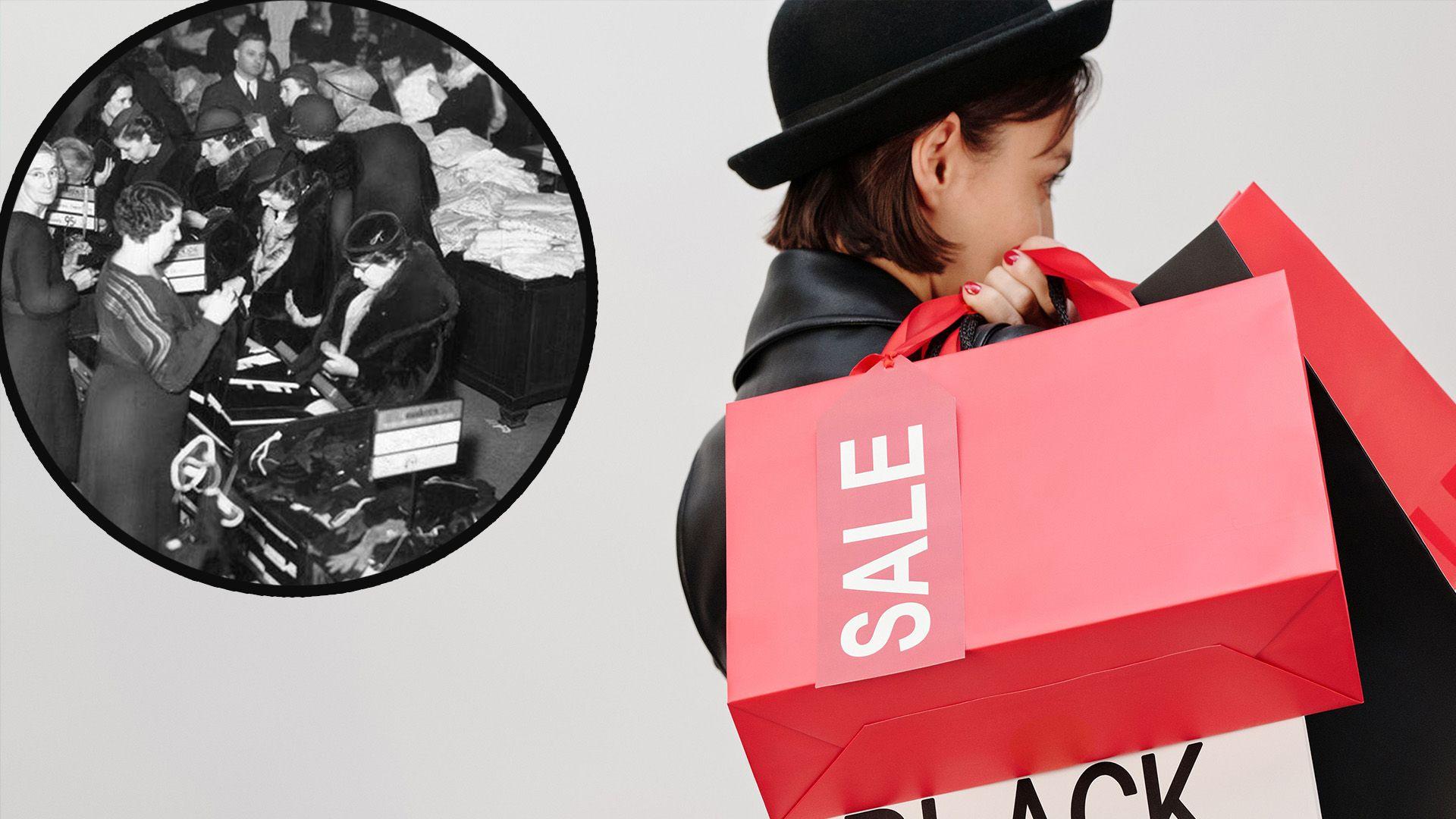
Today, Black Friday is associated with massive discounts, packed shops, long queues and shoppers rushing to get their hands on the best deals. But the origins of the annual shopping event go back much further than today's shopping frenzy.
The term became popular in Philadelphia, USA, during the 1950s and 1960s, when police officers began using it to describe the chaos that followed Thanksgiving. The day after the American holiday brought huge crowds into the city, with people travelling to shop, attend the annual Army-Navy football game and make the most of the long weekend. This resulted in heavy traffic, crowded streets and an increase in work for police officers.
Retailers eventually gave the term a more positive meaning, turning the day into a major shopping opportunity. Shops began offering special discounts and promotions to attract customers and encourage them to start their Christmas shopping early.
Another popular explanation emerged in the retail industry, where Black Friday was associated with businesses moving 'into the black', an accounting term used to describe turning a profit. This helped establish the more positive image of the shopping event.
Over the following decades, Black Friday expanded beyond the United States, gradually becoming an international shopping phenomenon. Today, it is observed in countries around the world, including Malta, with both physical shops and online retailers offering special promotions.
The event has also evolved with the rise of online shopping, with many retailers now launching their Black Friday deals days or even weeks before the actual date.
And while the meaning of Black Friday has changed considerably since its beginnings in Philadelphia, one thing remains the same: the hunt for a bargain!
Photo Source: New York Magazine, State Historical Society of Iowa
