Ancient Sea Voyages Kept Malta’s Mesolithic Communities Alive, Study Suggests
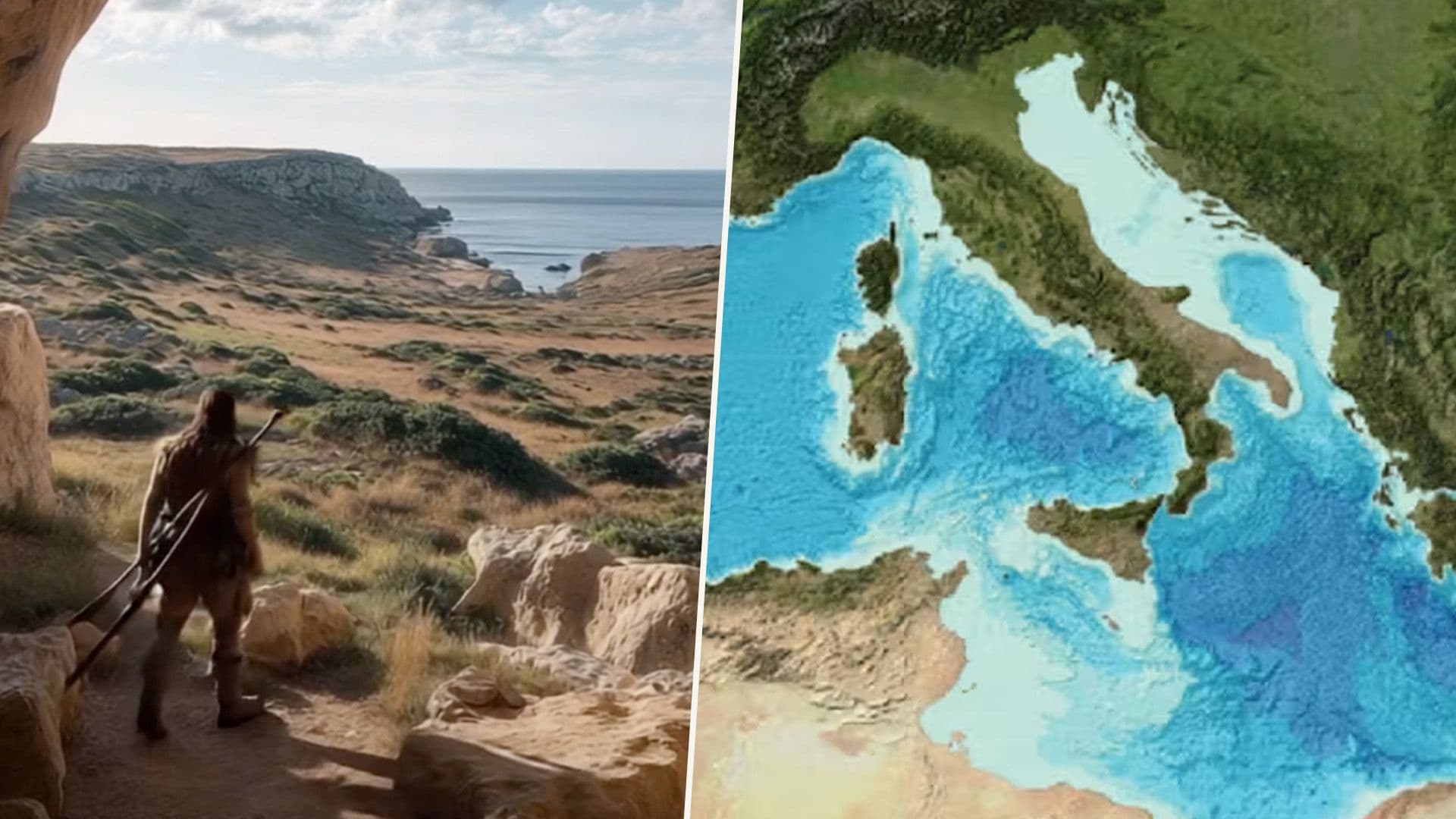
Maltese archaeologist Eleanor Scerri was part of an international research team behind a new study suggesting that Malta's earliest hunter-gatherers survived on the islands for around 1,000 years through repeated long-distance sea voyages and continued connections with overseas communities.
The study, titled Life on the edge: Mesolithic population size and viability on Malta, was published in PNAS Nexus and examined whether Malta's Mesolithic population could have survived in isolation or whether sustained links with other communities were required.
The findings build on previous research that pushed Malta's prehistoric timeline back by around 1,000 years into the Mesolithic period.
Earlier discoveries showed that hunter-gatherers undertook some of the longest sea crossings in the Mediterranean, and among the longest known worldwide, to reach the Maltese Islands.
In this latest research, the team modelled sea-level changes, land connectivity and environmental conditions to estimate the population sizes that Malta could have supported after becoming separated from Sicily around 14,000 years ago.
The study found that isolated Malta could have supported a maximum population of between 144 and 170 individuals, while more realistic estimates suggested an even smaller community.
The number of reproductive-age adults would have been far below the level needed to maintain a genetically viable population over the long term.
Researchers concluded that repeated overseas connections were essential for the survival of Malta's Mesolithic communities.
Regular sea voyages would have allowed new individuals and genetic diversity to enter the population, preventing the effects of isolation and possible collapse.
#MaltaDaily