“Across The Arab World There Are Thousands Of Churches”, Local Speaks On Need For Another Mosque In Malta
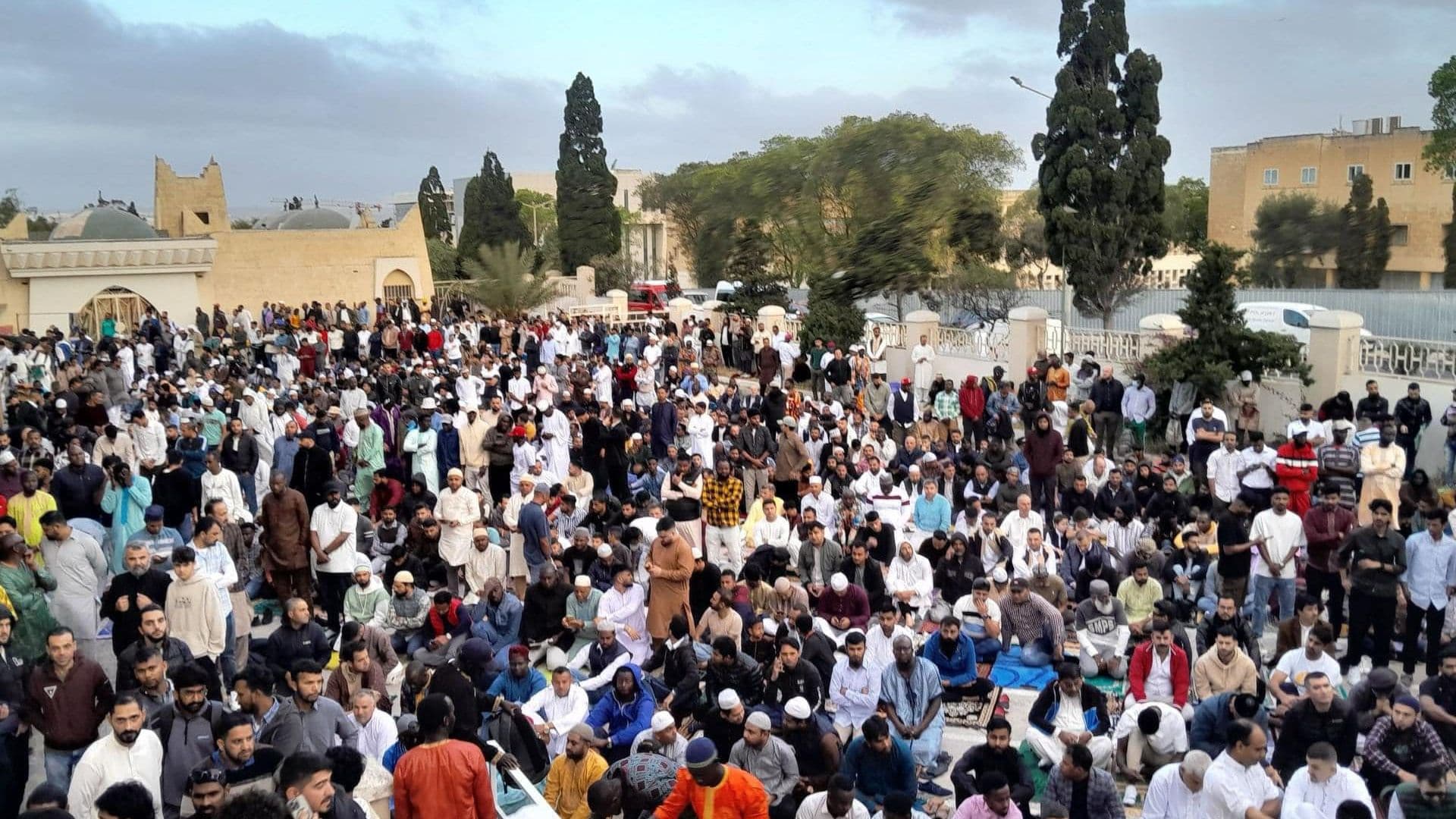
A local voice has triggered widespread online discussion after speaking out against what he described as rising anti-Muslim sentiment in Malta, calling for greater understanding, respect and balanced debate over the country’s religious landscape and the need for additional places of worship.
In a statement, Bashir Wakil said that being Maltese is not defined by religion, arguing that citizenship and national identity should not be tied exclusively to Christianity despite Malta’s strong historical and cultural traditions.
“Malta is proudly built on Christian values and traditions, but being Maltese is not determined by religion,” he said, adding that Maltese society includes Catholics, Orthodox Christians, Protestants, Muslims, Jews, atheists and others who all contribute to the country.
Wakil noted that Malta is home to an estimated 20,000 to 25,000 Muslims who are actively involved in key sectors such as healthcare, education, hospitality, construction and other industries, while also paying taxes and raising families.
He referred to ongoing concerns about overcrowding at the island’s only mosque in Paola, particularly during Friday prayers, where space constraints often lead to congestion.
His remarks come amid renewed public debate following a recently scrapped proposal for a new mosque project in Ħal Luqa, which had raised questions regarding planning, location suitability and wider infrastructure considerations.
Wakil stressed that the discussion should not be framed around opposition to religion, but rather around fair application of planning laws and equal rights.
He also challenged the idea that churches cannot exist in Arab countries, stating that there are thousands across the region and that Christian communities have lived there for nearly two millennia.
He concluded by urging respectful dialogue, warning that rejecting proposals solely because they involve a mosque amounts to prejudice rather than legitimate planning debate.