

A Recap Of Some Of Budget 2027’s Most Notable Measures
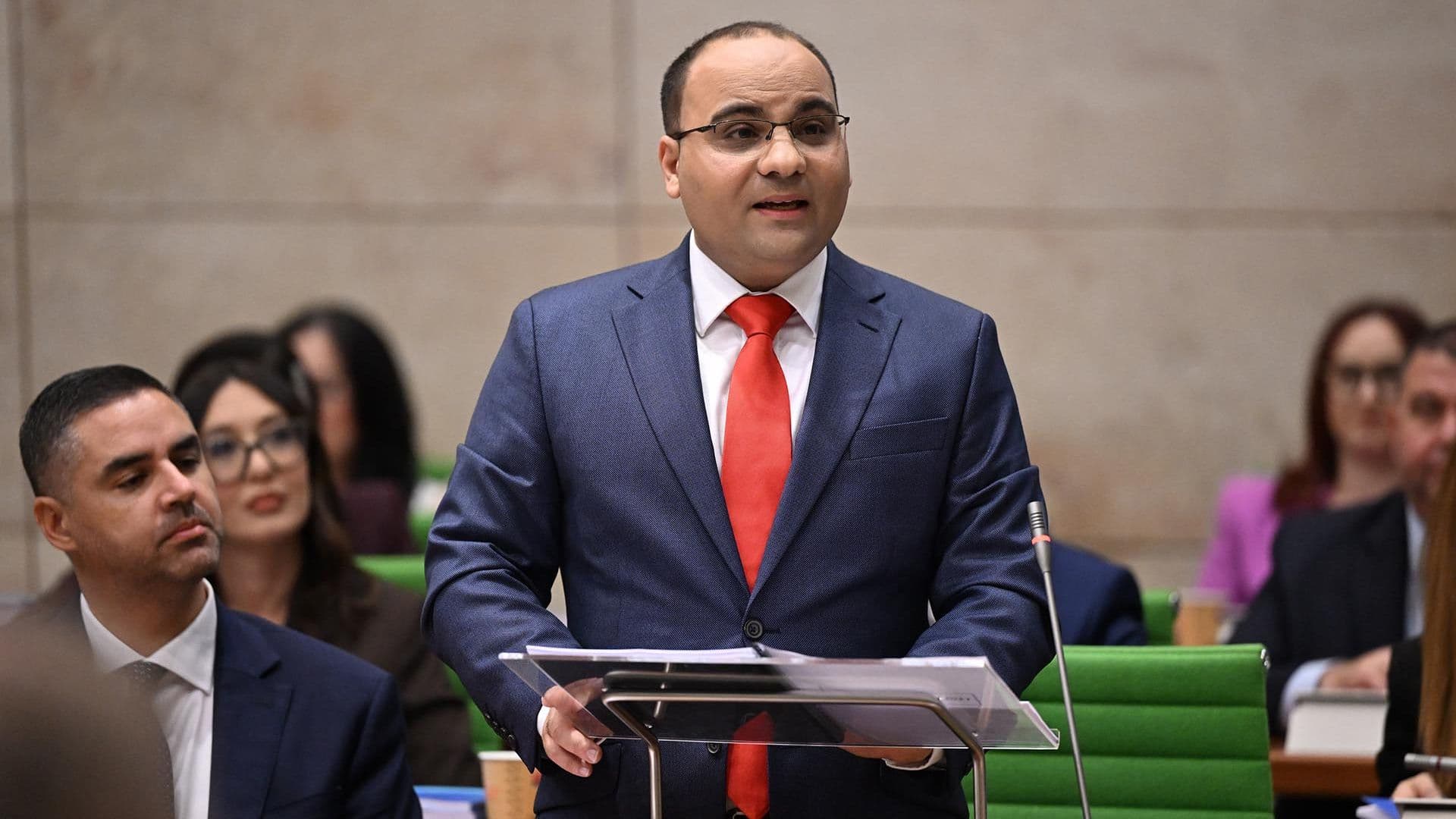
Finance Minister Clyde Caruana unveiled Budget 2027 in Parliament with a package of measures centred on supporting household incomes, investing in infrastructure and introducing new contributions aimed at easing pressure on public services.
Workers and pensioners will receive a Cost of Living Adjustment (COLA) of €6.41 per week, equivalent to around €333 annually. The additional COLA mechanism will also continue, with more than 100,000 low and middle income households receiving between €200 and €1,500 a year, depending on their circumstances. The national minimum wage will increase by €10.41 per week, including COLA.
Pensioners will receive a total weekly increase of €10 from January 2027, equivalent to €520 a year. The Government also announced a higher pensionable income threshold for around 15,000 pensioners born before 1962, further increases for more than 7,000 widows and widowers, and a rise in the tax-free pension income threshold to €37,624.
Workers, including the self-employed, part-time employees and pensioners who remain in employment, will receive a tax-free Super Bonus of up to €1,000 during the first quarter of 2027. Those who earned €12,000 or more in 2025 will receive the full amount, while lower earners will receive between €500 and €925 depending on their income.
Families also feature prominently in the Budget. Parents adopting children from abroad will receive up to €13,000 towards adoption expenses, while foster parents will become entitled to 10 additional working days of Government-funded leave when a child is placed in their care. The Government also announced that it will cover the cost of all necessary therapies for children with disabilities under the age of 18, with further details to be announced.
Several measures focus on reshaping Malta's labour market and reviewing benefits available to foreign nationals. The fee for new work permits for non-EU nationals will increase from €600 to €800, while a new annual €400 infrastructure contribution will apply to both new permits and renewals. Together, the two charges will bring the annual cost of a new work permit application to €1,200.
Most third-country nationals who do not hold long-term residence status will also lose eligibility for free public transport from January 2027. Free travel will remain available to Maltese citizens, resident EU citizens and long-term residents. Certain non-EU nationals will also face a new administrative driving licence fee of €996 annually, although several categories, including UK citizens, long-term residents and professional drivers, will be exempt. The Government said these measures are intended to ensure those benefiting from Malta's economy contribute towards the infrastructure and public services they use.
The tourism sector will also see significant changes. From 1 January 2027, tourists staying in hotels and other collective accommodation will pay an eco-contribution of €8 per night, capped at €64, while visitors staying in short-let properties will pay €10 per night up to a maximum of €80. Cruise passengers who disembark in Malta before returning to the same vessel will pay a new €10 environmental contribution. The revised eco-contribution rates are expected to generate around €182 million annually.
A separate €5 eco-contribution will also be introduced for tourists visiting Comino's Blue Lagoon through the existing online booking system, with the revenue intended to support environmental protection and visitor management.
The Budget also includes measures affecting recreational boat owners. Annual registration fees will increase for recreational vessels between 10 and 24 metres, while boats under 10 metres and professional fishermen will remain exempt. The Government expects the changes to generate around €3 million while partially offsetting fuel subsidies.
Infrastructure investment remains another major priority. The Government will invest €75 million in Malta's electricity network during 2027, continuing work on substations, new electricity cables and distribution centres. Projects include two new underwater electricity cables between Malta and Gozo, the second interconnector with Sicily, studies on a possible third interconnector and a new Malta-Gozo connection, as well as continued research into offshore wind generation and renewable energy imports.
Finally, Budget 2027 also introduced a new measure for sport. Elite athletes representing Malta at European and World Championships, together with their technical and medical support teams, will be entitled to 10 days of paid sports leave, allowing them to compete internationally without using their personal leave entitlement.
#MaltaDaily
