

5 Million Tonnes Of Clothing Are Discarded In The EU Every Year
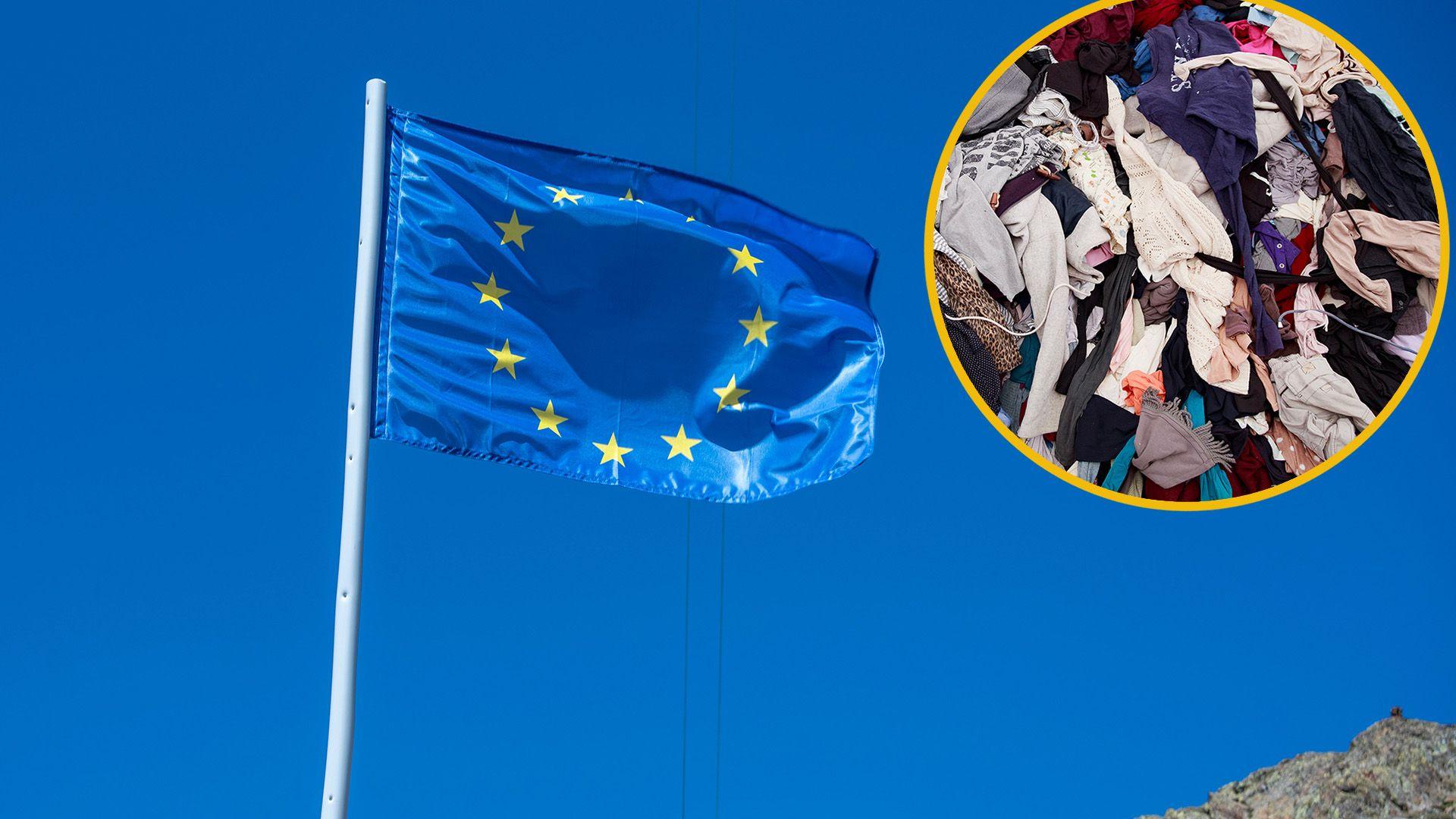
Around five million tonnes of clothing are discarded across the European Union every year, equivalent to approximately 12kg per person. The EU is now working towards making the way clothes are produced, bought and disposed of more sustainable by 2030.
Under its plans, textile products sold across the EU should become more durable, repairable and recyclable, while containing more recycled fibres and fewer harmful substances.
The changes aim to address the environmental impact of the fashion industry, from the production of garments to what happens when they are no longer wanted.
One of the priorities is encouraging the production of longer-lasting clothes that can be repaired rather than quickly discarded. Greater transparency about the materials used and the sustainability of products is also being encouraged, helping consumers make more informed choices.
The EU also wants to expand opportunities for recycling textiles and buying second-hand clothing, reducing the amount of clothing that ends up as waste.
Other priorities include tackling microplastic pollution caused by synthetic fabrics, reducing the destruction of unsold or returned goods, and limiting the amount of textile waste exported outside the EU.
These measures form part of wider efforts to move towards a more circular textile industry, in which products are kept in use for longer and fewer resources are wasted.
With millions of tonnes of clothing discarded every year, the EU's 2030 objectives aim to change both how the fashion industry operates and how consumers approach buying and disposing of clothes.
